
When you Google engagement ring cost, you may have come across a piece of advice that’s both classic and anxiety-inducing: the “three-month salary rule.” But what is this rule, where did it come from, and does it still make sense today? Let’s find out.

Navigate to:
What Exactly Is The 3-Month Salary Rule?
Simply put, the 3-month salary rule suggests that you should spend the equivalent of three months of your gross salary on an engagement ring. So, if you earn $5,000 a month, the rule dictates you should be spending around $15,000 on the ring.
For many, this figure can sound incredibly daunting, possibly leading to significant financial strain even before the wedding planning officially begins.
Origin of The 3-Month Rule
This rule of 3 month isn’t some ancient tradition. It’s largely a product of a brilliant, decades-long marketing campaign.
In the 1930s, diamond sales in the U.S. had plummeted due to the Great Depression. De Beers, the massive diamond conglomerate, decided to change that. They launched an iconic advertising campaign that linked diamonds with everlasting love and commitment.
Initially, their early campaigns suggested spending one month’s salary on a ring. By the 1980s, the “recommendation” had subtly shifted to two months. And eventually, the three-month benchmark became widely accepted, firmly cementing itself in the cultural consciousness.
So, while it feels like an unspoken social decree, the 3-month salary rule is, in essence, a very successful marketing ploy designed to boost diamond sales. It fails because it applies a one-size-fits-all formula without accounting for individual income, debt, living expenses, savings priorities, or personal values.
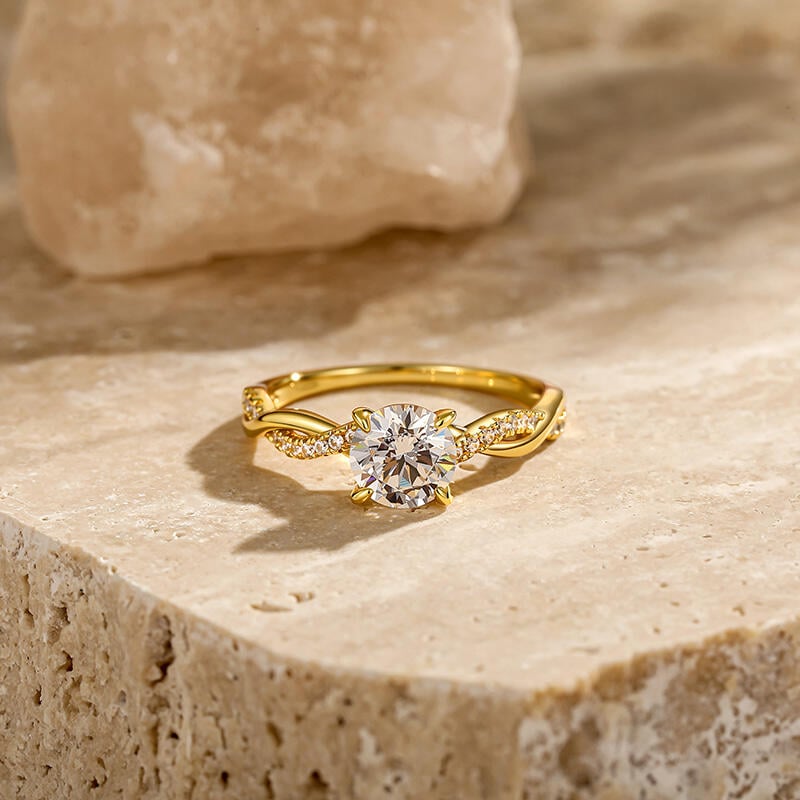
What Should You Spend?3 Steps to Determine Your Budget
According to The Knot, the national average cost of an engagement ring is $5,200. While this figure can serve as a helpful benchmark, how much you spend should ultimately be a personal decision for you and your partner — not one influenced by anyone else. The true essence of an engagement ring lies in its symbolism: a promise of love and commitment, not its price tag. Don’t let financial pressure overshadow the deeper meaning of your proposal. A more practical, personal, and meaningful approach to your engagement ring budget is always the right choice.
Talk to Your Partner
Have an open conversation with your partner. Discussing finances and expectations is a vital part of any healthy relationship, and it’s best to start before the proposal. Talking early about what’s important to both of you, financially and symbolically, can help avoid compromises on the ring choice later and prevent any potential disappointment.
Assess Your Current Financial Situation
Look at your savings, income, debts, and other financial goals to determine how much you can comfortably afford to spend without going into significant debt or jeopardizing your overall financial health.
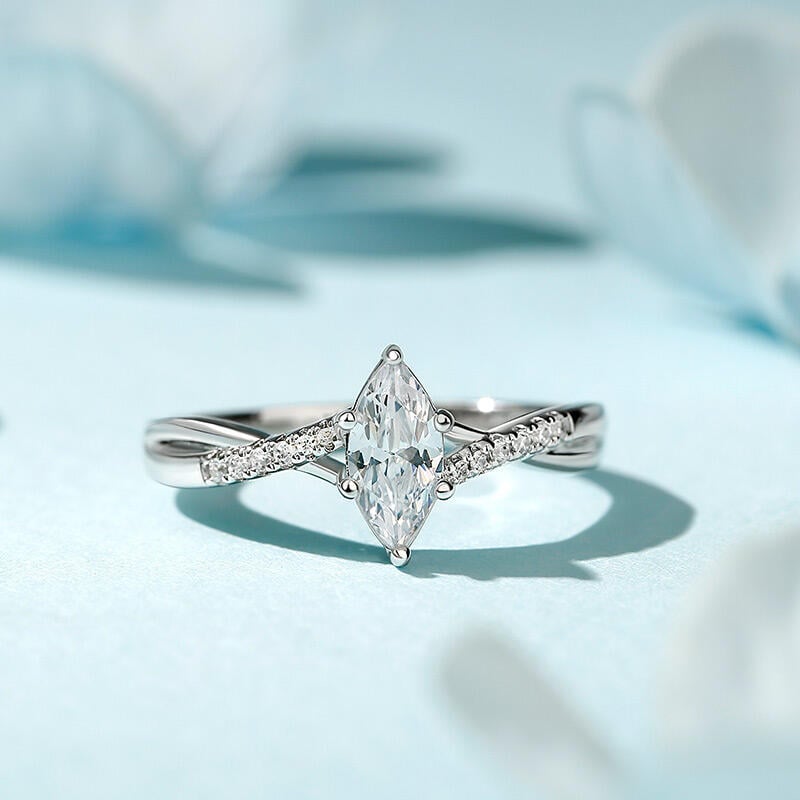
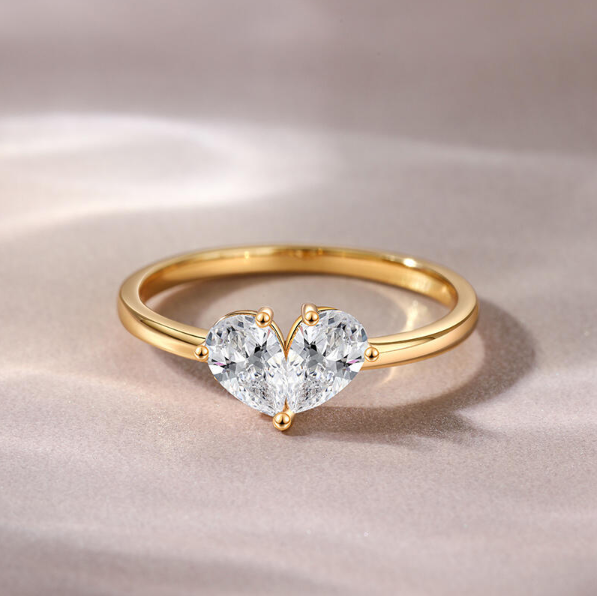
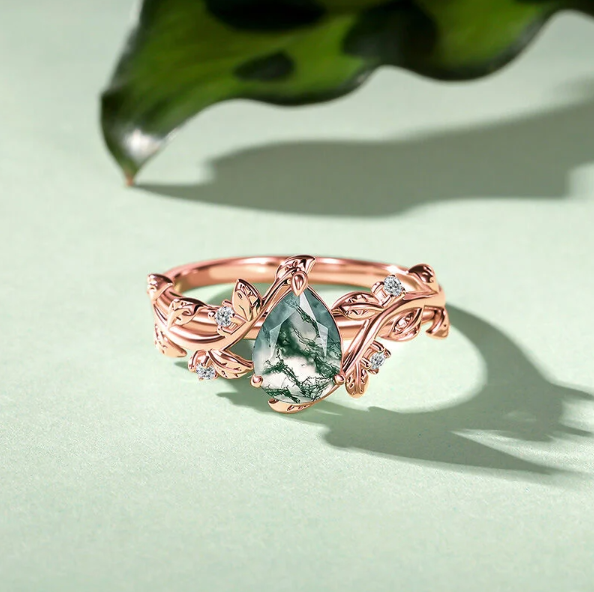
Consider Your Future Goals / Full Wedding Journey
Are you saving for a down payment on a house? Hoping to start a family soon? If you and your partner have discussed these goals, your engagement ring budget should align with them. Remember, a wedding journey involves many costs—from the bachelor and bachelorette parties to the wedding rings, attire, ceremony, and honeymoon. It all adds up.
How to Find the Ring Within Your Budget
Once you’ve set your budget, you can start exploring your options without financial stress.
Choose Your Cs
After discussing preferences with your partner, focus on the four Cs—carat weight, cut, color, and clarity—that matter most to both of you. Prioritizing these elements helps you find the best value within your budget.
Consider Diamond Alternatives
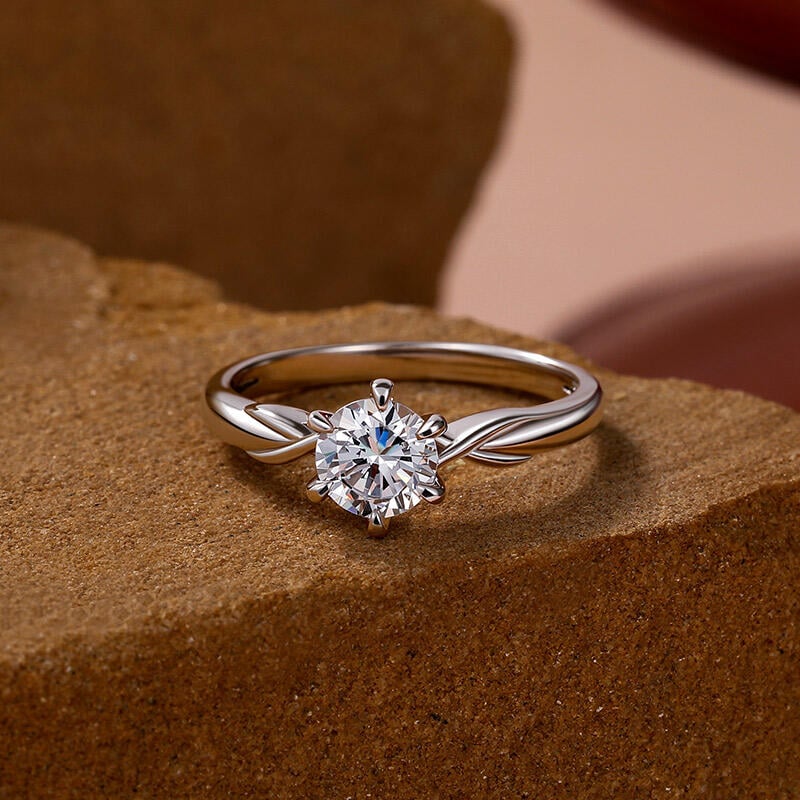
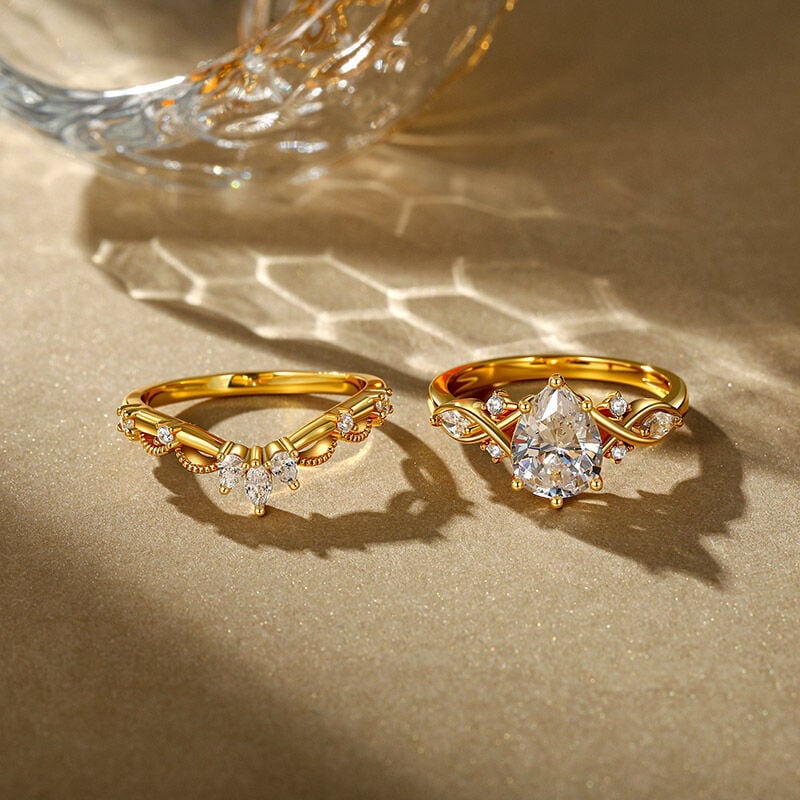
If you love the look of a diamond but want to stretch your budget, lab-grown diamond engagement rings are an excellent choice. They offer the same chemical and physical properties as natural diamonds at a significantly lower price point.— meaning you can often get a larger or higher-quality stone for the same money.
For even more savings and unique beauty, consider moissanite. It has even more fire (brilliance) than diamond and ranks 9.25 on the Mohs hardness scale, making it durable enough for everyday wear.
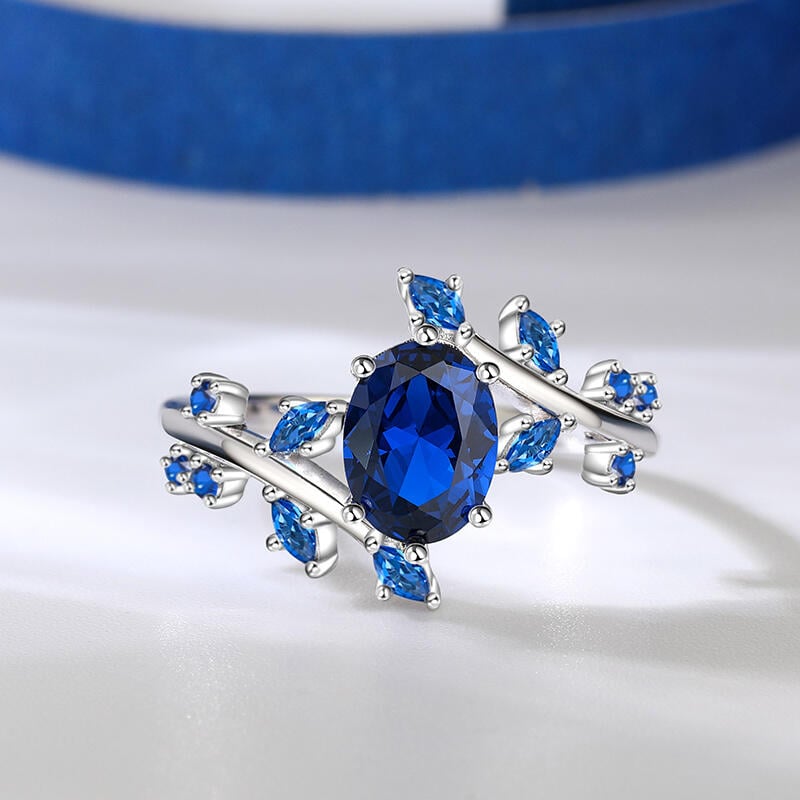
Alternatively, colored gemstones like sapphires or emeralds can add a personal pop of color and create a truly distinctive engagement ring.
Make It Custom
For a one-of-a-kind piece, consider going the custom route. You could repurpose a family heirloom into a new setting, choose a gemstone that holds personal meaning—like your partner’s birthstone—or add a unique engraving to make the ring truly yours.
Conclusion
The 3-month salary rule is a marketing trick, designed more for corporate profit than for promoting healthy financial starts to marriage. How much you spend on a ring is a personal choice, because love isn’t measured by a price tag. It’s measured in shared dreams, mutual respect, and unwavering support. The best engagement ring reflects your partner’s style and your shared values—without derailing your financial future together.
More Jeulia Post: