
Gold plated jewelry gives you the warm glow of real gold at an accessible price. Yet before buying, you may still wonder what gold plated jewelry actually is, how it compares to solid gold, whether it tarnishes, and how to care for it. In this post, we’ll break down everything you need to know to help you make a more informed choice.
What Is Gold Plated Jewelry?
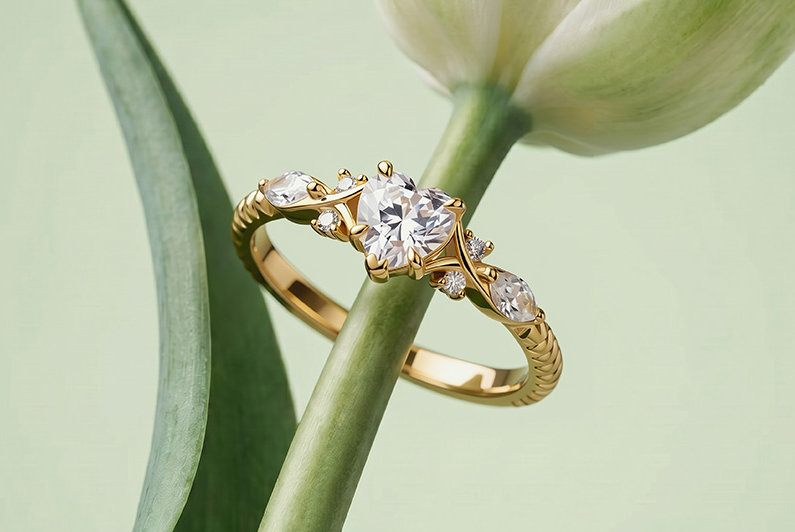
In simple terms, gold plated jewelry features a base metal—commonly 925 sterling silver, brass, copper, or stainless steel—finished with a layer of real gold on the surface. That outer layer gives the piece its recognizable warm gold tone and sheen, while the underlying metal forms its core structure, durability, and weight.
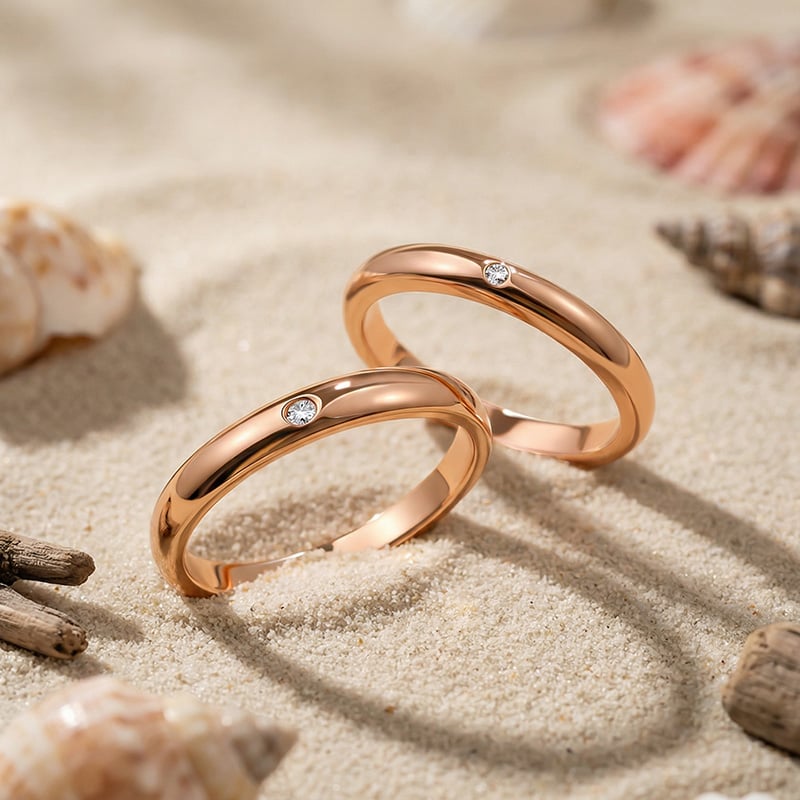
Because pieces can vary in base material, gold tone (such as classic yellow gold hues or softer rose gold tones), and surface finish, reading product details carefully when you shop—whether for everyday gold plated necklaces, earrings, or a statement gold plated ring helps you know exactly what you are getting—especially if you have sensitive skin or are choosing a gift. A 925 sterling silver base, in particular, is widely regarded as a higher-end option for its refined feel and skin-friendly comfort.
Gold Plated vs. Solid Gold: What Is the Difference?
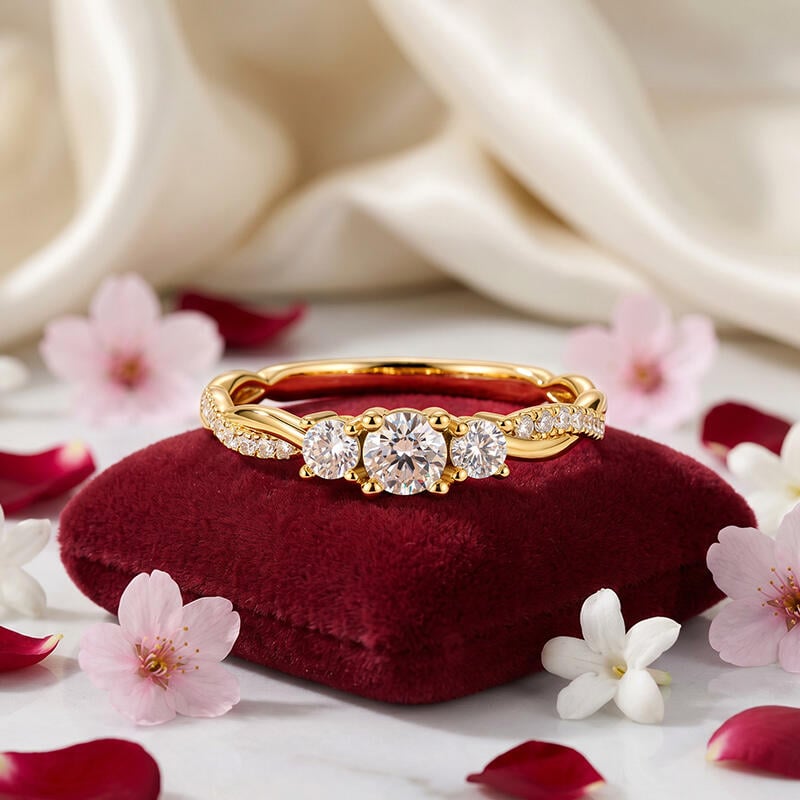
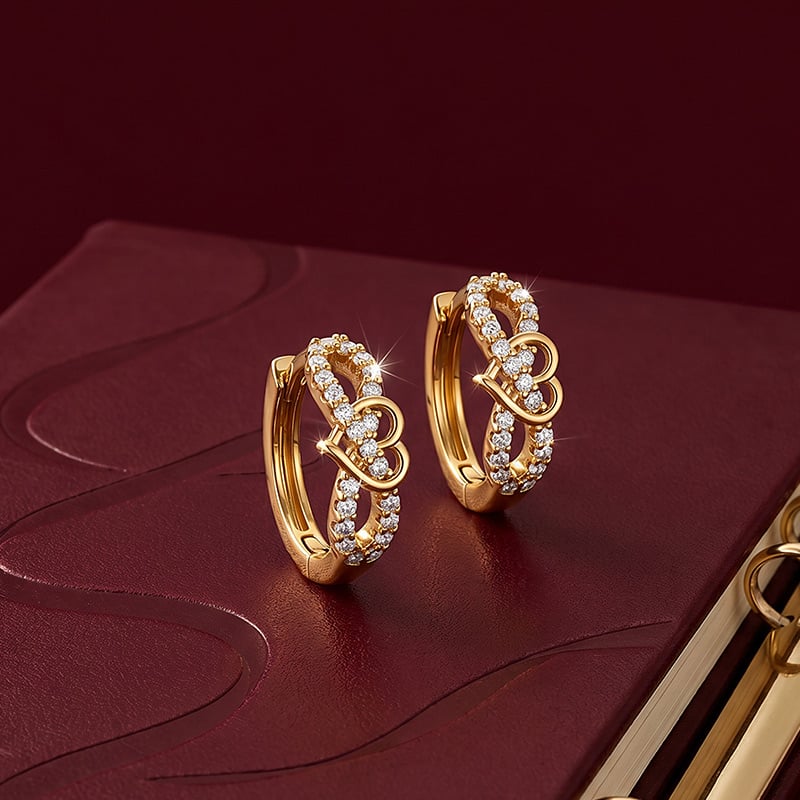
While both options deliver the classic warmth of gold, the key difference lies in gold content, longevity, and price:
- Gold Composition: Solid gold (such as 10K, 14K, or 18K gold) is made of a gold alloy (pure gold mixed with other metals for durability) all the way through, whereas gold plated jewelry has a real gold layer applied over a base metal like 925 sterling silver or brass.
- Price & Style Flexibility: Because it uses less gold, gold plated jewelry is significantly more accessible—making it easy to experiment with seasonal trends, layered gold plated necklaces, or stackable gold plated rings without a major investment.
- Everyday Wear & Longevity: Solid gold is built for decades of continuous wear without wearing down to a different metal underneath. Gold plated pieces, on the other hand, offer the same rich visual appeal for everyday styling and special occasions, though the surface layer can gradually wear over time depending on how often you wear and care for them.
In short, if you want a lifetime heirloom you never take off, solid gold is the traditional choice. If you want authentic golden shine, versatile designs, and budget-friendly room to build your collection, gold plated jewelry is hard to beat.
Note: 24K gold is also solid gold (99.9% pure gold), but it is too soft for everyday jewelry and bends or scratches easily. That is why jewelers blend pure gold with other metals—for example, 18K gold means 75% pure gold mixed with 25% strengthening metals (while 14K gold is 58.3% pure gold)—to make pieces durable enough for regular wear.
Does Gold-Plated Jewelry Tarnish?
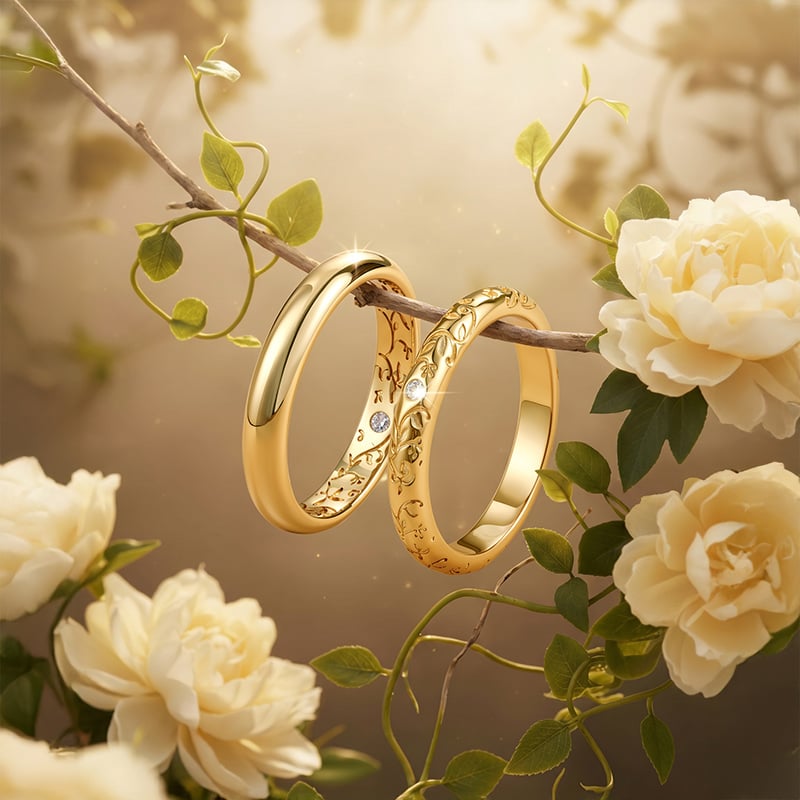
The answer is yes. Pure gold itself does not tarnish, but the gold layer on plated jewelry is relatively thin. Over months or years of daily friction, exposure to moisture, sweat, lotions, and perfumes can gradually wear down that gold layer and allow the underlying base metal to oxidize—leading to dullness or discoloration.
How quickly this happens depends largely on plating quality, the base metal underneath, and how you wear and care for the piece:
- Plating thickness & craftsmanship: Thicker, well-bonded gold plating holds its warm shine significantly longer than an ultra-thin flash plating.
- Base metal choice: Pieces crafted over a 925 sterling silver base tend to age more gracefully and feel gentler on sensitive skin than inexpensive alloys.
- Daily habits: Gold plated rings and gold plated bracelets naturally experience more friction and water exposure than necklaces or earrings, which means their plating may wear faster if worn nonstop.
The good news? With a few simple care habits, you can dramatically slow down wear and keep your gold plated pieces looking bright for much longer.
How to Care for Gold-Plated Jewelry?
- Put jewelry on last: Apply lotions, perfumes, oils, and hair sprays first, and give them time to dry before fastening a gold plated necklace clasps or sliding on a gold plated ring.
- Take it off during high-friction or wet activities: Remove pieces before workouts, swimming, cleaning, or heavy chores to reduce moisture exposure, scratches, and wear on delicate settings.
- Wipe gently after wearing: A quick pass with a soft, dry cloth helps clear away skin oils and everyday residue.
- Store pieces thoughtfully: Keep items separated in a soft pouch or lined jewelry box so edges and stones do not rub against one another.
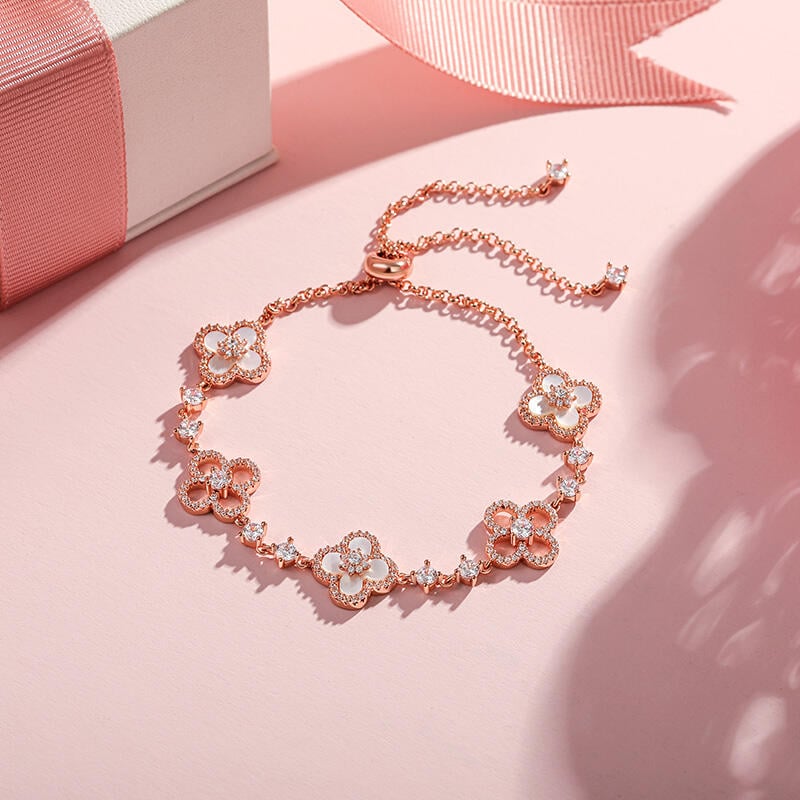
Making the Most of Your Gold-Plated Jewelry
Gold plated jewelry offers effortless warmth when paired with realistic expectations and a little everyday care. Whether you are building a versatile capsule collection, picking up a meaningful gift, or adding a subtle golden accent to your rotation, knowing what to look for helps every piece feel more intentional—and makes styling your favorites all the more rewarding.
More Jeulia Post: