
Your engagement ring may be the star of the show, but your wedding band is the everlasting co-star. Choosing a wedding band is one of the most exciting parts of the wedding planning process—it’s the physical symbol of your commitment that you’ll wear every single day for the rest of your life.
Whether you want something that perfectly mirrors your engagement ring or a piece that stands out on its own, the options are endless. To help you narrow down the search, we’ve rounded up the most popular styles of diamond wedding bands trending right now.
The Classic Pave Wedding Band
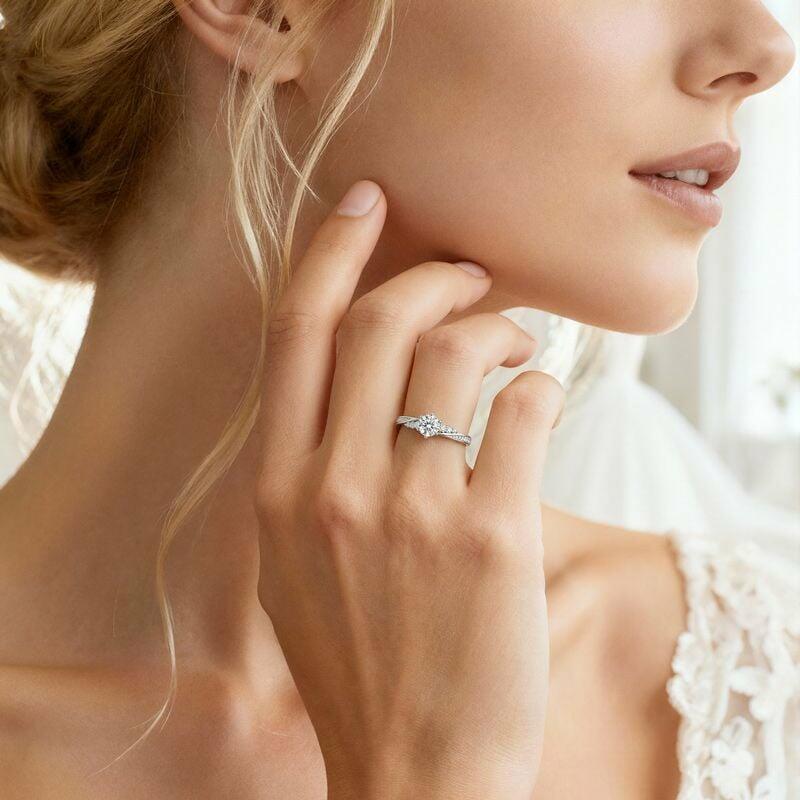
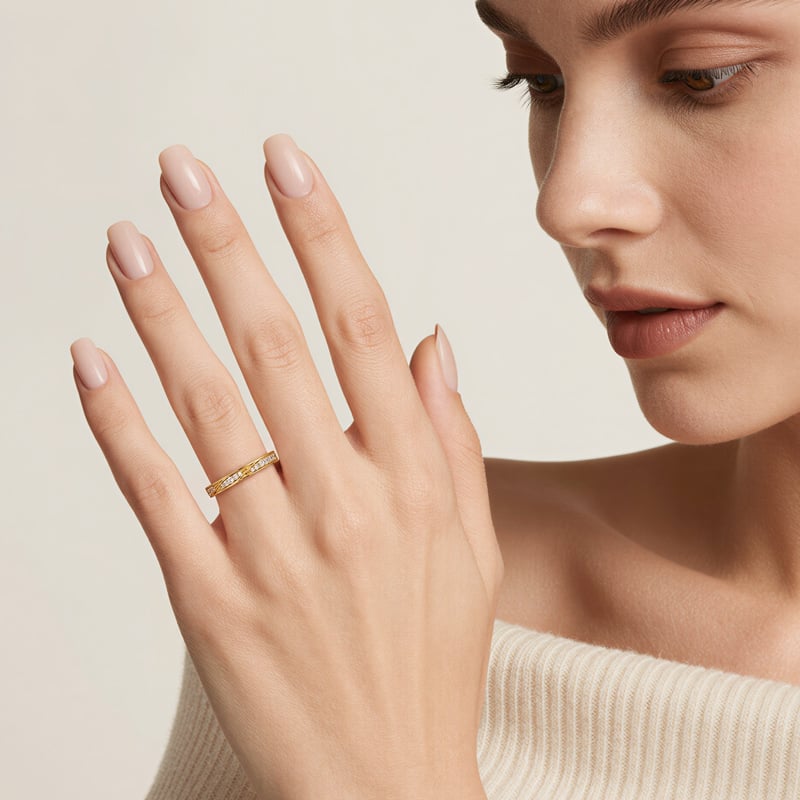
The pavé wedding band is, and will likely always be, the reigning champion of wedding bands. The word “pavé” comes from the French word for “pavement,” referring to how the small diamonds are set closely together, making the band look like it’s paved with light.
Why it’s popular: It adds a touch of subtle sparkle without overpowering your engagement ring. It’s timeless, elegant, and fits perfectly with almost any setting style.
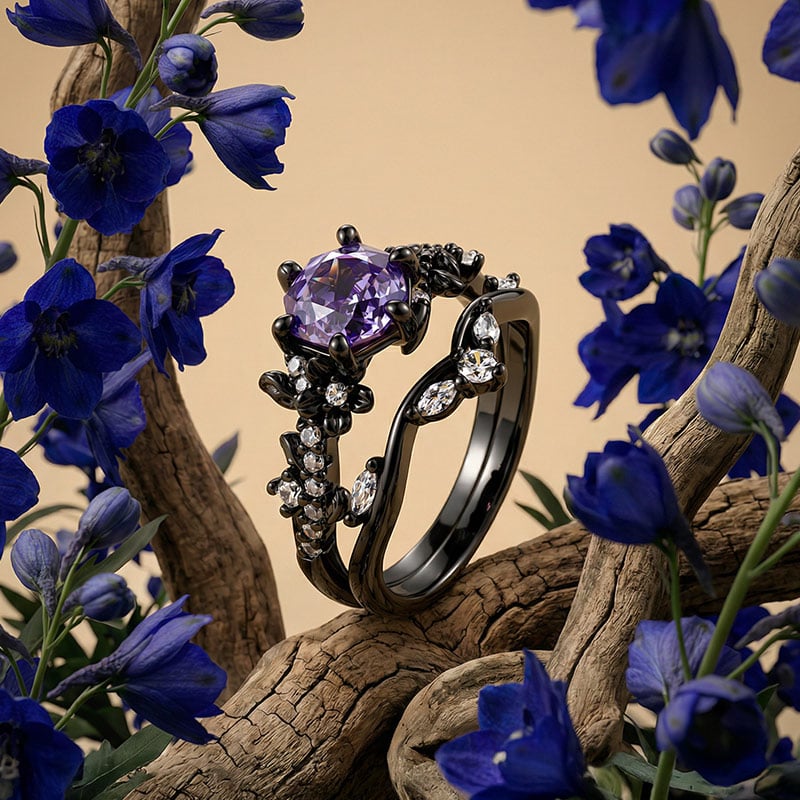
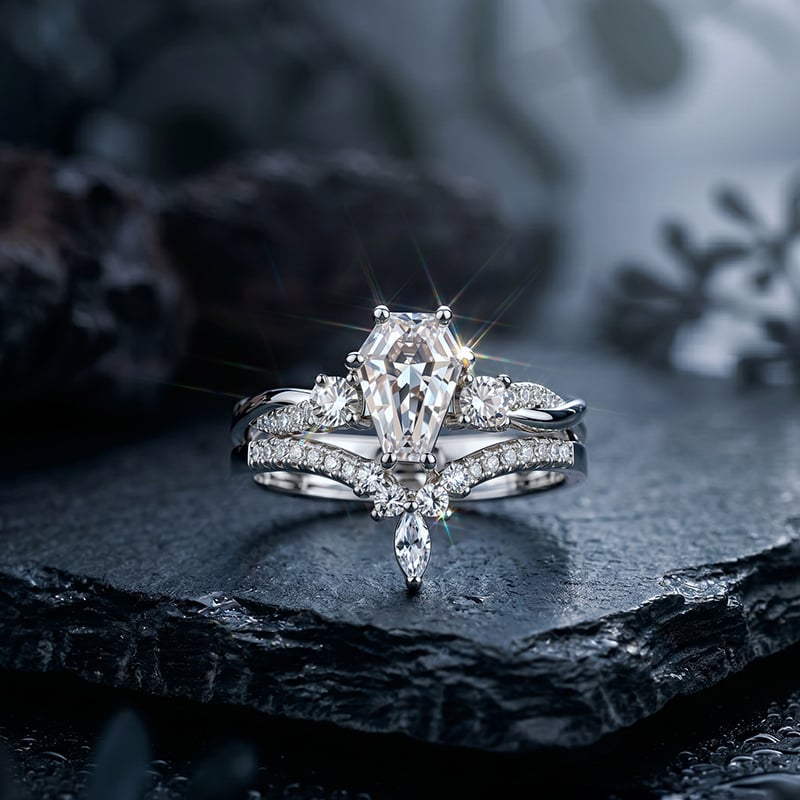
If you want your diamonds to pop, the shared prong style is a fantastic choice. In this setting, two diamonds share a single prong, which reduces the amount of metal visible on the band.
Why it’s popular: Because there is less metal between the stones, more of the diamond’s surface is exposed to light. This makes the band look exceptionally bright and sparkly. It has a slightly more modern, “diamond-heavy” look than a traditional pavé.
The Channel Set Band
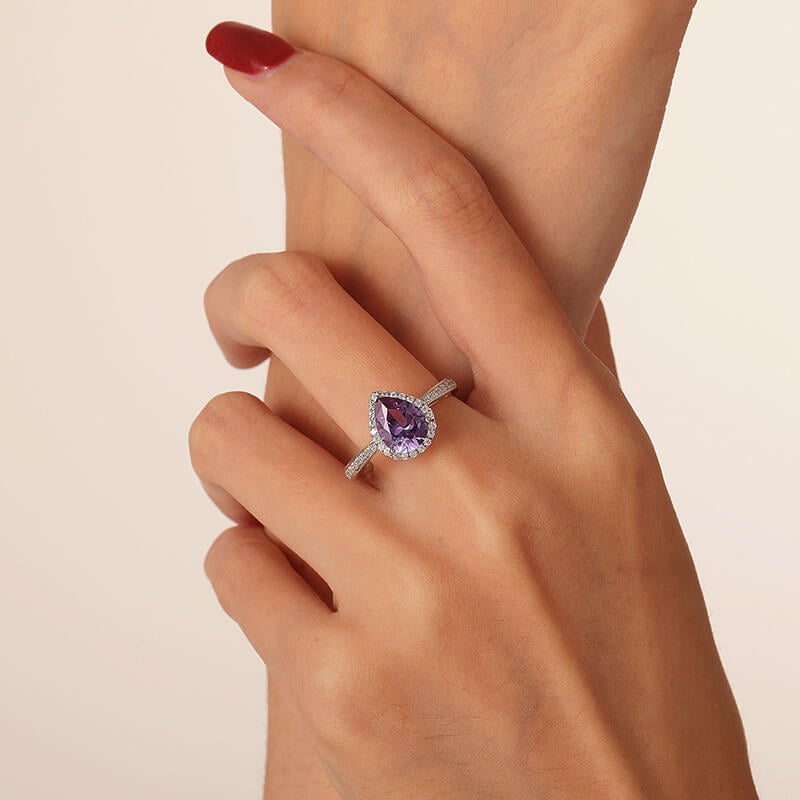
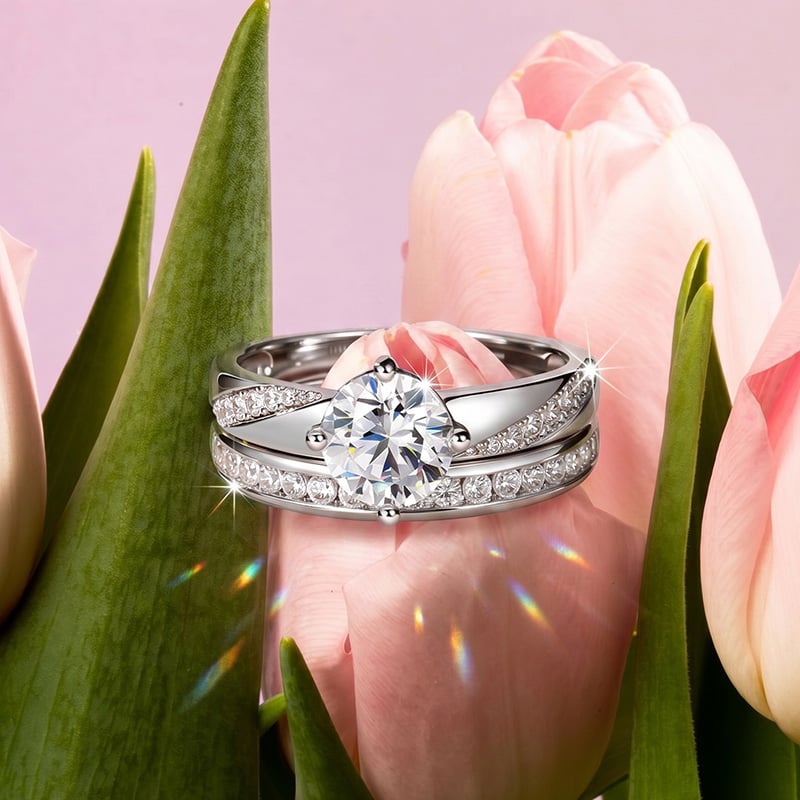
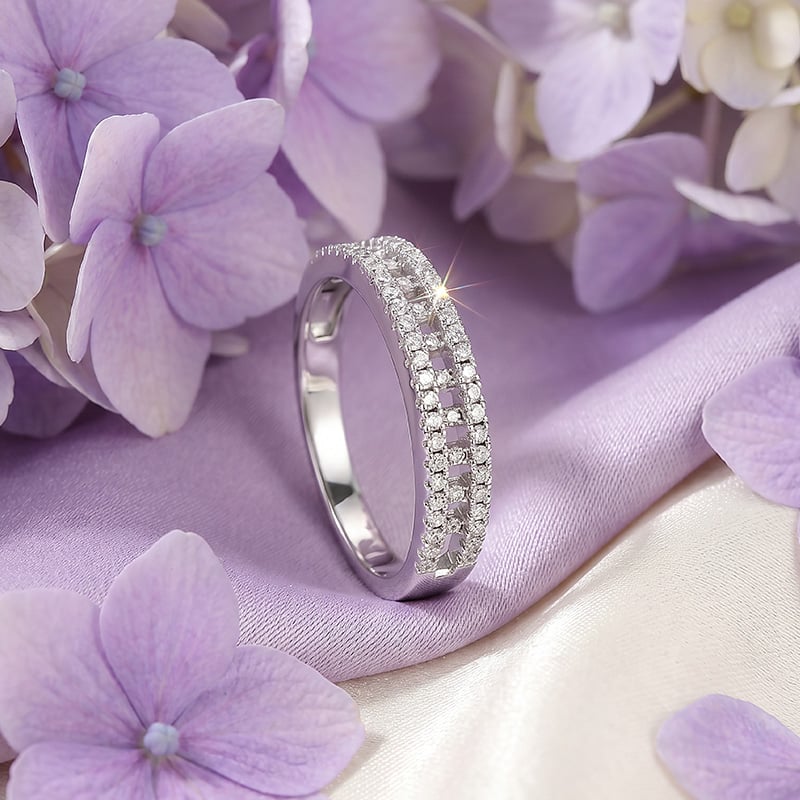
A channel set band features a row of diamonds suspended between two metal walls (the “channels”). Unlike pavé or prong settings, the diamonds don’t have prongs that can catch on clothing or hair.
Why it’s popular: It’s the ultimate choice for the bride with an active lifestyle. Because the diamonds are protected by the metal walls, this style is incredibly durable and snag-free. It offers a sleek, clean, and sophisticated aesthetic.
The Eternity Band
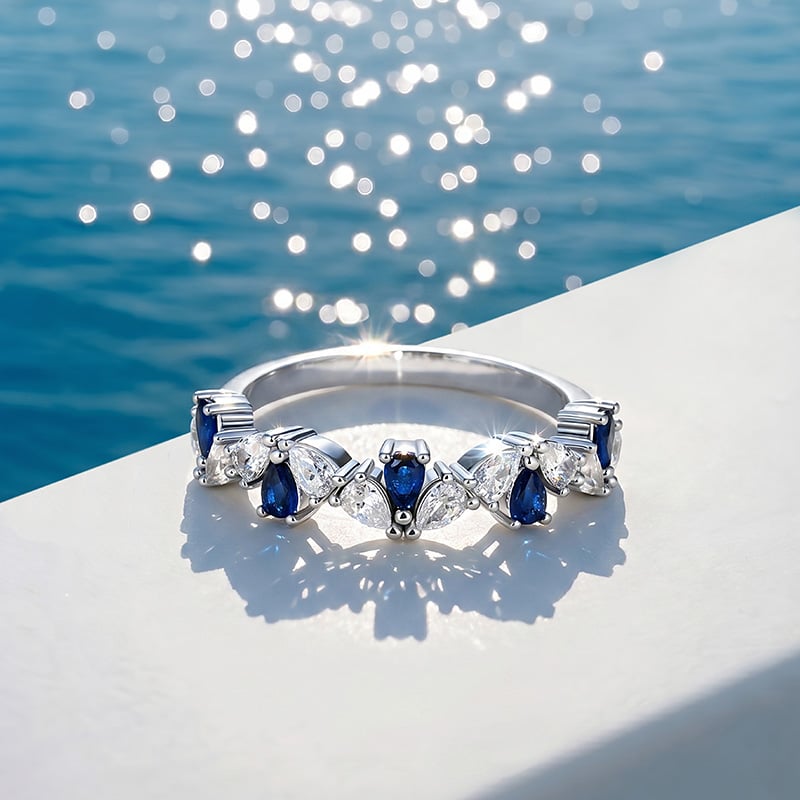
An eternity band features a continuous circle of diamonds around the entire circumference of the ring. It is the ultimate symbol of “forever.”
Why it’s popular: It’s pure luxury. No matter how the ring twists or turns on your finger, you’ll always see diamonds. It makes a bold statement when worn solo and adds an incredible amount of glamour when stacked with an engagement ring.
The Vintage-Inspired Milgrain Band
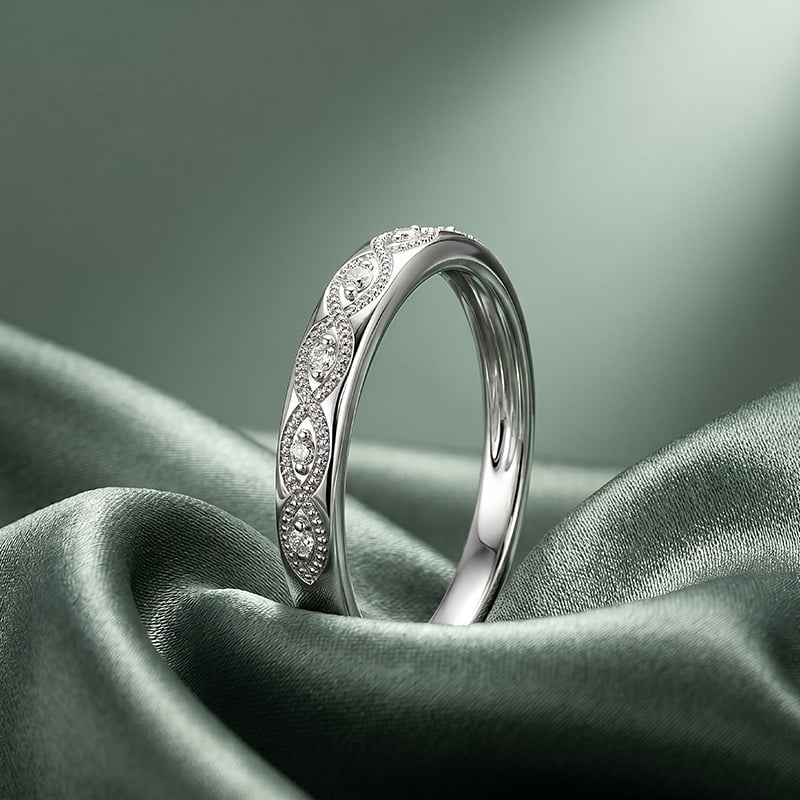
Looking for something with a bit of history and character? Milgrain refers to a delicate, beaded metal edge that frames the diamonds.
Why it’s popular: It provides an antique, heirloom feel. If your engagement ring has a vintage vibe or an intricate setting, a milgrain band will complement it perfectly, creating a cohesive, romantic look.
The “Curved” or Contour Band
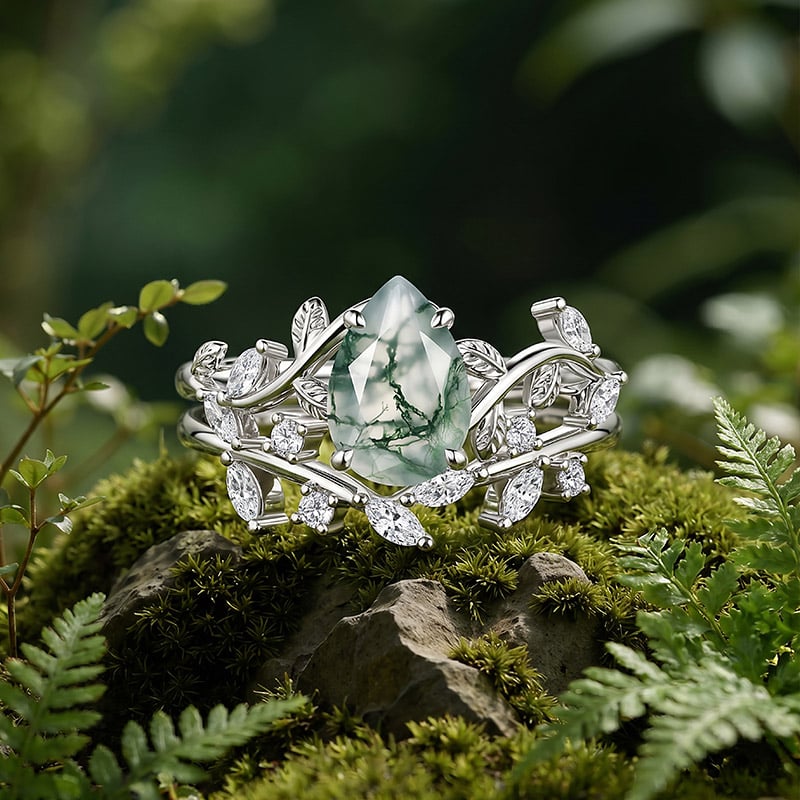
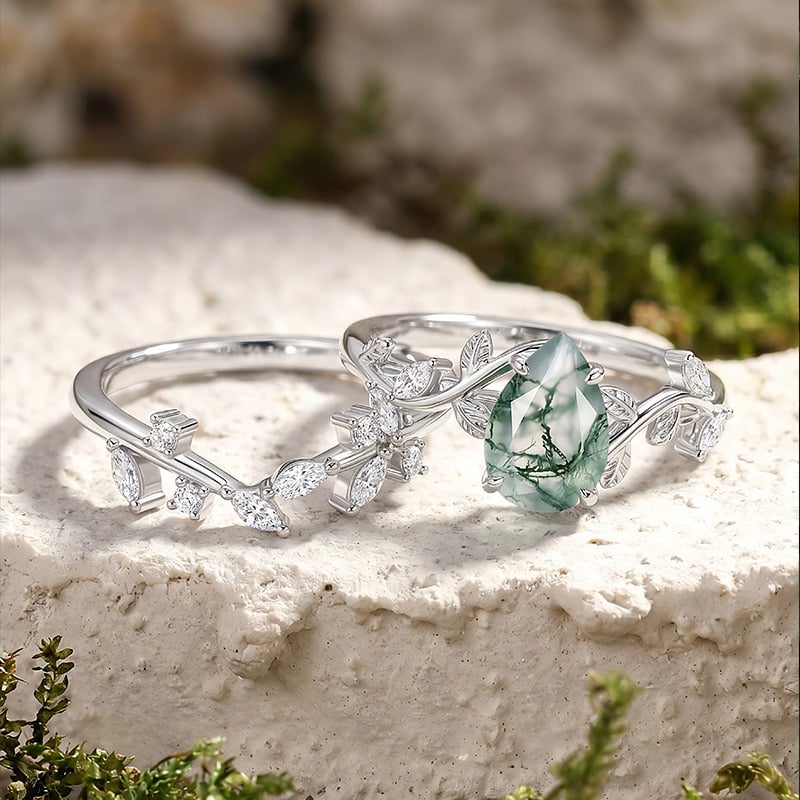
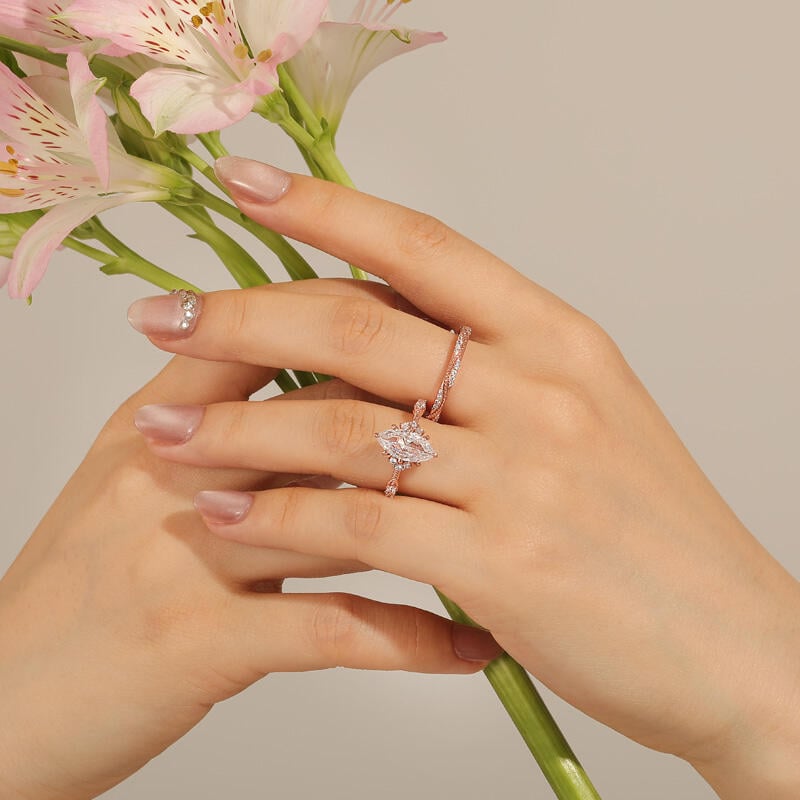
More brides than ever are opting for engagement rings with unique shapes—think pear, marquise, or oval stones with halos. A standard straight band often leaves an awkward gap between the two rings. Enter the curved or “nesting” band.
Why it’s popular: These bands are custom-designed to contour around the shape of your specific stone. It turns your wedding set into one cohesive piece of art.
What are the most popular styles of diamond wedding Band?
When you’re ready to start shopping, keep these three tips in mind:
Consider Your Lifestyle: If you work with your hands or are constantly on the go, a channel set or lower-profile band might be more practical than a high-prong setting.
Stacking Potential: Ask yourself: Do I want to wear this with my engagement ring exclusively, or will I want to wear it on its own on days when I don’t want to wear my big diamond?
The “Flush” Factor: Do you want your bands to sit perfectly flush against each other, or do you like the look of a slight gap? If you want them flush, you may need a curved band or a ring with a high enough setting to allow another band to slide underneath.
Final Thoughts At the end of the day, your wedding band should reflect you. Whether you love the minimalist charm of a thin pavé or the high-wattage shine of a full eternity band, the best choice is the one that makes you smile every time you look down at your hand.