
When choosing your dream engagement ring, the debate between a classic Solitaire and a romantic Three Stone setting is a timeless one. While both are stunning choices, they deliver distinctly different aesthetics, symbolic meanings, and visual presence. Here is a comprehensive comparison to help you discover which design best suits your style.
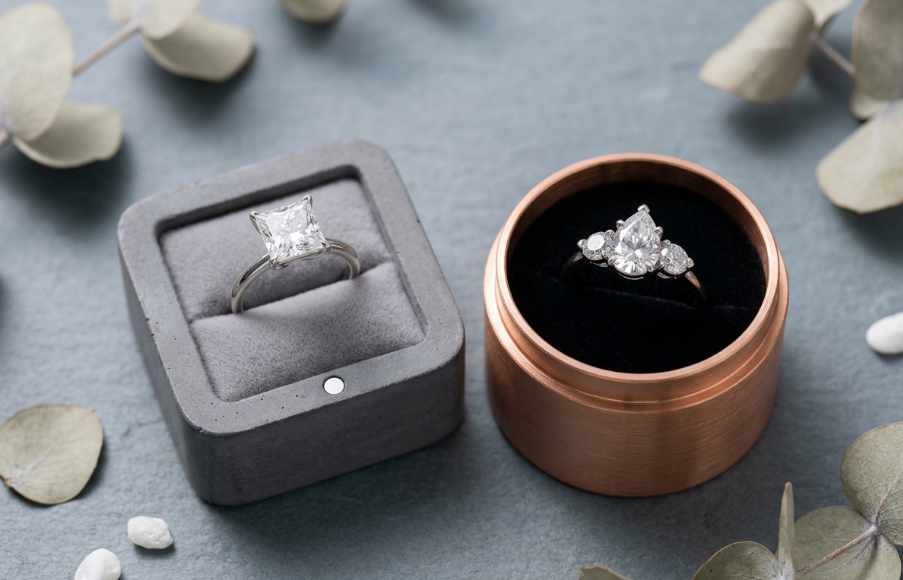
Solitaire vs. Three Stone Engagement Rings: Key Differences
| Feature | Solitaire Ring | Three Stone Ring |
| Design Focus | Minimalist, Single centerpiece gemstone | Balanced composition with three featured gems |
| Symbolism | Pure, focused, undivided love | Past, Present, and Future / Love, Commitment, Friendship |
| Visual Coverage | Clean, highly focused focal point | Enhanced side-to-side presence & rich side profiles |
| Versatility | Easily sits flush with straight bands when high-set | Sits flush with straight bands when high-set, though side stone proportions may influence band placement. |
| Style Vibe | Timeless, elegant, understated | Romantic, vintage-inspired, expressive |
Solitaire vs. Three Stone Engagement Rings: Design & Aesthetic Appeal
The Solitaire Ring: Undivided Elegance
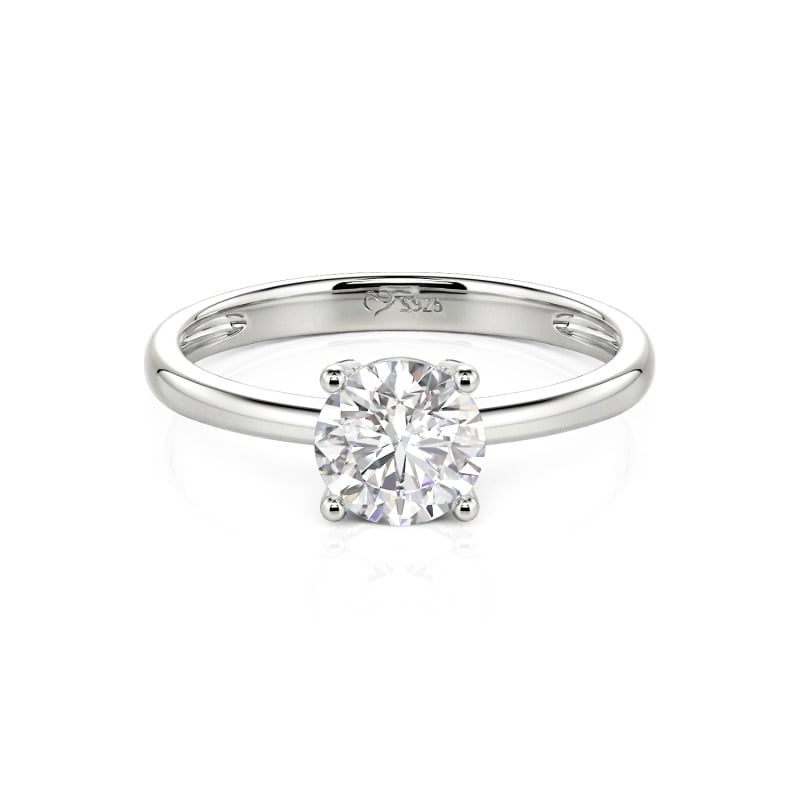
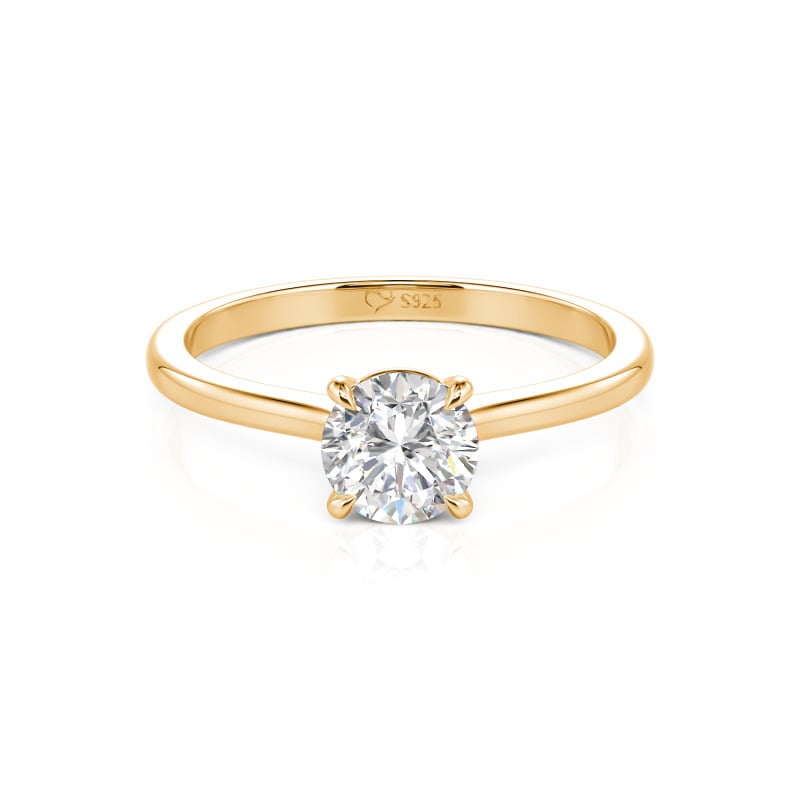
The solitaire ring is the epitome of classic jewelry design. Featuring a single, unadorned center stone set on a simple band, the entire focus remains squarely on the beauty, cut, and brilliance of that one central gem.
- Why it shines: Its clean lines ensure it never goes out of style. Whether set with a brilliant round, an elegant emerald cut, or a soft oval diamond, a solitaire allows the focal gem to take center stage without distraction.
- Best for: Lovers of minimalist design, understated luxury, and timeless classic beauty.
The Three Stone Ring: Architectural & Expressive
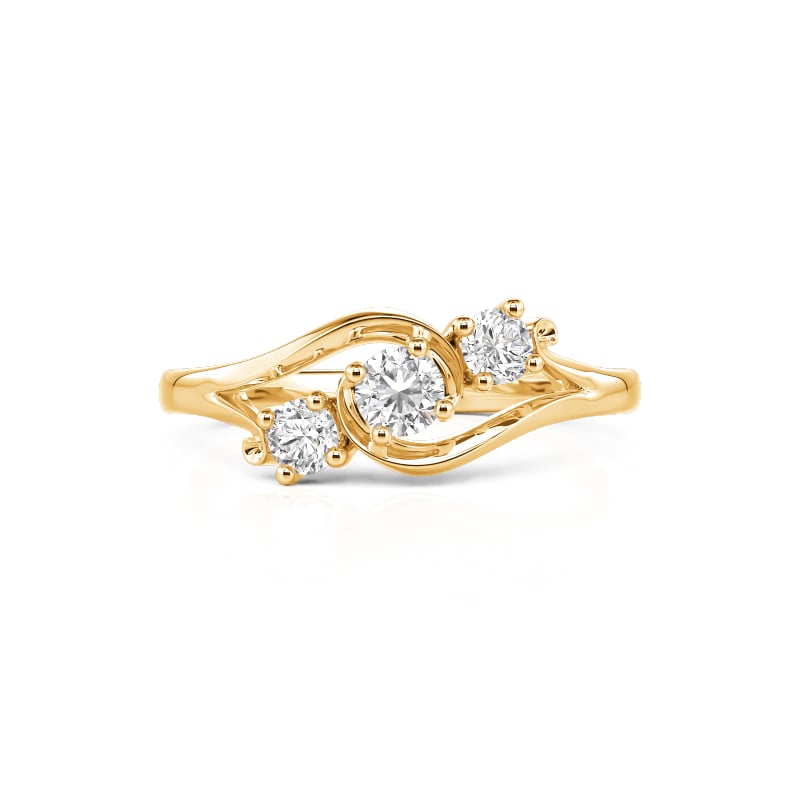
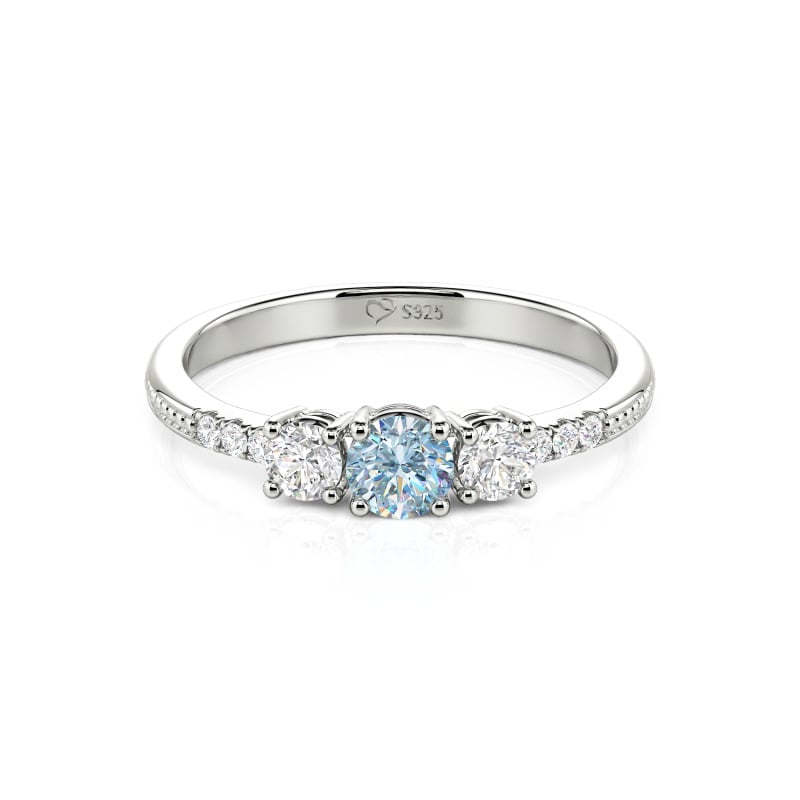
Also known as a trilogy ring, the three stone setting features a prominent center gemstone flanked by two accenting side stones. The side stones can match the cut of the center gem or complement it with contrasting shapes (such as an oval center with side pears, or an emerald cut with side baguettes).
- Why it shines: The addition of side stones expands the visual spread across the finger, creating a continuous flow of sparkle and a richer, more elaborate silhouette.
- Best for: Those who adore balanced proportions, romantic storytelling, and a slightly bolder, more intricate presence on the hand.
Solitaire vs. Three Stone Engagement Rings: Symbolism & Meaning
- Solitaire: Symbolizes one love, singular devotion, and clarity of intent. It celebrates pure commitment in its simplest, most direct form.
- Three Stone: Celebrates the evolution of a journey. Traditionally, the three stones represent the Past, Present, and Future of a relationship—a nod to shared memories, current devotion, and future dreams. Alternatively, they can represent Love, Commitment, and Friendship.
Solitaire vs. Three Stone Engagement Rings: Visual Presence & Diamond Maximization
One practical advantage of a Three Stone Ring is how side gemstones interact with the finger.
Because side stones extend toward the edges of the band, a three stone setting often creates the optical illusion of a larger center stone and provides greater finger coverage from left to right. This allows you to achieve maximum visual impact without needing to scale up the carat weight of the center stone alone.
By contrast, a Solitaire Ring relies entirely on the dimensions of its single stone to create impact. Its beauty lies in openness, allowing light to enter the gemstone from all angles.
Solitaire vs. Three Stone Engagement Rings: Pairing with Wedding Bands
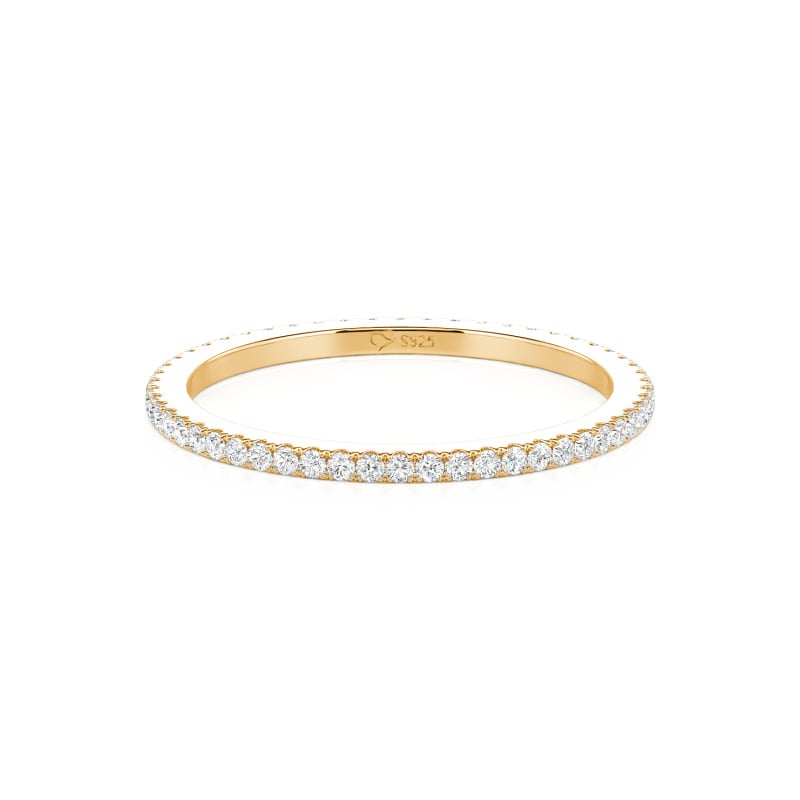
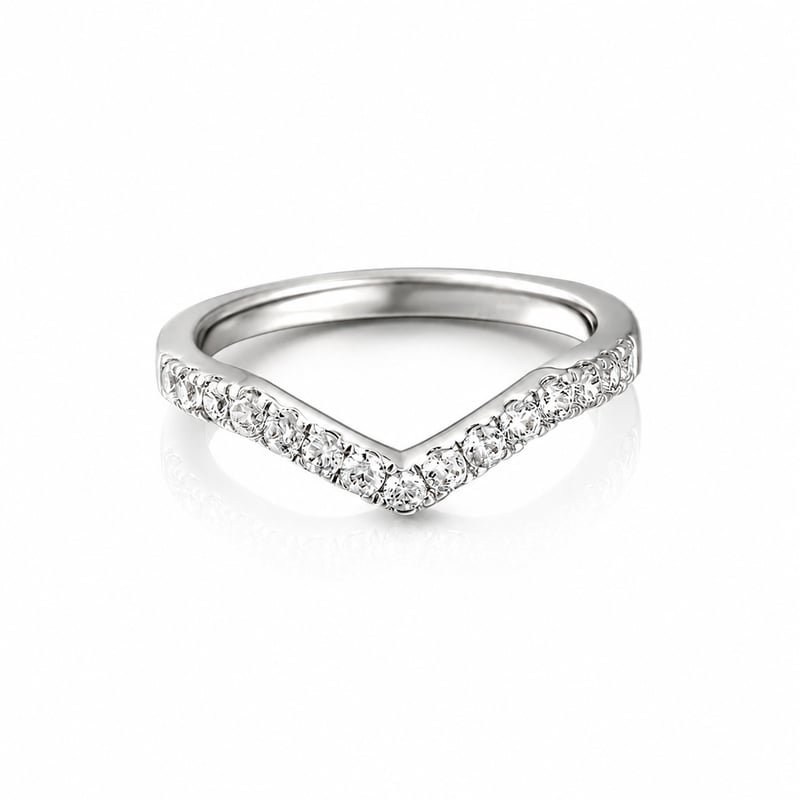
- Solitaire Rings: Often considered the ultimate standard for easy stacking—especially when designed with a high-set profile. A high-mounted center stone leaves ample space for a straight wedding band (from plain metal bands to pavé eternity rings) to sit completely flush. However, keep in mind that low-profile solitaire settings can still create a small gap, requiring a contoured band for a gapless look.
- Three Stone Rings: Surprisingly versatile when high-set, though pairing depends heavily on basket height and side stone architecture. High-set three stone designs accommodate straight bands effortlessly. However, because the side stones extend sideways, their proportions and basket angles may influence how tightly the band sits against the engagement ring, leading many to opt for curved, contoured, or custom-fit wedding bands for a seamless, gapless fit.
Solitaire vs. Three Stone Engagement Rings: How to Choose the Right Style?
Choose a Solitaire Ring if:
- You favor clean lines, subtle beauty, and effortless everyday versatility.
- You want a timeless look that pairs effortlessly with a wide range of wedding bands and personal styles.
- You want the beauty of your center gemstone to be the absolute star of the show.
Choose a Three Stone Ring if:
- You appreciate deep symbolism and love the romantic narrative of “Past, Present, and Future.”
- You prefer extra brilliance, finger coverage, and dynamic gemstone contrast (such as pairing a colored gemstone with white diamond accents).
- You love vintage charm or balanced, architectural geometry in your jewelry.
Find Your Dream Engagement Ring
Both solitaire and three stone rings remain enduring choices that stand the test of time. A solitaire ring celebrates the refined beauty of singular focus, while a three stone ring tells a rich, continuous story across three sparkling gems. Whichever silhouette you choose, the ideal engagement ring should be the one that brings you delight every time you look down at your hand.
More Jeulia Post: