
Lab grown diamond engagement rings have become a popular choice for modern couples, offering the same chemical, physical, and optical brilliance as mined diamonds, but often at a fraction of the price.
But with so many options available on the market, how do you ensure you’re making the right choice? Whether you are a first-time buyer or looking to upgrade your ring, here is your essential guide to navigating the world of lab-grown diamonds.
Navigate to:
Understanding the Value Proposition of Lab Diamond
Before diving into technical details, it’s helpful to understand why lab-grown diamonds are so compelling. They are not fakes or simulants like cubic zirconia. They are real diamonds produced in controlled laboratory environments. This gives you two major advantages:
Superior Value: Your budget goes much further. You can often afford a larger, higher-quality stone than you could with a natural diamond of the same price.
Ethical Clarity: Lab-grown diamonds provide a transparent, sustainable, and conflict-free alternative, offering peace of mind alongside beauty.
The 4Cs: How Lab-Grown Diamonds are Graded
Just like natural diamonds, lab-grown diamonds are graded on the industry-standard 4Cs. Don’t be overwhelmed—here is how to prioritize:
Cut (The Priority): The cut is the most critical factor in a diamond’s beauty, responsible for its fire, scintillation, and brilliance. Never compromise on this. Always prioritize an “Excellent” or “Ideal” cut grade; it is the difference between a diamond that simply exists and one that truly lights up a room.
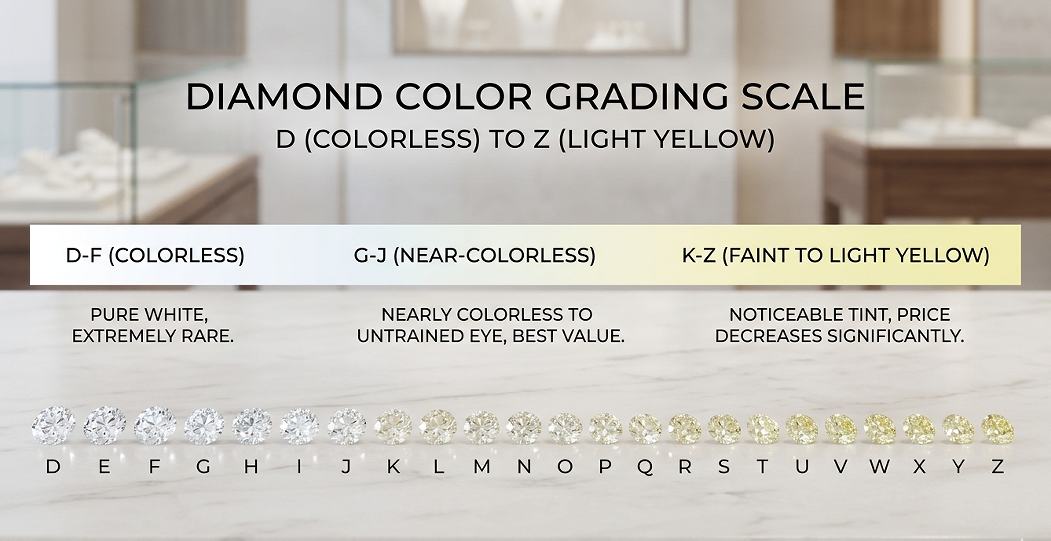
Color: Diamonds are graded on a scale from D (colorless) to Z (light yellow). While the difference between adjacent grades can be nearly invisible to the untrained eye, the price difference can be significant. Here is how to navigate the scale:
- D-F (Colorless): The pinnacle of color grading. These are the rarest and most expensive. If you demand absolute perfection, choose these.
- G-J (Near-Colorless ): This is the “sweet spot” for most buyers. To the naked eye, these diamonds appear colorless, especially when set in jewelry. They offer exceptional value without sacrificing visual brilliance.
- K-Z (Faint to Light Yellow ): As you move down the scale, the subtle yellow tint becomes more noticeable, especially in larger stones or certain shapes. Unless you specifically prefer a warmer tone, we generally recommend staying within the D-J range for an engagement ring.
Clarity: This measures the presence of internal inclusions or external blemishes. While the GIA/IGI scale is highly detailed, it is helpful to think of it in terms of visual impact:
- VVS1-VVS2 (Flawless to VVS): These are nearly perfect even under high magnification. They are the ultimate choice for perfectionists, though the high cost is often not reflected in the diamond’s naked-eye appearance.
- VS1-VS2 (The Sweet Spot ): This is the ideal balance of value and beauty. In this range, any inclusions are minor and typically invisible to the naked eye. You get a diamond that is “eye-clean” while maximizing your budget for a larger size or better cut.
- SI1-SI2 (Slightly Included ): These can be great value options. While they have more noticeable inclusions under magnification, many SI1 (and some SI2) stones remain “eye-clean” from a normal viewing distance. This is where you can find significant savings if you are willing to inspect the stone carefully.
Carat: Remember, carat is a unit of weight, not necessarily size. An excellent cut will make your diamond look more impressive than a poorly cut, heavier stone.
Beyond the Stone: Setting and Metal
While the diamond is the heart of your ring, the setting and metal are its foundation. Choosing the right combination ensures that your lab grown diamond engagement ring is not only stunning but also durable enough for a lifetime of everyday wear.
Metal Choice: Platinum is the most durable, ideal for those who want their ring to last a lifetime with minimal maintenance. 18K gold offers a classic, timeless appeal in various colors but may require more regular care to maintain its shine.
Design & Function: Your ring should be a balance of personal aesthetic and daily reality.
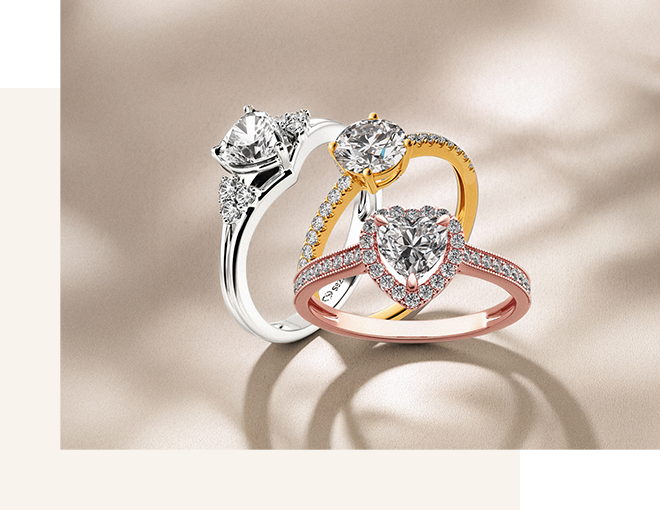
- For Maximum Brilliance: Halo or side-stone settings add intricate detail and extra sparkle, framing the center stone for a sophisticated, high-presence look.
- For the Active Lifestyle: If your daily routine involves frequent manual work or active movement, prioritize robust designs like a bezel setting, which fully encircles the diamond for maximum protection.
- For the Minimalist/Classic Soul: Solitaire settings offer timeless elegance and highlight the center stone, making them perfect for those who appreciate clean, understated beauty.
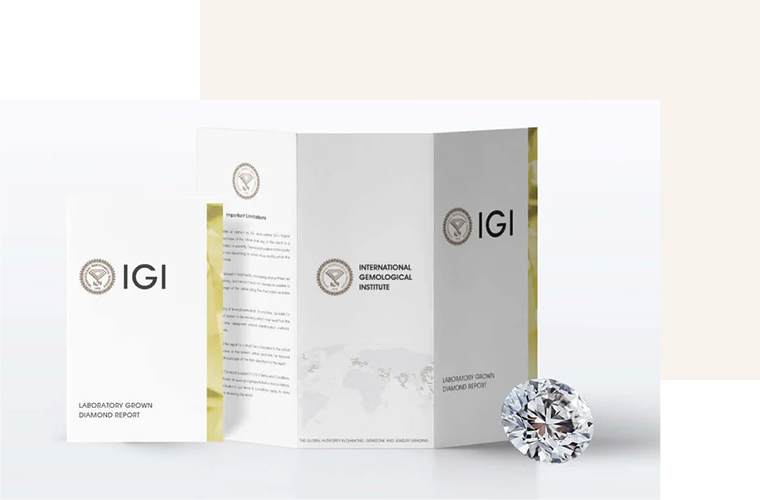
Verification is Non-Negotiable for A Lab Diamond
Not all lab-grown diamonds are created equal. Always request a grading report from a reputable organization like the IGI (International Gemological Institute) or GIA. This certificate acts as the “ID card” for your diamond, confirming its quality and verifying its laboratory-grown status. Never buy a significant stone without one.
Beyond the Purchase: Long-Term Satisfaction & Service
Buying an engagement ring is the start of a lifetime of wear. Whether you choose to shop locally or online, it is essential to select a jeweler who is dedicated to your long-term satisfaction.
Customer-Centric Policies: Choose a brand that stands firmly behind its products. Look for clear, transparent return policies and an upgrade program that allows you to easily evolve your piece for future anniversaries or life milestones.
Tailored Aftercare: If you buy from a local boutique, prioritize a jeweler who provides services like regular cleanings, prong tightening, and professional inspections. If you prefer the convenience of an online store, look for brands that offer detailed home-care guides to help you keep your diamond sparkling safely at home.
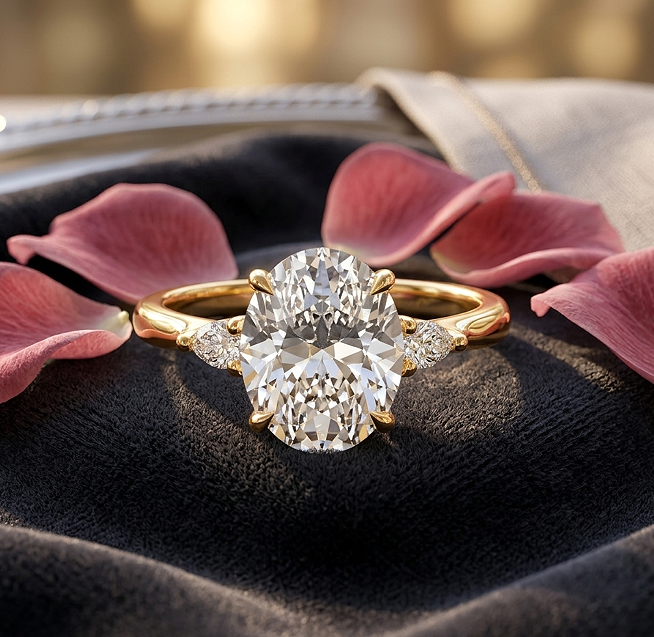

Find Your Perfect Lab Grown Diamond Engagement Ring
Choosing a lab-grown diamond engagement ring is more than a smart choice—it’s a modern testament to your love. By prioritizing the Cut, ensuring you have the right certification, and selecting a design that mirrors your partner’s soul, you aren’t just buying a ring. You are crafting a timeless symbol that will sparkle through every chapter of your journey together.
More Jeulia Post: