
Step aside, round brilliants and classic emeralds. There’s a new (or rather, very old) shape capturing the hearts of unconventional lovers and history buffs across the nation: the coffin cut. With a name that intrigues as much as it intimidates, this unique gemstone cut is making a startling comeback in the American engagement ring scene.
For those seeking a symbol of love that’s anything but ordinary, the coffin cut offers a perfect blend of Gothic romance, historical significance, and undeniable individuality.
Navigate to:
What Exactly is a Coffin Cut?

Let’s address the elephant in the room first: the name. Yes, it’s named for its resemblance to the shape of a coffin or a stretched octagon. But before you let that conjure images of doom and gloom, consider its other, more romantic name: the baguette cut.
While modern baguettes are typically long and rectangular, the antique “baguette” often featured these tapered ends, creating the distinctive coffin shape. It’s a cut that was particularly popular during the Art Deco era (the 1920s and 1930s), a period defined by bold geometry, sleek lines, and a fascination with the exotic and the mysterious.
The cut itself is characterized by:
- A long, rectangular center: This is the main body of the stone.
- Sharply tapered ends: The two shorter sides slope inward, creating the iconic pointed corners.
- Step-cutting: Unlike the brilliant cuts designed for maximum sparkle, coffin cuts are often step-cut. This means the facets are arranged in parallel rows, creating a hall-of-mirrors effect that emphasizes the stone’s clarity and color over its fire. It’s a whisper of elegance rather than a shout of sparkle.
Why the Sudden Surge in Popularity?
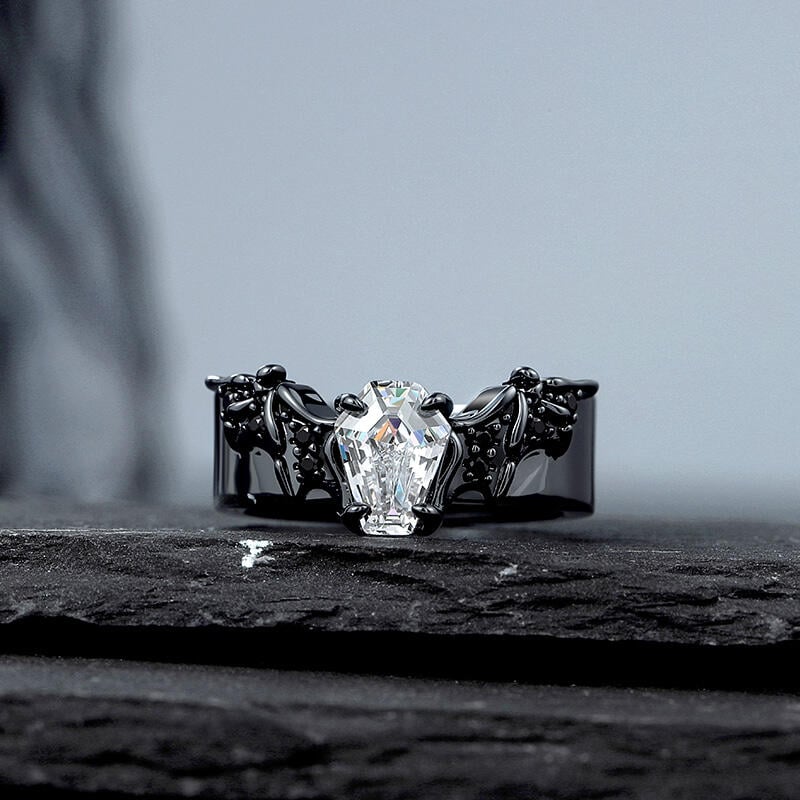
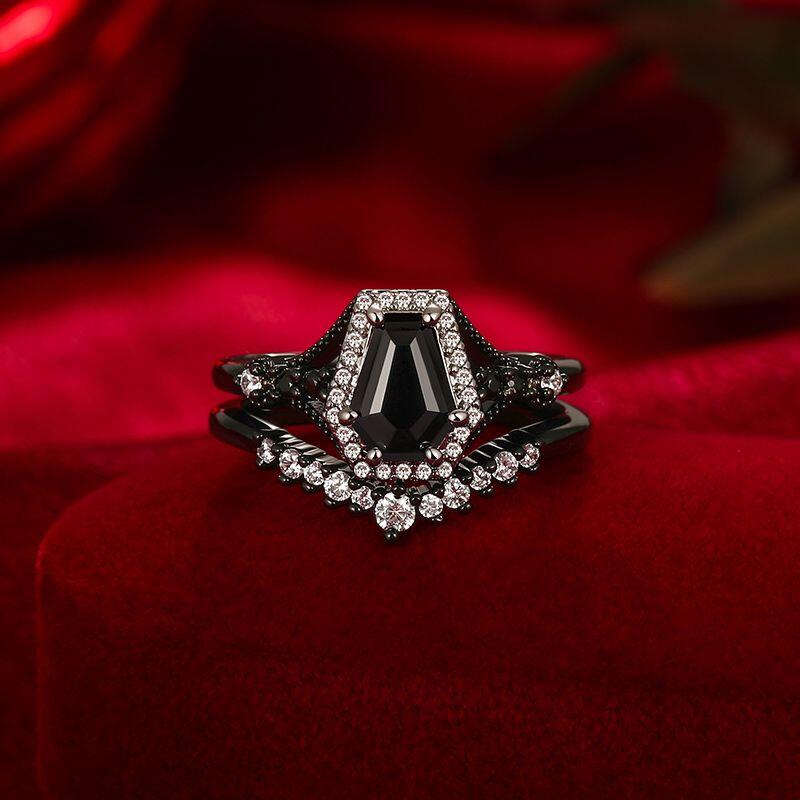
The modern American bride and groom are increasingly looking for ways to express their unique love story. The cookie-cutter solitaire, while timeless, doesn’t resonate with everyone. The coffin cut rings (pun intended) perfectly with several current trends:
- The Rise of Non-Traditional Stones: As couples move beyond diamonds, gemstones like sapphires, emeralds, and morganite are in high demand. The coffin cut’s elegant, architectural lines beautifully showcase the deep, rich color of these alternative stones.
- The Vintage & Art Deco Revival: Everything old is new again. The roaring ‘20s are back in fashion, from clothing to interior design. An Art Deco-inspired coffin cut ring is a tangible piece of that glamorous, history-rich aesthetic.
- A Desire for Meaning and Symbolism: For some, the coffin cut is more than just a shape. It can symbolize eternal love, a partnership that transcends life itself, or a shared love for the mystical and historical. It’s a conversation starter that carries deep meaning.
Designing Your Coffin Cut Rings
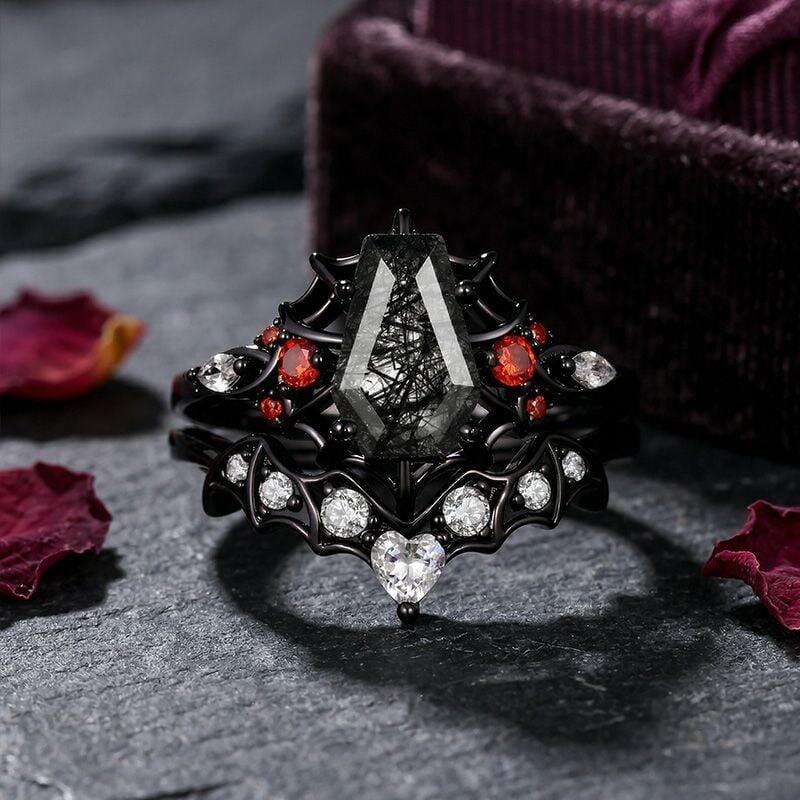
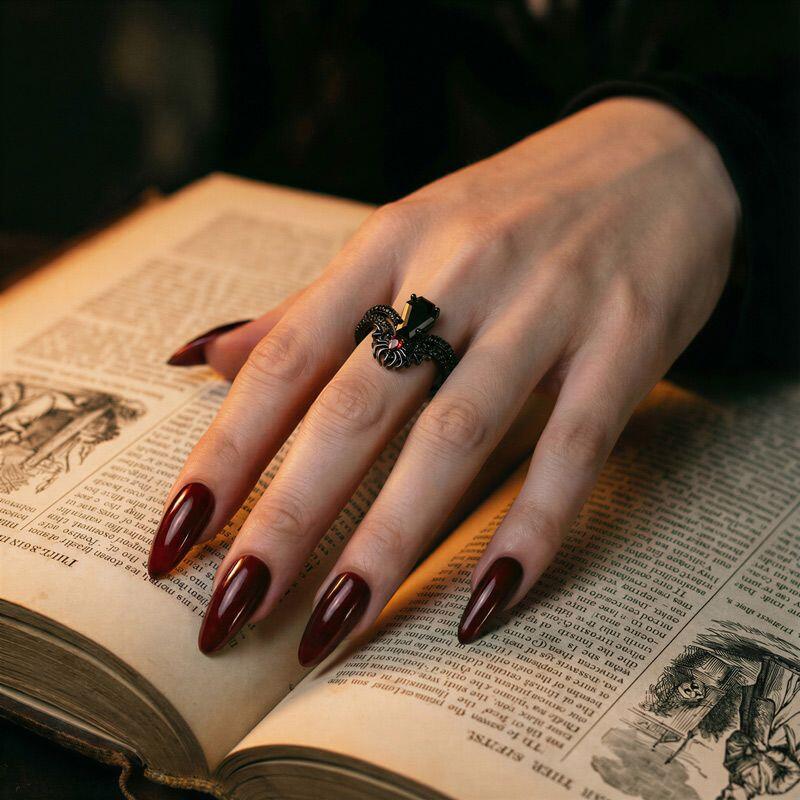
The beauty of this cut is its versatility. Whether your style is full-on Gothic or subtly vintage, a coffin cut can be adapted to fit your vision.
- The Statement Solitaire: Let the unique shape do all the talking. A simple, elegant setting in yellow gold or platinum allows the geometry of the center stone to shine.
- The Art Deco Masterpiece: Go all out! Pair a coffin cut center stone with smaller trapezoid or triangular side stones. Incorporate intricate milgrain detailing, filigree work, and black enamel for a true-to-era piece.
- The Modern Twist: Contrast the antique cut with a ultra-modern setting, like a sleek bezel or a mixed-metal design. This creates a fascinating tension between old and new.
- The Three-Stone Ring: Symbolizing your past, present, and future, three vertically-set coffin cuts create a breathtakingly elegant and elongated look on the finger.
Is a Coffin Cut Ring Right for You?
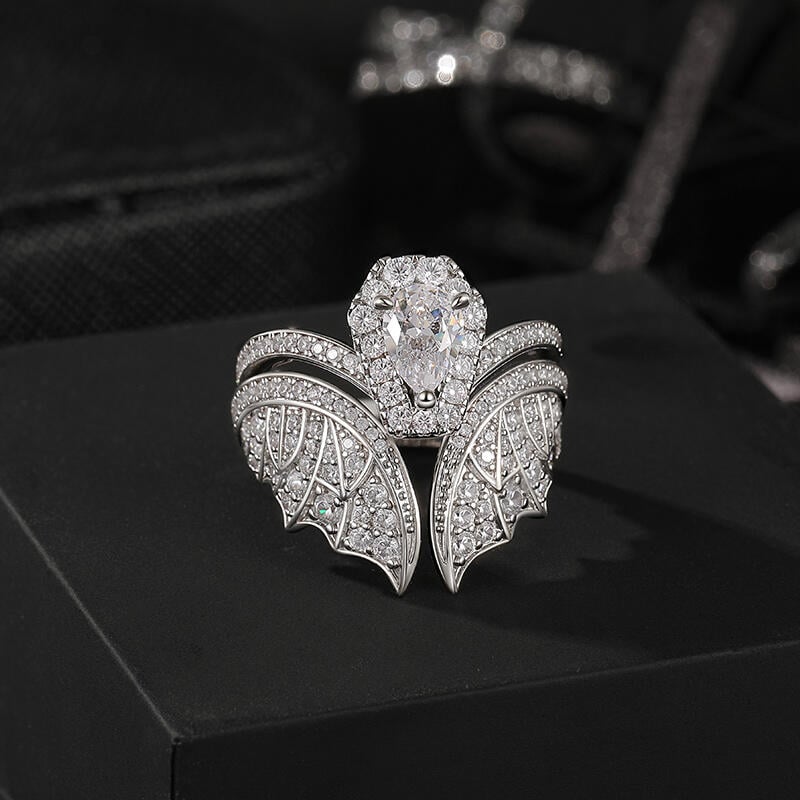
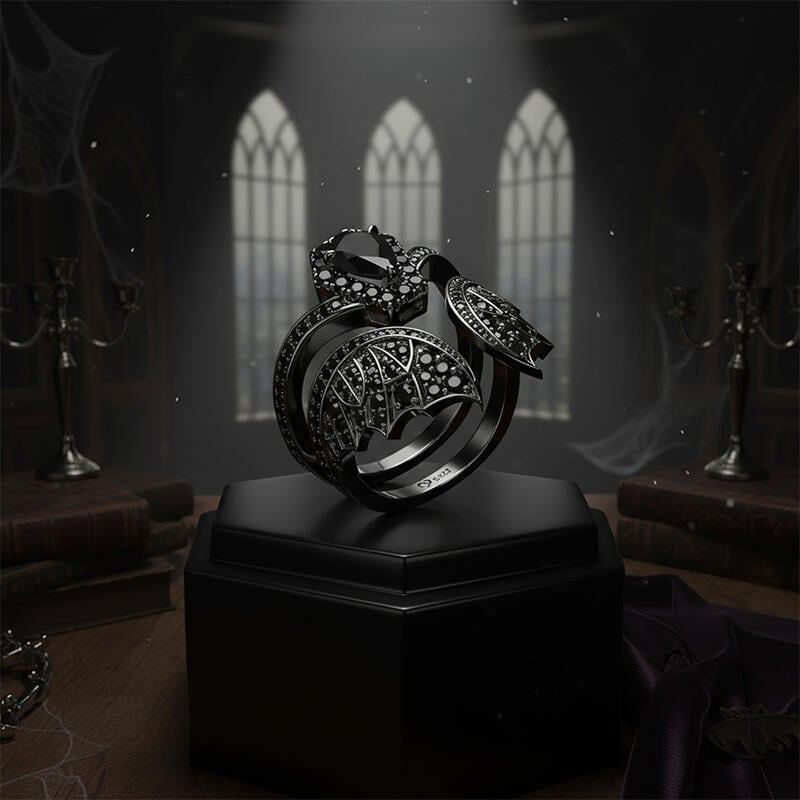
If you are drawn to history, art, and symbolism, and you want an engagement ring that is unmistakably yours, then the answer is a resounding yes. It’s for the couple who values character over convention and sees their love as a unique, enduring story.
A quick word of caution: Due to its long shape and pointed corners, the coffin cut can be more prone to chipping than a round or oval cut. It is crucial to choose a setting that protects those delicate points, such as a V-prong or a well-designed bezel. Always ensure you get ring insurance for a piece of such unique beauty.
The coffin cut engagement ring is not a trend for the faint of heart. It is a bold, intelligent, and deeply romantic choice for those who dare to be different. It’s a piece of history, a work of art, and a promise of a love that is truly one-of-a-kind.
So, if you’re ready to unearth a symbol of love that is as eternal as it is extraordinary, the coffin cut might just be your perfect fit.
FAQ about Coffin Cut Engagement Ring
Q: How does a coffin cut diamond’s sparkle compare to a round brilliant?
A: It’s very different. A round brilliant cut is designed for maximum fire and scintillation (rainbow sparkle). A coffin cut, as a step cut, prioritizes clarity and luster. Its large, open facets create elegant, flashes of light and a sophisticated, mirror-like shine. It shows off the diamond’s clarity beautifully but is generally less “flashy” than a brilliant cut.
Q: What is the best setting for a coffin cut engagement ring?
A: Coffin cut diamonds are typically used as accent stones or side stones flanking a larger center stone (like an emerald, oval, or round cut). Using them as a center stone is very rare and requires a custom design. Popular settings include:
Three-Stone Rings: A classic choice with a coffin cut stone on each side.
Channel Set Bands: Coffin cuts are perfect for channel settings, creating a smooth, continuous line of diamonds.
Art Deco Style Settings: Their geometric shape makes them ideal for vintage-inspired Art Deco rings.
Q: Are coffin cut diamonds more affordable?
A: Generally, yes. Because they are often smaller accent stones and are less in demand than popular center stone shapes, they can be more affordable per carat. However, the final cost of your ring will depend heavily on the size, quality (color and clarity), and the central diamond you choose to pair them with.
Q: Are the pointed corners of a coffin cut diamond prone to chipping?
A: Yes, the sharp points are more vulnerable than rounded corners. This is a key reason they are almost always used in protective settings like channel, bezel, or V-prong settings that fully encase the delicate ends. A skilled jeweler will ensure the setting provides maximum protection.