
You’ve found the one alternative. Now, you’re searching for the ring that perfectly symbolizes your love—a ring that’s as brilliant, unique, and forward-thinking as your relationship. For generations, that search began and ended in a traditional mined diamond.
What Exactly Is a Lab-Grown Diamond?
Let’s clear this up immediately: Lab-grown diamonds are real diamonds. Full stop.
The only difference between a lab-grown diamond and a mined diamond is their origin. One is formed over billions of years deep within the earth, and the other is grown in a matter of weeks inside a highly advanced laboratory.
Scientifically, optically, and chemically, they are identical. They are made of the same carbon atoms arranged in the same crystalline structure. They possess the same brilliance, fire, and scintillation. Even a professional gemologist cannot tell them apart without specialized equipment designed to detect tiny lab-grown inscriptions.
How Are Diamonds Grown in a Lab?
There are two primary methods used to create these dazzling gems, both replicating the natural conditions of diamond formation:
High Pressure-High Temperature (HPHT): This method places a tiny diamond “seed” into a chamber of pure carbon. It then subjects it to immense pressure and extreme heat, mirroring the natural forces of the earth, encouraging the carbon to form a crystal around the seed.
Chemical Vapor Deposition (CVD): A more recent technology, CVD places a diamond seed in a sealed chamber filled with carbon-rich gas. The chamber is heated until the gas breaks down, and the carbon atoms gradually bond to the seed, layer by layer, building a diamond crystal.
The result? A breathtaking, ethically created, and genuine diamond.
Why Choose a Lab-Grown Diamond Ring?
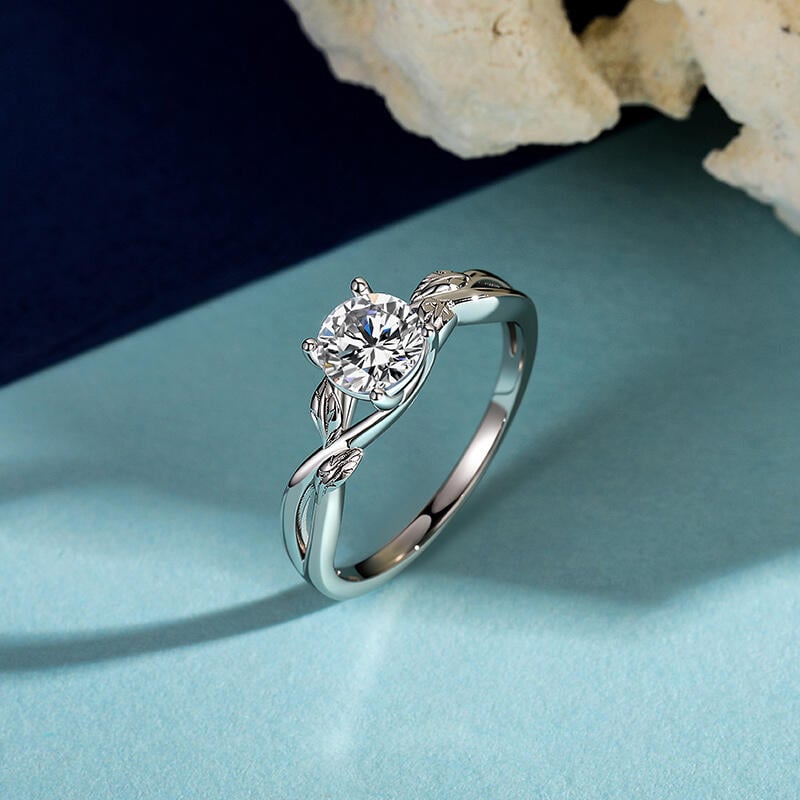
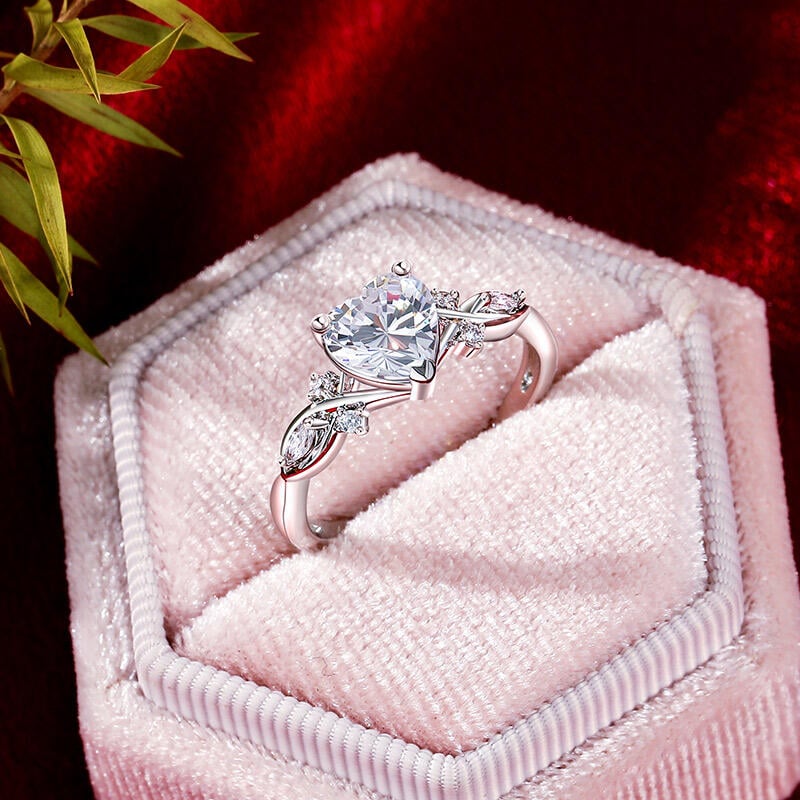
Beyond the undeniable “wow” factor, couples are increasingly choosing lab-grown diamonds for powerful reasons:
Exceptional Value: This is a major draw. Lab-grown diamonds typically cost 30-50% less than their mined counterparts of equal size and quality. This means you can choose a larger carat weight or a higher clarity grade for your budget, getting even more sparkle for your investment.
A Clear Conscience (Ethical & Conflict-Free): Lab-grown diamonds offer a guaranteed conflict-free origin. You can be certain your symbol of love isn’t tied to humanitarian or environmental concerns sometimes associated with traditional mining.
Sustainability: While lab-grown diamond production requires significant energy, many creators are using renewable sources. When compared to the large-scale land disruption, water usage, and carbon footprint of mining, a lab-grown diamond is generally considered a more environmentally sustainable choice.
The Future is Now: Choosing a lab-grown diamond is a modern, innovative choice. It represents a love that looks toward the future, embracing progress and technology without sacrificing any of the timeless beauty and tradition of a diamond.
Addressing Your Questions & Concerns
“Will it hold its value?” This is a common question. It’s important to understand that traditionally, mined diamonds also do not hold their retail value well upon resale. Lab-grown diamonds are a consumer product, much like a smartphone or laptop—their primary value is in the beauty and joy they bring you, not as a financial investment. You are investing in a symbol of your love, not a commodity.
“Is it ‘cheap’ or a ‘fake’?” Absolutely not. As we established, it is a 100% real diamond. The growing process is a feat of human ingenuity. The ring setting (gold, platinum, etc.) is identical. The final product is indistinguishable and equally luxurious.
Finding Your Perfect Diamond Rings
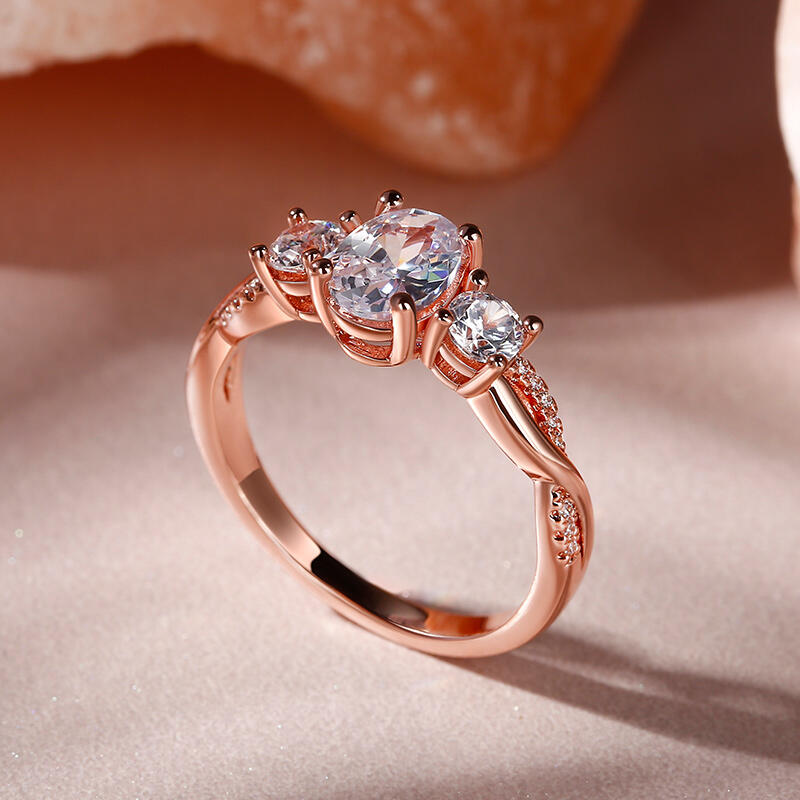
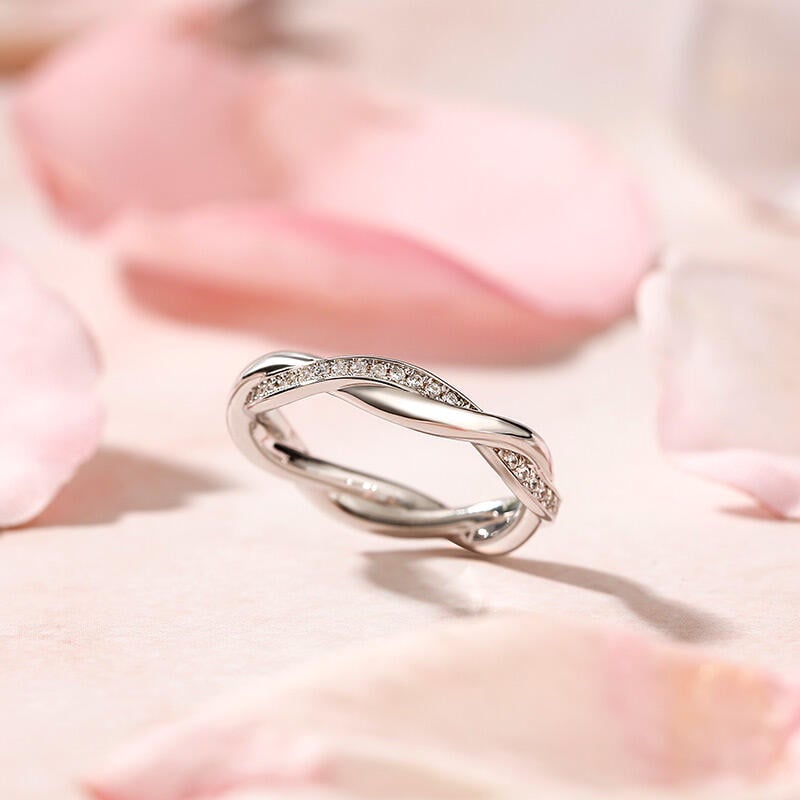
The best part? The world of lab-grown diamond rings offers endless possibilities. You can find every cut (round, oval, emerald, pear!), every setting (solitaire, halo, three-stone!), and every metal type you desire.
Our advice? Focus on the Four Cs (Cut, Color, Clarity, and Carat) just as you would with a mined diamond. A well-cut lab-grown diamond will dazzle just as brilliantly.
When you shop, look for reputable jewelers who provide certification from leading gemological institutes like the IGI (International Gemological Institute) or GIA (Gemological Institute of America). This certification verifies the diamond’s quality and its lab-grown origin.
Best Choice for You
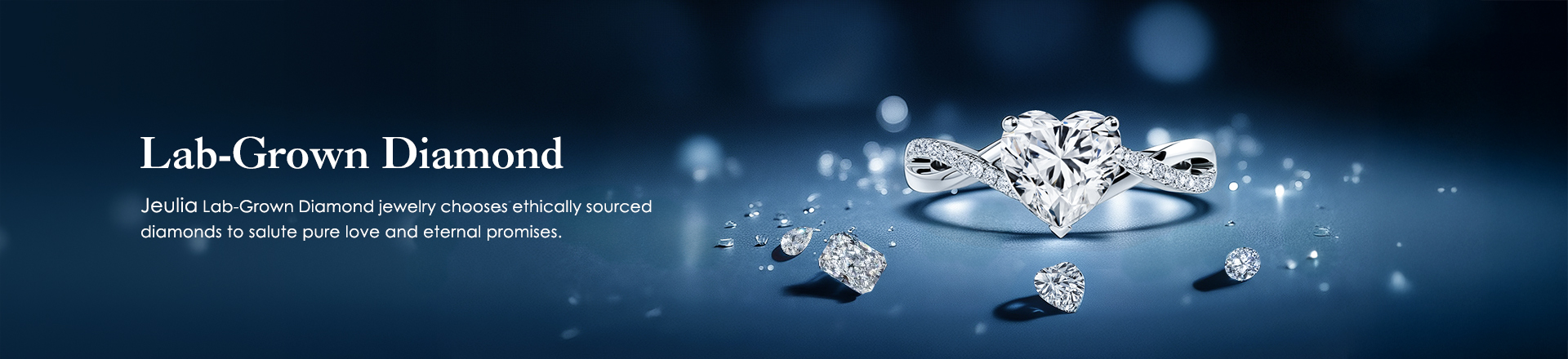
Choosing an engagement ring is a deeply personal decision. It’s about finding a piece that reflects your values, your story, and your unique love.
A lab-grown diamond ring offers a powerful combination: the timeless romance and unparalleled sparkle of a diamond, paired with modern ethics, stunning value, and a lighter planetary footprint.
It’s not a compromise; it’s a conscious upgrade. It’s a beautiful choice for a beautiful future, together.
FAQ about Lab-grown Diamond Rings
Q: Are lab-grown diamonds cheaper?
A: Yes. Generally, lab-grown diamonds cost 40% to 70% less than natural diamonds of the same quality (cut, color, clarity, and carat). Because their supply can be controlled by manufacturers and they do not require the massive overhead of mining and logistics, the savings are passed on to the consumer.
Q: Do lab-grown diamonds hold their value?
A: Like natural diamonds, lab-grown diamonds are not considered “investments.” While natural diamonds have a resale value based on market rarity, lab-grown diamonds are a consumer product. Because the cost of producing them continues to drop as technology improves, they do not retain a high resale value. They are best purchased for their beauty and sentiment rather than as a financial asset.
Q: Are lab-grown diamonds more sustainable?
A: They are generally considered a more ethical and environmentally friendly choice. They do not require displacement of land or large-scale mining operations, and they have a significantly lower carbon footprint. However, it is worth noting that the production of lab-grown diamonds requires high amounts of electricity; many companies are now “carbon neutral” by using renewable energy to power their labs.
Q: Can I get a larger stone for my budget?
Yes. Because lab-grown diamonds are more affordable, many couples find they can afford a larger carat weight, a better clarity grade, or a more ornate ring setting than they could if they were purchasing a mined diamond for the same price.