
In a world where traditional round brilliant and princess-cut diamonds dominate the bridal space, a refreshing, edgy, and undeniably sophisticated trend is taking center stage: the kite-cut engagement ring.
If you are a bride-to-be who wants to break away from the “standard” and lean into something that feels like a piece of modern art, the kite cut might just be your soulmate. Here is why this geometric wonder is stealing your hearts.
Navigate to:
What is a Kite Cut?
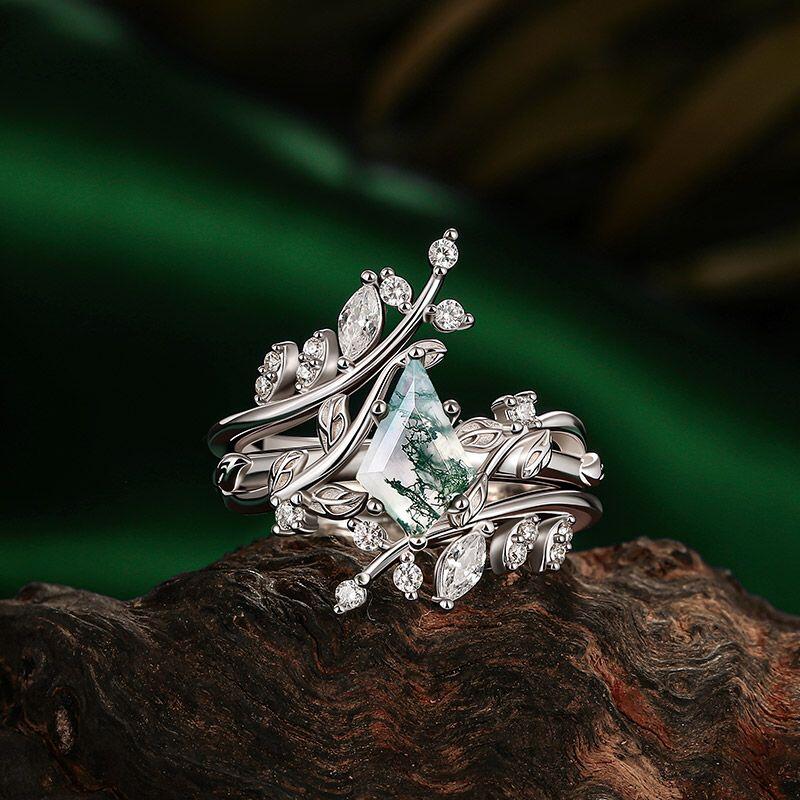
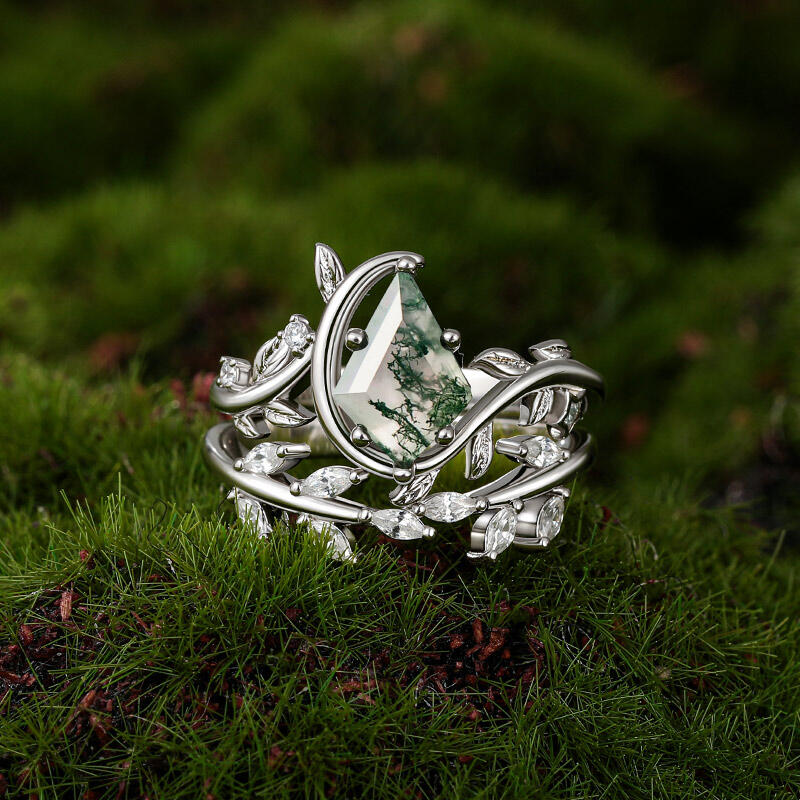
As the name suggests, a kite-cut diamond is shaped exactly like a classic diamond-shaped kite. It features four sides—two shorter ones at the top forming a point, and two longer ones at the bottom that also meet at a point. It is a fancy, modified step-cut or brilliant-cut stone that exudes a sharp, architectural aesthetic.
Why It’s Taking Over the Bridal Industry
1. It’s Unapologetically Unique
Let’s be honest: when you see a kite-cut ring, you stop and stare. It isn’t the ring you see on every finger. Choosing a kite-cut diamond signals that you value individuality and creative flair. It is a bold statement piece that commands attention without relying on massive carat weight.
2. The “Elongation” Effect
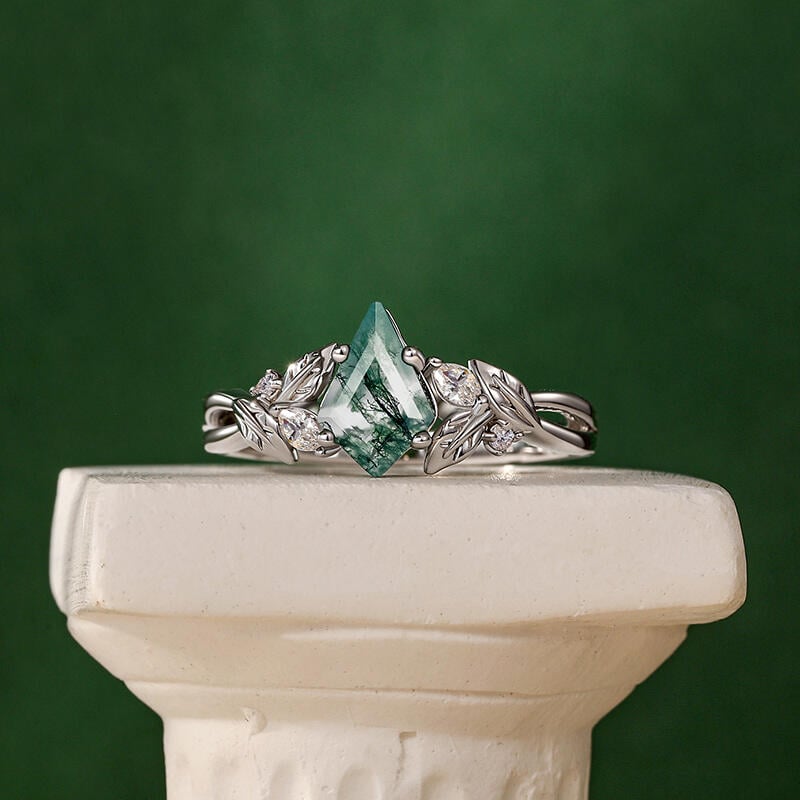
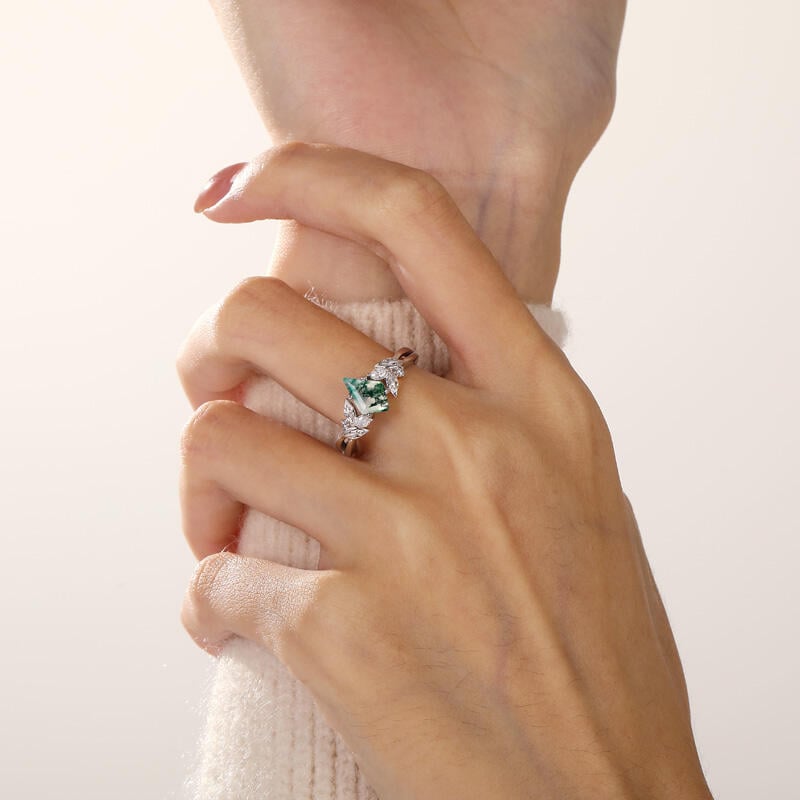
One of the most loved features of the kite cut is its ability to elongate the finger. Because of its vertical geometry, the stone draws the eye upward, creating a flattering, slender appearance on the hand. Whether worn tip-up (pointing toward the fingernail) or tip-down (pointing toward the wrist), it offers a stylish twist on traditional silhouettes.
3. Maximum Versatility
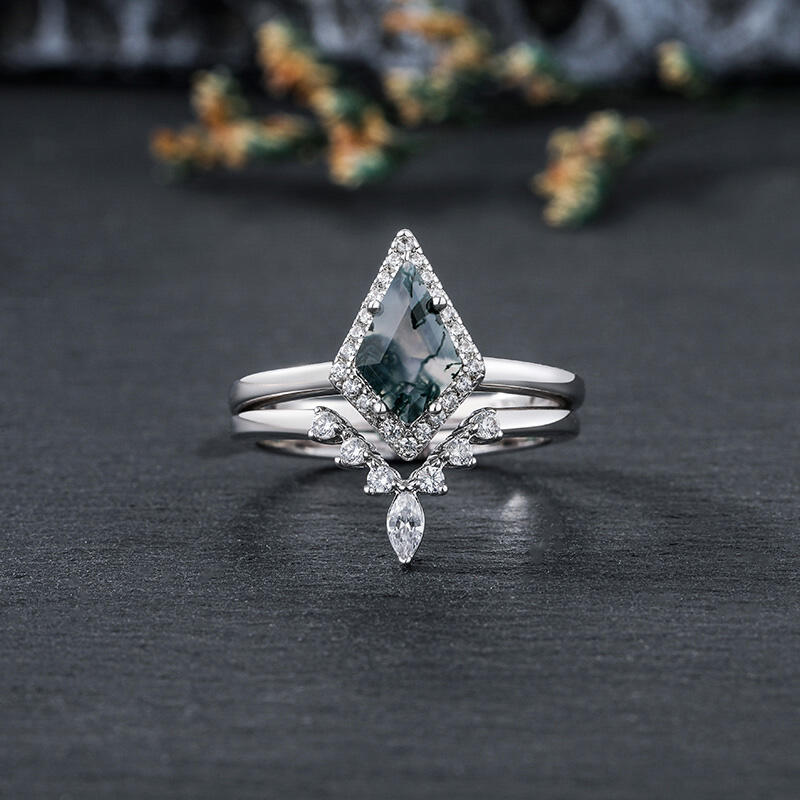
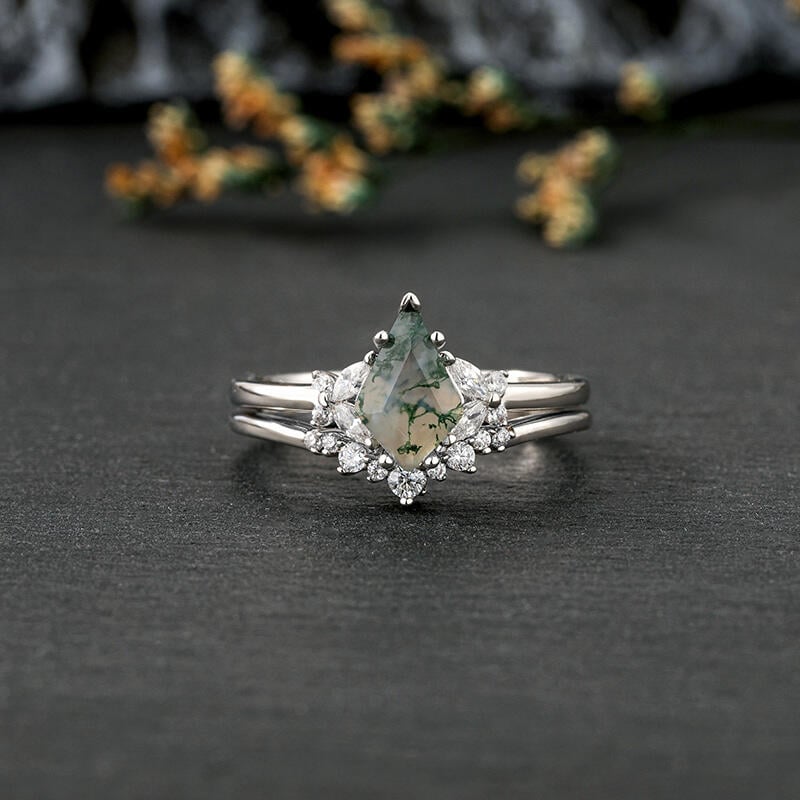
The kite cut is incredibly versatile when it comes to settings.
- The Minimalist: A simple solitaire kite cut on a thin gold band is the definition of “cool-girl” chic.
- The Art Deco Fan: Pair a kite cut with a halo of baguette diamonds or milgrain detailing to lean into those 1920s geometric vibes.
- The Duo: Many couples are opting for “toi et moi” (you and me) rings, pairing a kite-cut stone with another shape, like a pear or a trillion, for a high-fashion, asymmetric look.
Things to Keep in Mind about Kite Cut Engagement Ring
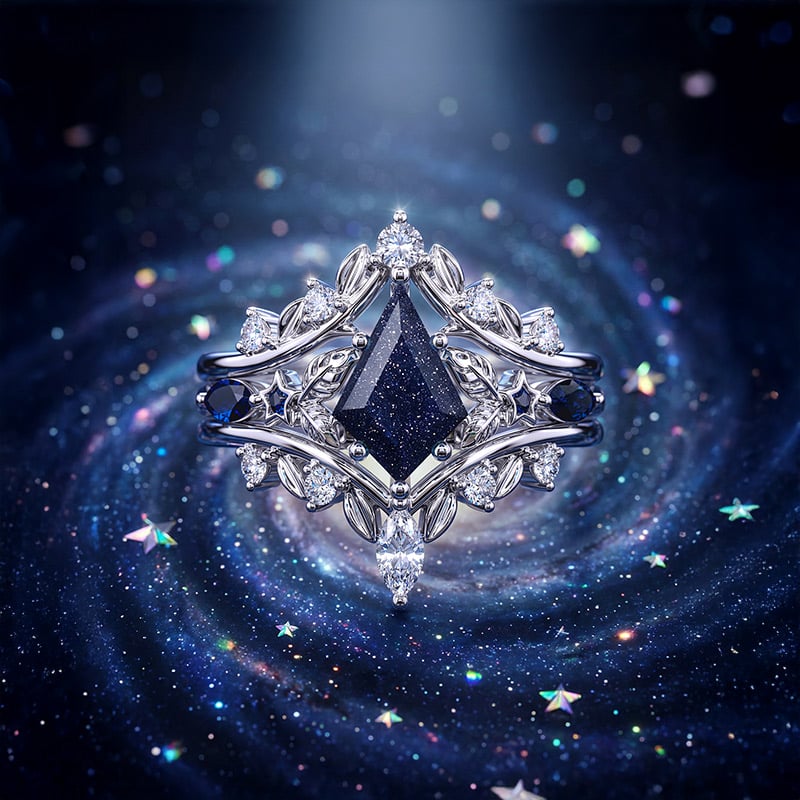
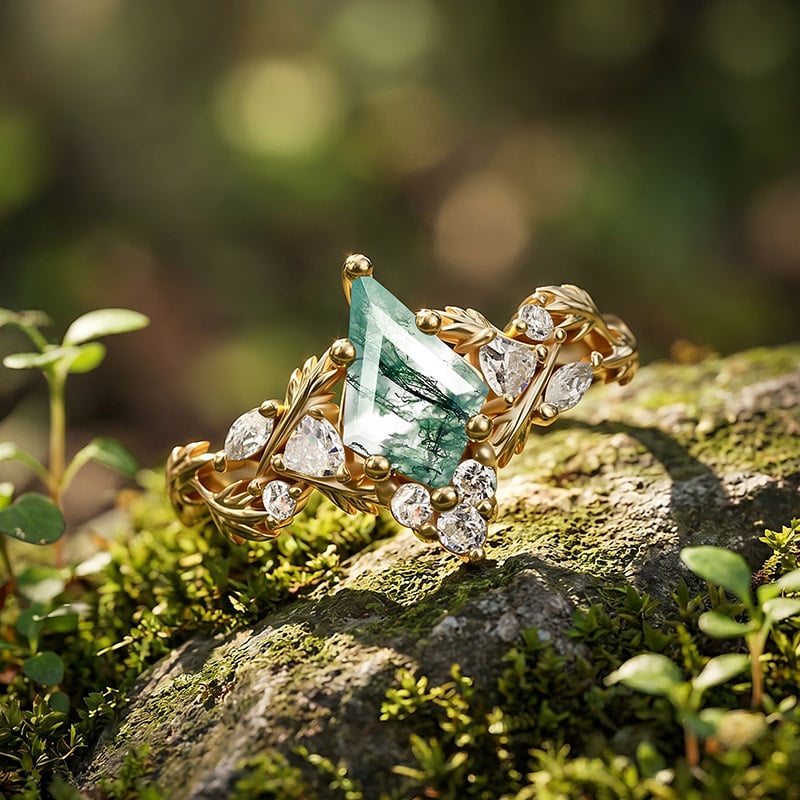
While the kite cut is stunning, it is important to work with a skilled jeweler. Because of the sharp points, your diamond will need proper protection.
- Prong Placement: Ensure your jeweler uses V-prongs or claw prongs on the points to protect the corners from chipping.
- Setting Style: A bezel setting is a fantastic, modern choice for a kite cut. It not only protects the sharp edges but also highlights the unique geometry of the stone.
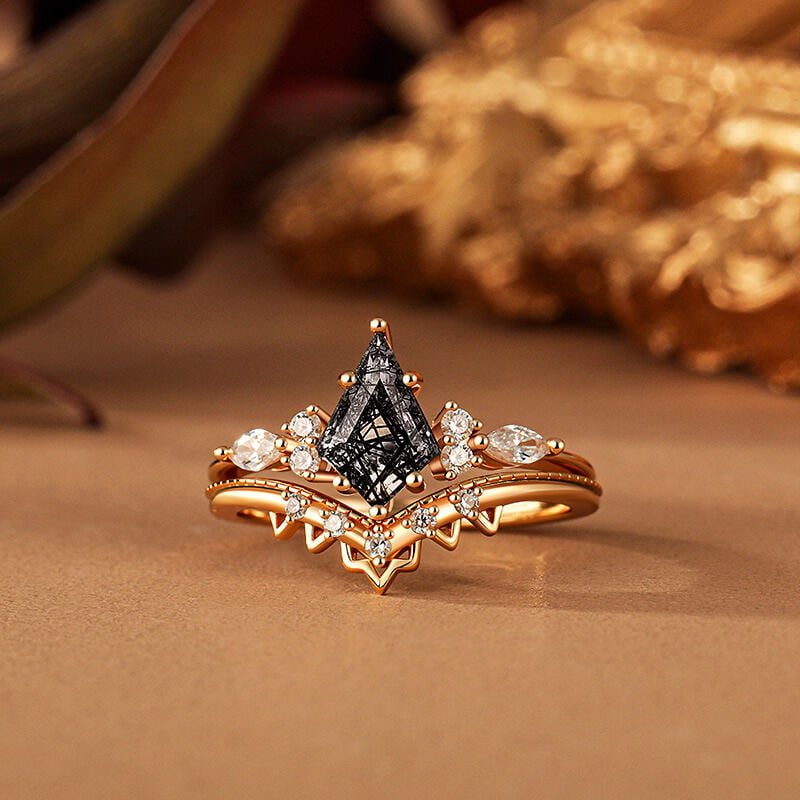
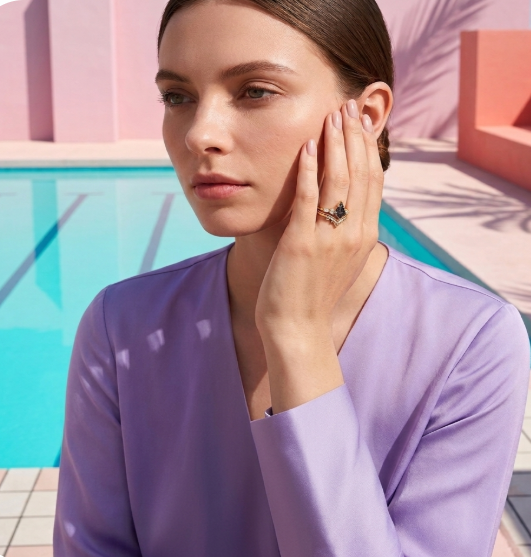
Your engagement ring should be a reflection of your personality. If you find yourself drawn to clean lines, modern design, and a touch of the unexpected, the kite cut is the perfect choice for you. It’s elegant, it’s edgy, and it’s timeless in a way that traditional shapes simply can’t replicate.
Are you ready to join the geometric revolution? Whether you go for a lab-grown kite diamond or a moss agate, this cut is guaranteed to turn heads for years to come.
FAQ about Kite Cut Engagement Ring
Q: Is a coffin cut diamond a new cut?
A: Yes, A coffin cut diamond is a modified, tapered baguette cut. Its shape is a long, narrow rectangle that comes to a point (or a flat edge) on both ends, resembling the outline of a coffin or a tapered baguette. It is a type of step cut, meaning it has long, parallel facets that create a “hall of mirrors” effect rather than the sparkle of a brilliant cut.
Q: Is the name “coffin cut” off-putting?
A: The name can be surprising, but in the jewelry world, it’s purely descriptive of the shape and is not meant to have a negative connotation. Many people are drawn to its edgy, geometric aesthetic. If the name bothers you, you can also refer to it as a tapered baguette cut or an elongated step-cut diamond, which are accurate alternative descriptions.
Q: What is the best setting for a coffin cut engagement ring?
A: Coffin cut diamonds are typically used as accent stones or side stones flanking a larger center stone (like an emerald, oval, or round cut). Using them as a center stone is very rare and requires a custom design. Popular settings include:
Three-Stone Rings: A classic choice with a coffin cut stone on each side.
Channel Set Bands: Coffin cuts are perfect for channel settings, creating a smooth, continuous line of diamonds.
Art Deco Style Settings: Their geometric shape makes them ideal for vintage-inspired Art Deco rings.
Q: Are coffin cut diamonds more affordable?
A: Generally, yes. Because they are often smaller accent stones and are less in demand than popular center stone shapes, they can be more affordable per carat. However, the final cost of your ring will depend heavily on the size, quality (color and clarity), and the central diamond you choose to pair them with.
Q: Are the pointed corners of a coffin cut diamond prone to chipping?
A: Yes, the sharp points are more vulnerable than rounded corners. This is a key reason they are almost always used in protective settings like channel, bezel, or V-prong settings that fully encase the delicate ends. A skilled jeweler will ensure the setting provides maximum protection.