
When shopping for fine jewelry, engagement rings, or personalized birthstone gifts, you will frequently come across terms like natural, lab-grown, and simulated gemstones. While all three can look dazzling in a jewelry box, the real difference lies in how they are made and their chemical composition.
Understanding the distinction between these three categories empowers you to choose a piece that fits your style, values, and budget—without any guesswork. Here is a clear, straightforward breakdown of how they compare.
Lab-Grown Gemstones vs. Natural vs. Simulated: Quick Comparison
| Feature | Natural Gemstones | Lab-Grown Gemstones | Simulated Stones |
| Origin | Mined from the Earth | Grown in a controlled laboratory | Manufactured in a lab or factory |
| Chemical Composition | 100% genuine mineral crystal | Identical to natural counterparts | Different material (e.g., glass, CZ) |
| Visual & Optical Properties | Natural color, subtle inclusions | Vibrant color, high clarity | Varies; often lacks natural depth |
| Durability (Mohs Hardness) | Varies by stone (e.g., Sapphire = 9) | Identical to natural stone (Sapphire = 9) | Usually softer and more prone to scratches |
| Price Point | Highest (driven by rarity & mining) | Accessible (typically 30%–70% less) | Most affordable |
Natural Gemstones: Formed by the Earth
Natural gemstones are minerals mined directly from the earth. Over millions of years, intense heat, pressure, and mineral-rich fluids beneath the earth’s crust crystallize into stones like diamonds, sapphires, emeralds, and rubies.
- What Makes Them Unique: Because they form in nature, virtually every natural gemstone contains microscopic internal features known as inclusions—often called a gem’s “fingerprint.” Natural stones are valued for their rarity, geological history, and traditional prestige.
- Things to Consider: High-clarity natural stones with rich color saturation (such as top-grade emeralds or rubies) are exceedingly rare and command steep prices. Traditional mining can also carry environmental impacts and complex supply-chain considerations.
What Are Lab-Grown Gemstones? Real Gems with a Modern Origin
Lab-grown gemstones (also called lab-created or man-made gemstones) are real gemstones grown inside a high-tech laboratory rather than dug out of the ground. Using advanced methods—such as hydrothermal growth, flux growth, or flame fusion—scientists replicate the exact temperature, pressure, and mineral conditions found deep within the earth.
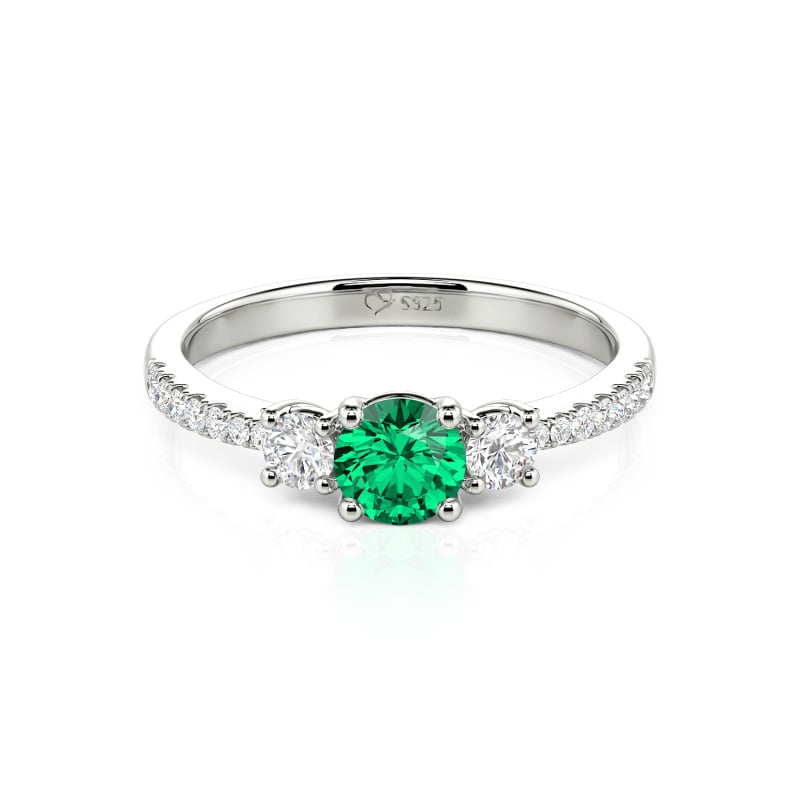
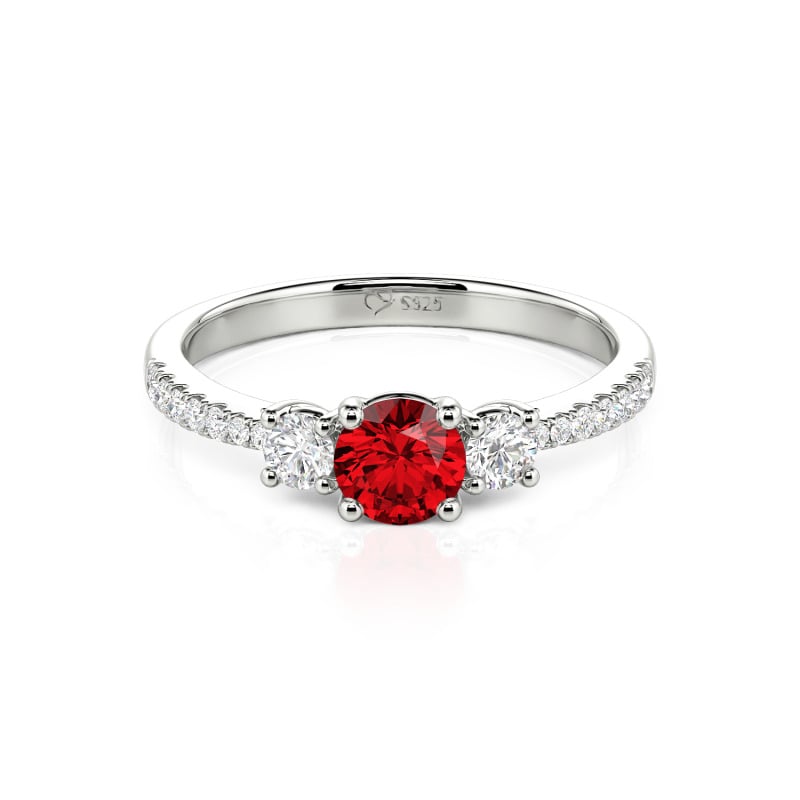
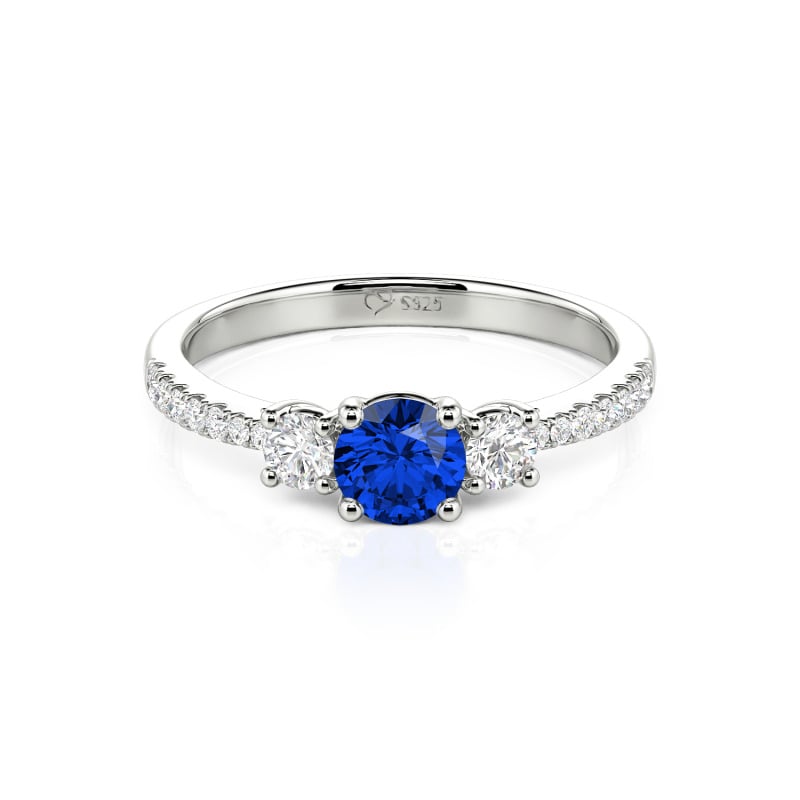
- Chemically and Physically Identical: A lab-grown emerald is made of beryl with trace chromium and vanadium, just like a mined emerald. A lab-grown sapphire is pure corundum with a 9 on the Mohs hardness scale, matching a natural sapphire in brilliance, refractive index, and scratch resistance. Even experienced gemologists require specialized equipment to tell them apart.
- Higher Clarity and Vivid Color: Because the growing environment is free from unpredictable geological disruptions, lab-grown gems develop fewer internal fractures and deliver rich, consistent color. For stones like emeralds—which are notoriously fragile and heavily included in nature—lab-grown varieties offer exceptional durability for everyday rings and pendants.
- Ethical and Accessible: Lab-grown gemstones require no large-scale mining, carry a smaller environmental footprint, and typically cost a fraction of their mined equivalents.
Simulated Stones: Look-Alikes, Not Twins
Simulated stones (or simulants) are designed to mimic the outward appearance of a natural gemstone, without sharing its chemical makeup or physical properties.
Common examples include cubic zirconia (CZ) (often used to imitate diamonds), colored crystal or glass (used to imitate emeralds or rubies), and synthetic spinel.
- How They Differ: While a high-grade simulant can sparkle brightly when brand new, it does not possess the same hardness, density, or light dispersion as the genuine stone it imitates. For instance, glass simulants sit around 5 to 6 on the Mohs hardness scale, meaning they can scratch, chip, or lose their polish over years of daily wear.
- When They Shine: Simulated gemstones are ideal for fashion jewelry, trend-driven accessories, or budget-friendly travel pieces where low cost is the top priority.
(Note: Moissanite sits in a unique category of its own. While originally discovered in a meteorite and now grown in labs, it is not a diamond simulant—it is a distinct gemstone made of silicon carbide with a 9.25 Mohs hardness and higher fire than a diamond.)
How to Choose the Right Gemstone for Your Jewelry
Selecting between natural, lab-grown, and simulated stones comes down to how you plan to wear the piece and what matters most to you:
- Choose Natural Gemstones if: You value geological rarity, heirloom collectibility, and don’t mind paying a premium for unique natural inclusions.
- Choose Lab-Grown Gemstones if: You want a genuine, durable gemstone with vibrant color and clean clarity for an engagement ring, custom birthstone necklace, or everyday fine jewelry—all at an attainable price and with peace of mind around sourcing.
- Choose Simulated Gemstones if: You are shopping for playful, occasional-wear fashion pieces or testing out a bold style before investing in fine jewelry.
FAQs
Are lab-grown gemstones considered real gemstones?
Yes. According to the Federal Trade Commission (FTC) and major gemological institutes like the GIA, lab-grown gemstones are real gemstones because they share the exact same crystal structure, chemical composition, and optical properties as mined stones.
Do lab-grown gemstones fade or get cloudy over time?
No. Because lab-grown sapphires, rubies, emeralds, and diamonds are genuine mineral crystals, their color and brilliance are permanent. Any dullness over time is simply surface oil or lotion buildup, which can be easily cleaned with warm water and mild soap.
How can you tell the difference between a lab-grown and a simulated stone?
A lab-grown stone matches the hardness, weight, and refractive index of its natural counterpart, whereas a simulant (like glass or CZ) is typically softer, weighs differently, and bends light differently. Reputable jewelers will always clearly disclose whether a stone is natural, lab-grown, or simulated.
Are lab-grown birthstones good for everyday rings?
Yes—especially harder varieties like lab-grown sapphire (September), ruby (July), alexandrite (June), and emerald (May). Because lab-grown emeralds have fewer internal fractures than mined emeralds, they hold up significantly better in daily-wear rings and bracelets.
More Jeulia Post: