
18K gold gold or platinum? This is the recurring debate when shopping for an engagement ring. Many assume platinum is the obvious choice—rarer, heavier, more expensive. But for a ring that must hold a precuous stone securely, withstand daily abuse, and still look beautiful decades later, an 18K gold engagement ring is often the smarter, more durable, and more aesthetically pleasing option. Here’s why.
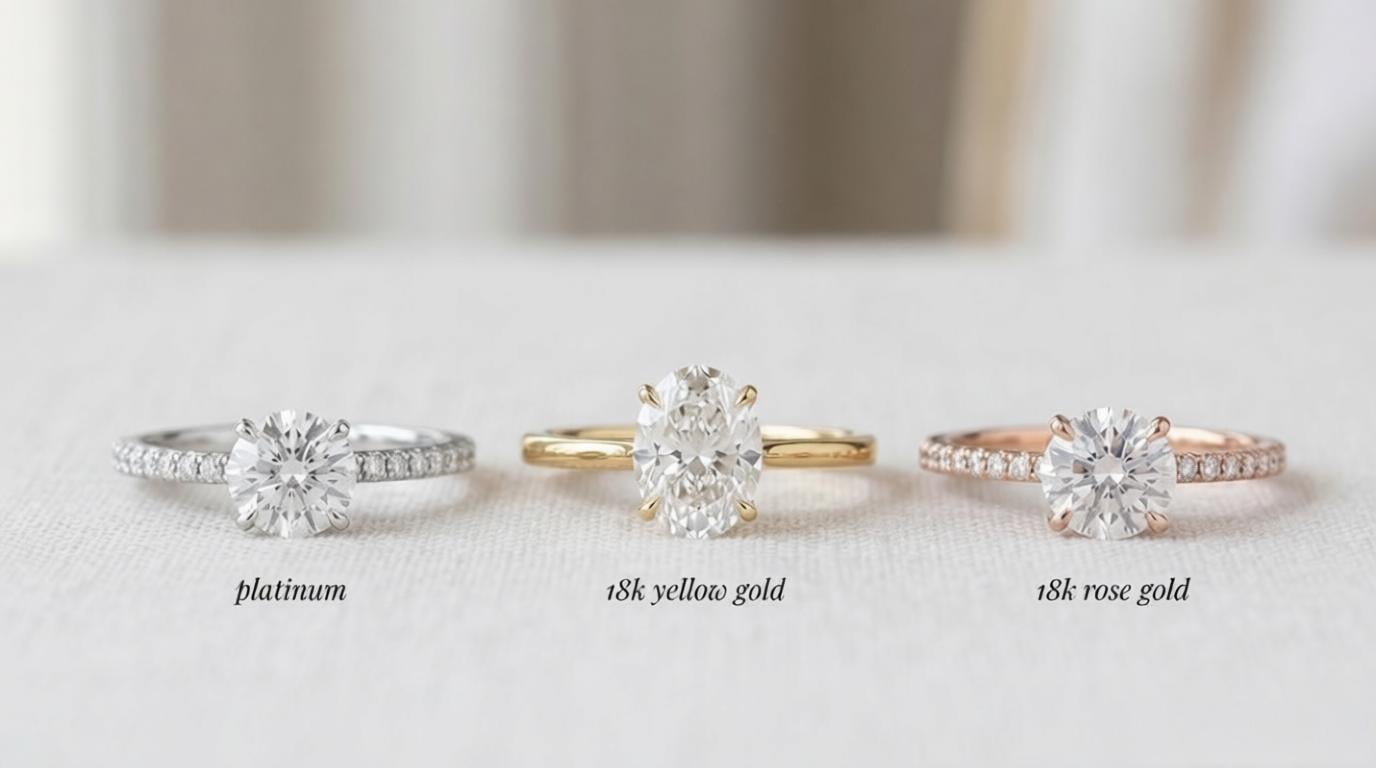
18K Gold Enhances Diamonds Better Than Platinum
This sounds counterintuitive. Platinum is white, and diamonds are white, so platinum should make diamonds look whiter, right? Not exactly.
Platinum has a cool, steely white tone. Most diamonds, especially those graded in the popular near-colorless range (G through J), contain faint traces of warmth that are invisible to the untrained eye. A cool platinum backdrop can actually act as a harsh contrast, accentuating that warmth and making the stone look slightly yellower than it is.
18K white gold, by contrast, is a more nuanced “warm white.” Because it contains 75% pure gold, it possesses a subtle, creamy undertone even beneath its rhodium plating. This subtle warmth acts as a soft-focus filter rather than a harsh spotlight, neutralizing the faint yellow in a diamond and often making the center stone appear brighter and more integrated with its setting.
18K Gold is More Resilient Than Platinum
Platinum is famously dense. Pick up a platinum ring and a gold ring of the same size, and the platinum one will feel noticeably heavier. Many people mistake this heft for structural strength.
However, in metallurgy, density is not the same as rigidity. Platinum is highly ductile—meaning it is soft and malleable. When a platinum ring takes a hard knock, the metal tends to shift or bend rather than spring back. Over time, a platinum prong can easily migrate, leading to loose stones.
18K gold is the superior choice here because it is “springier.” It has a higher yield strength, meaning it holds its shape far better under daily impact. In the essential job of being a “bodyguard” for your diamond, 18K gold’s rigidity ensures those prongs stay tight and secure, whereas platinum’s softness can be its greatest weakness.
18K Gold is Easier to Maintain Than Platinum
The Practical Case: The Truth About Patina and Maintenance
Both metals develop a “patina” over time—a collection of micro-scratches from daily wear. The difference lies in how that patina looks and what it takes to refresh it.
Platinum is soft enough that scratches move the metal rather than removing it. Over time, this creates a uniform, matte, velvety finish. While many love this “industrial” look, those who prefer a mirror-like shine will find platinum maintenance difficult. Restoring a platinum ring to a high polish is a labor-intensive professional task that is significantly more expensive than polishing gold.
18K gold is harder to scratch in the first place. For 18K white gold, the bright surface is maintained by rhodium plating. While this plating eventually wears down (usually every 1-2 years), a jeweler can re-plate the ring in minutes for a nominal fee. It is a quick, inexpensive “reset button” that brings the ring back to brand-new condition—an option that platinum simply doesn’t offer.
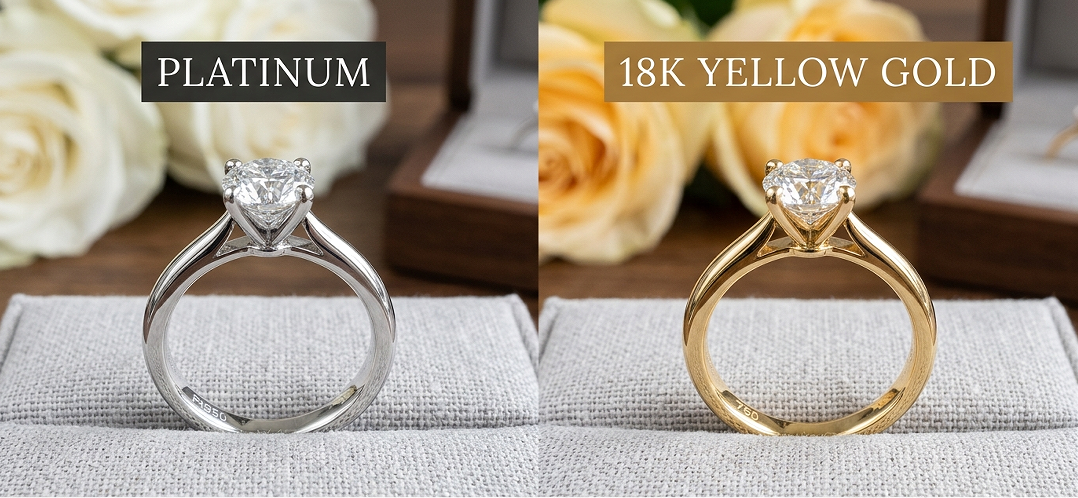
18K Gold is More Repair-Friendly Than Platinum
Think twenty or thirty years ahead. Your ring may need to be resized, or the setting might need a minor adjustment.
18K gold is a joy for jewelers to work with. It melts cleanly and solders invisibly. A skilled goldsmith can resize a gold ring so perfectly that it remains untouched by time.
Platinum is a different story. Its extremely high melting point requires specialized equipment and intense heat. Repairing or resizing platinum is not only more expensive but also riskier; if not done by a specialist with a laser welder, the repair can sometimes leave a faint “weld line” or a difference in metal texture. Choose the metal that makes future care easy and accessible.
When Should You Still Choose Platinum?
Platinum is not a wrong choice. It is just rarely the best choice for an engagement ring. But there are a few exceptions.
If you have a known allergy to nickel or other base metals, platinum is hypoallergenic and completely safe. (Note that most 18K gold alloys contain small amounts of nickel or silver, though hypoallergenic gold alloys do exist.)
If you genuinely love the look of a platinum patina—that soft, matte, velvety surface that develops over time—then by all means, choose platinum. That aesthetic is unique to the metal and cannot be replicated by gold.
If your ring design is extremely thin and delicate, the extra density of platinum might provide a psychological sense of substance, though it will not actually make the ring stronger.
For everyone else? Choose 18K gold.
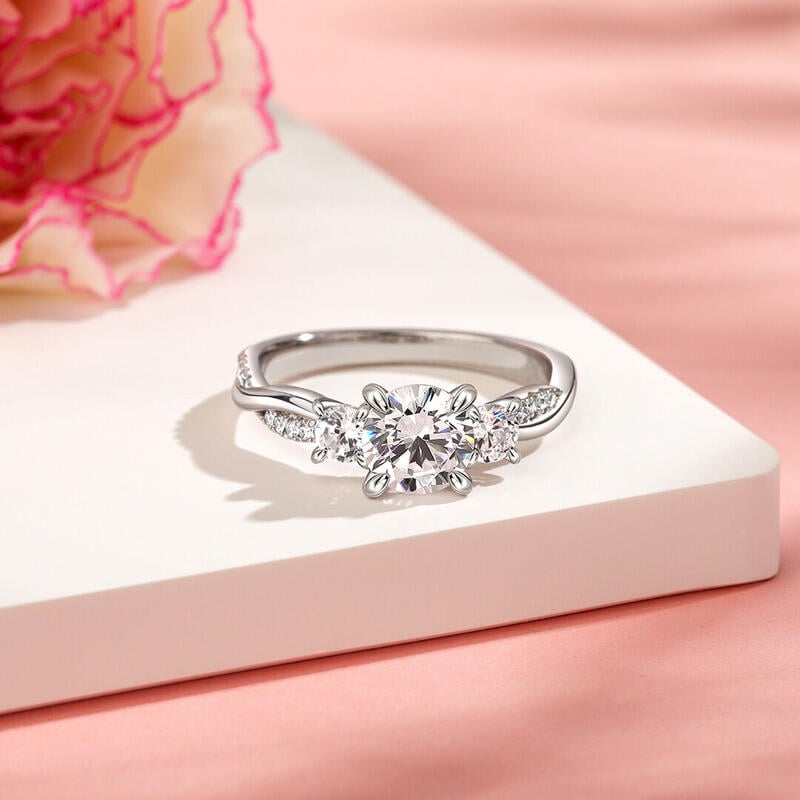
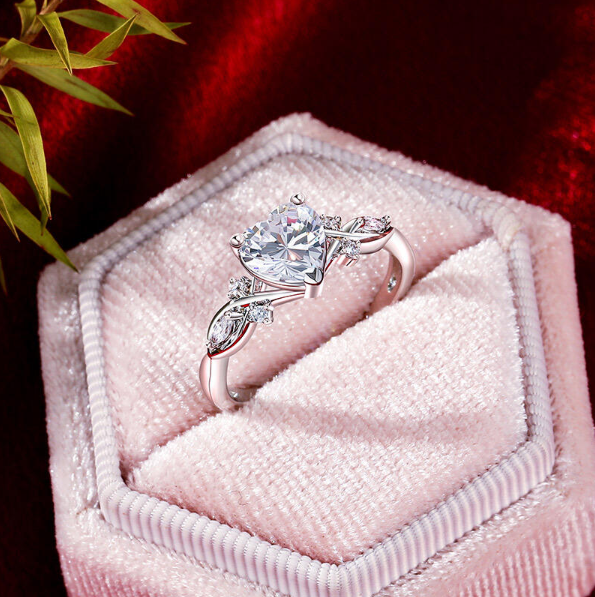
Final Thoughts
While platinum is often marketed as the ‘ultimate’ luxury, the practical reality is that 18K gold offers a superior harmony of structural integrity, optical brilliance, and long-term maintainability. Choosing 18K gold isn’t just a stylistic preference; it’s a smarter, more durable investment that ensures your ring remains as breathtaking decades from now as it is today. In the end, 18K gold remains the true gold standard for a lifetime of wear.
More Jeulia Post: