
For centuries, the skull has been one of the most recognizable and evocative symbols in human history. Often dismissed by the casual observer as purely “goth” or associated solely with death, the truth is far more complex. Across cultures and continents, skull jewelry has served as a profound canvas for personal expression, spiritual belief, and cultural heritage.
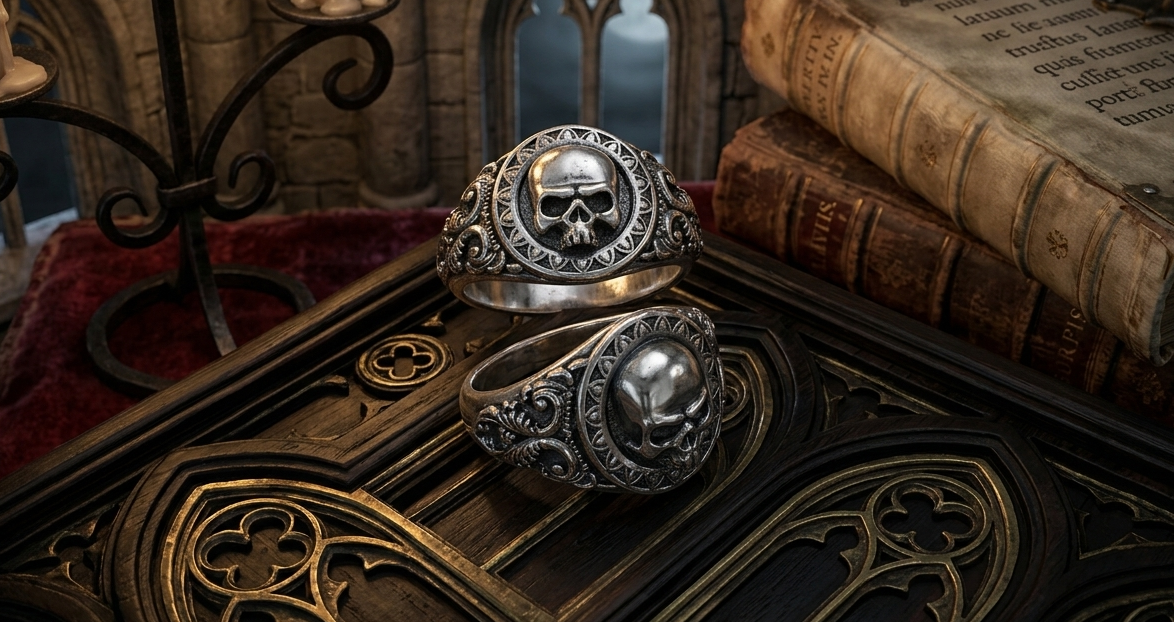
From ancient amulets to high-fashion runways, let’s travel the globe to uncover the multifaceted meanings behind skull jewelry.
Mexico: The Vibrant Celebration of Life (Día de los Muertos)
In Mexican culture, the skull is not a harbinger of doom, but a vibrant testament to the continuity of life. During Día de los Muertos (Day of the Dead), the calavera—often depicted as a decorated sugar skull—is a beloved icon.
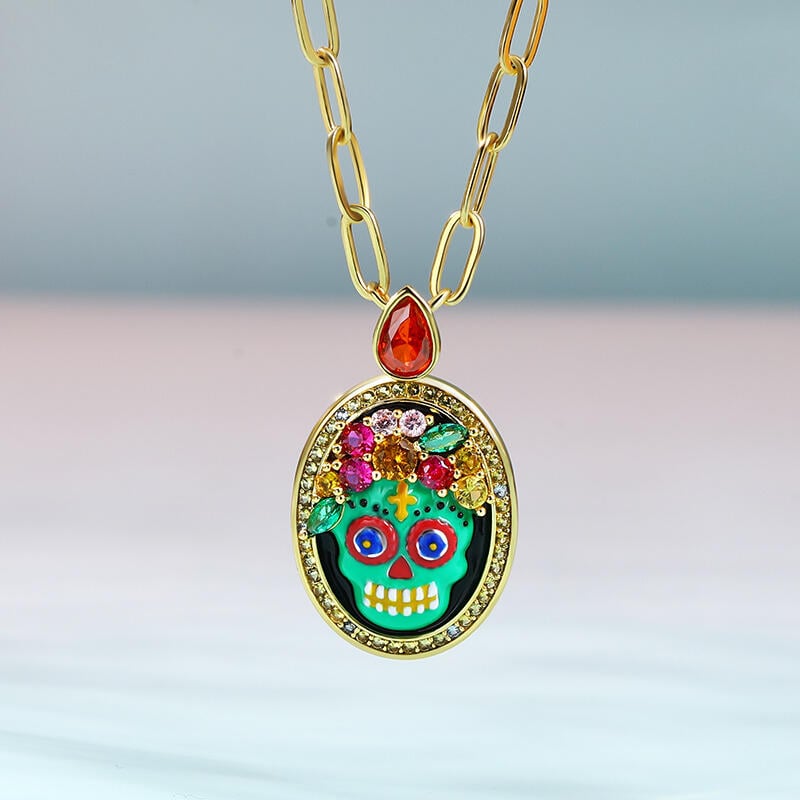
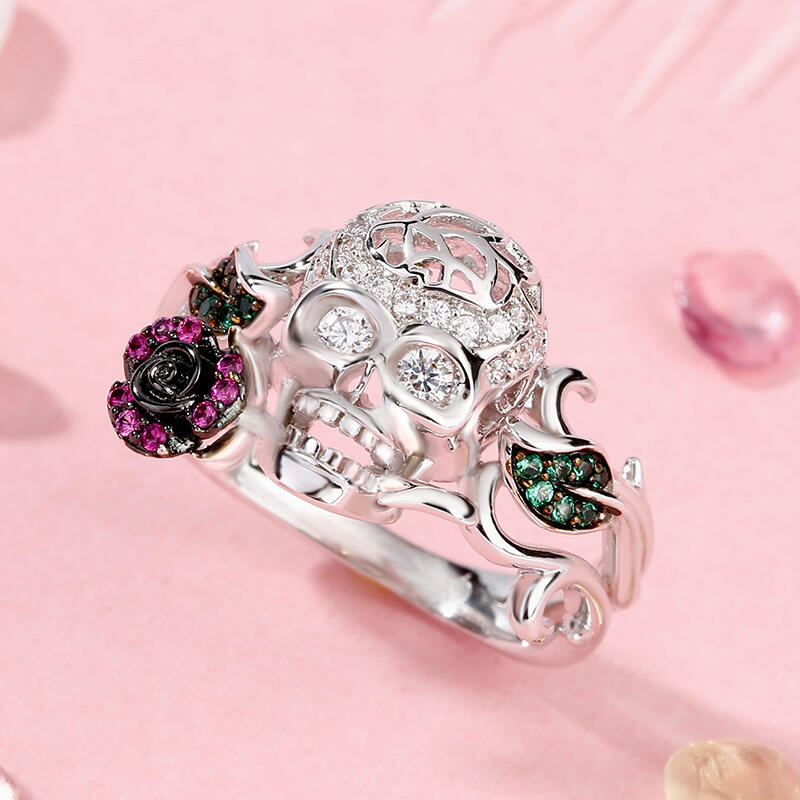
Skull jewelry in Mexico often features colorful enamel, floral patterns, and intricate metalwork. These pieces are worn as a celebration of ancestors and a reminder that death is simply a natural part of the human experience. It’s an aesthetic that is as joyful as it is profound.
Tibet and Nepal: The Sacred Kapala
In Tibetan Buddhism, the skull takes on a deeply spiritual meaning. Known as a kapala, the skull cup is a ritualistic object symbolizing the transformation of consciousness.
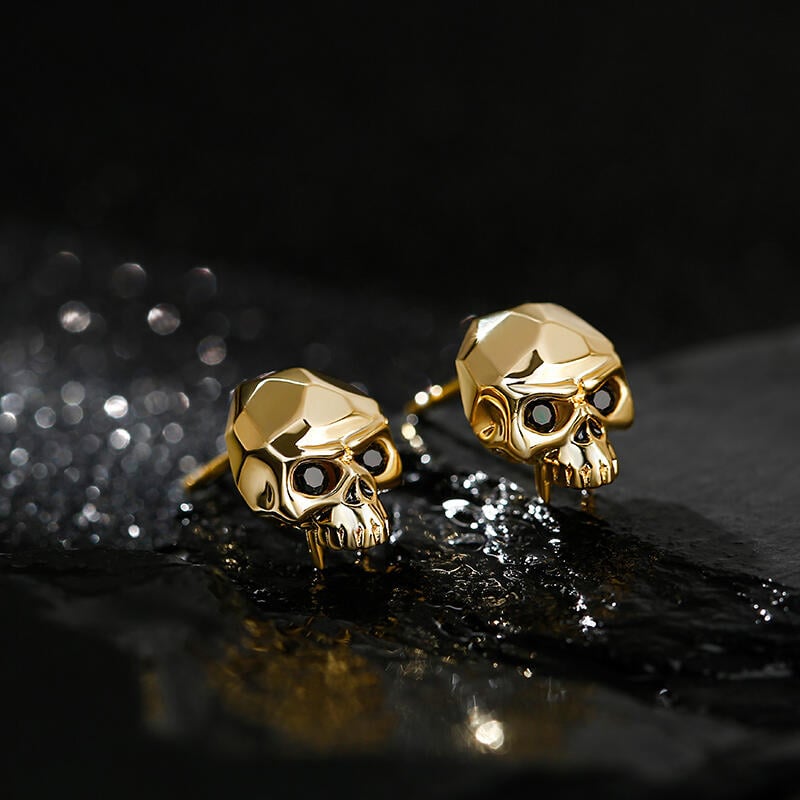
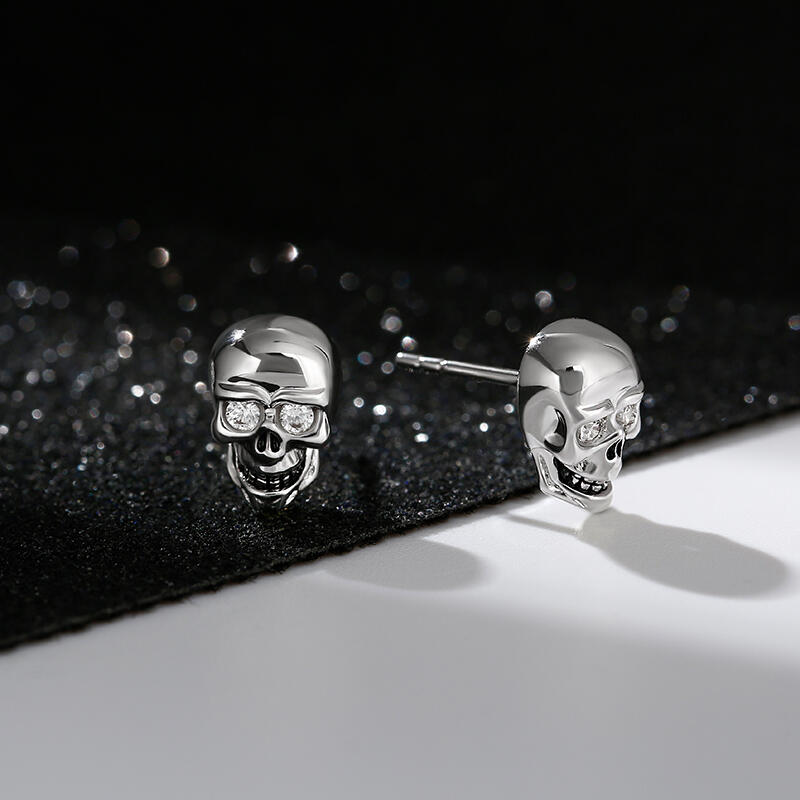
You will often see jewelry influenced by the Dharmapala, or “Protectors.” These intricate designs often feature skulls integrated with turquoise, coral, and silver. Here, the skull represents the concept of impermanence (anitya). Wearing a skull charm is a meditative reminder to live with presence and detachment, acknowledging that all material things are fleeting.
The Victorian Era: The “Memento Mori” Tradition
Travel back to 19th-century Europe, and you’ll find a different kind of skull fascination: Memento Mori. Translated as “remember you must die,” this was not a morbid obsession, but a way to live life to the fullest.
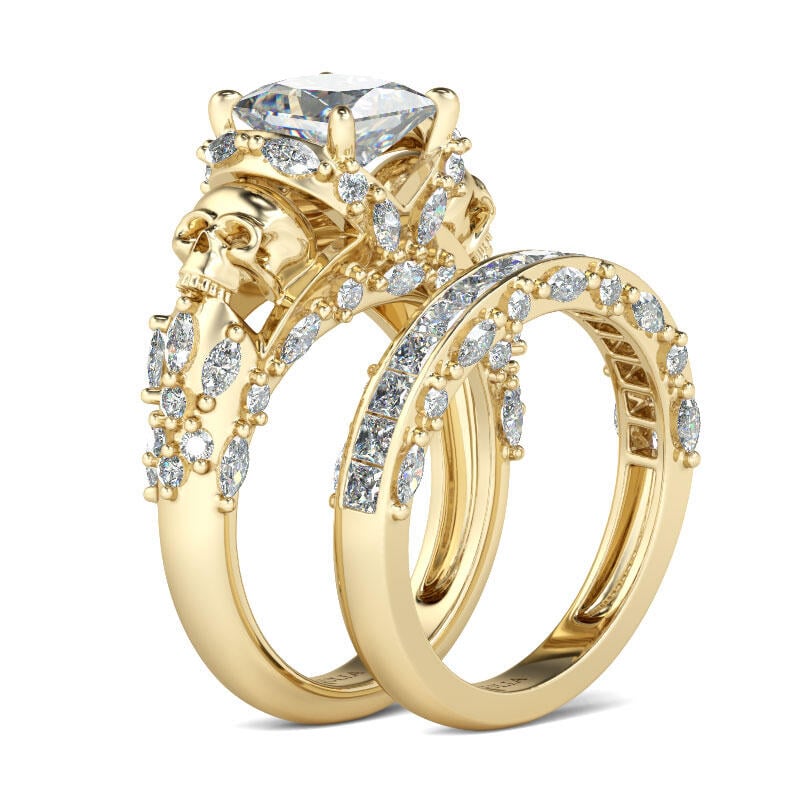
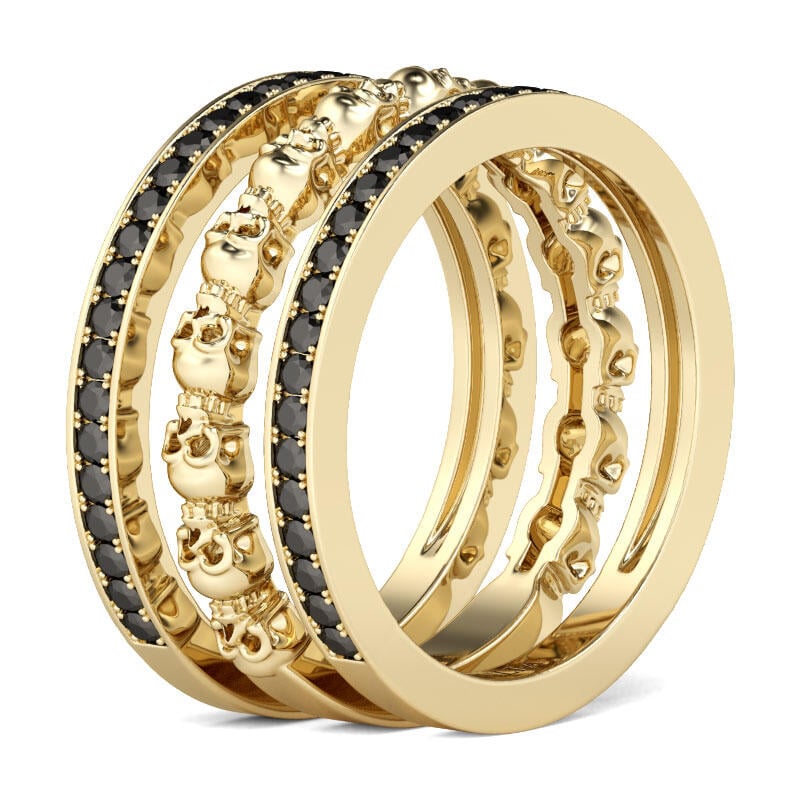
Victorian jewelry—often crafted in black onyx, jet, or gold—frequently incorporated skulls, skeletons, and coffins. These were often mourning pieces, worn to honor a lost loved one, turning grief into a wearable work of art that highlighted the precious, fragile nature of our time on Earth.
The Global Counterculture: Rebellion and Individuality
In the mid-20th century, the skull was reclaimed by biker culture, rock-and-roll, and punk movements. Why? Because the skull is the ultimate equalizer. Flesh, status, and wealth eventually strip away, leaving only the bone.
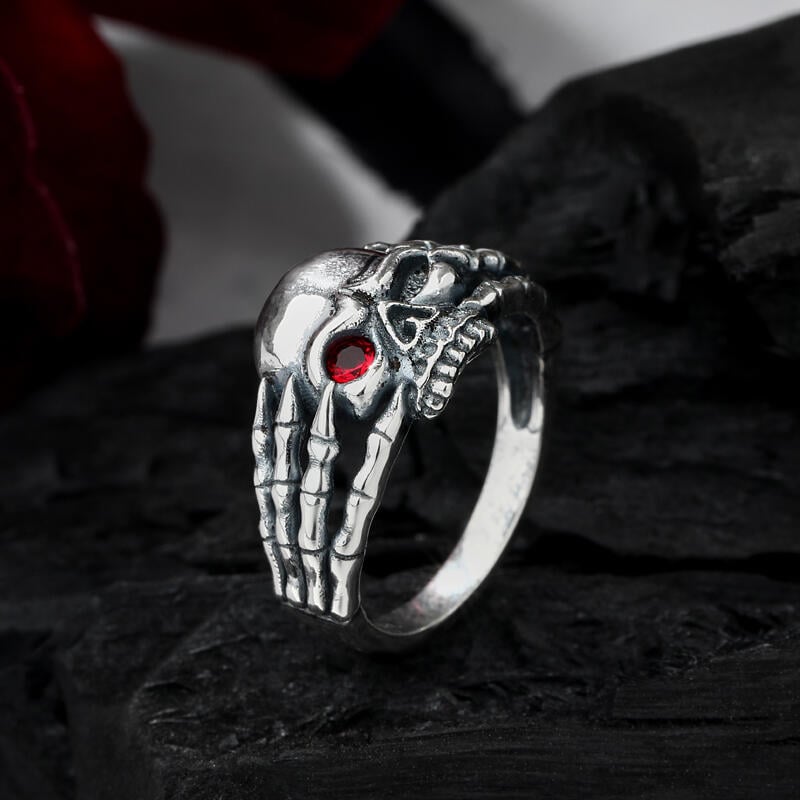
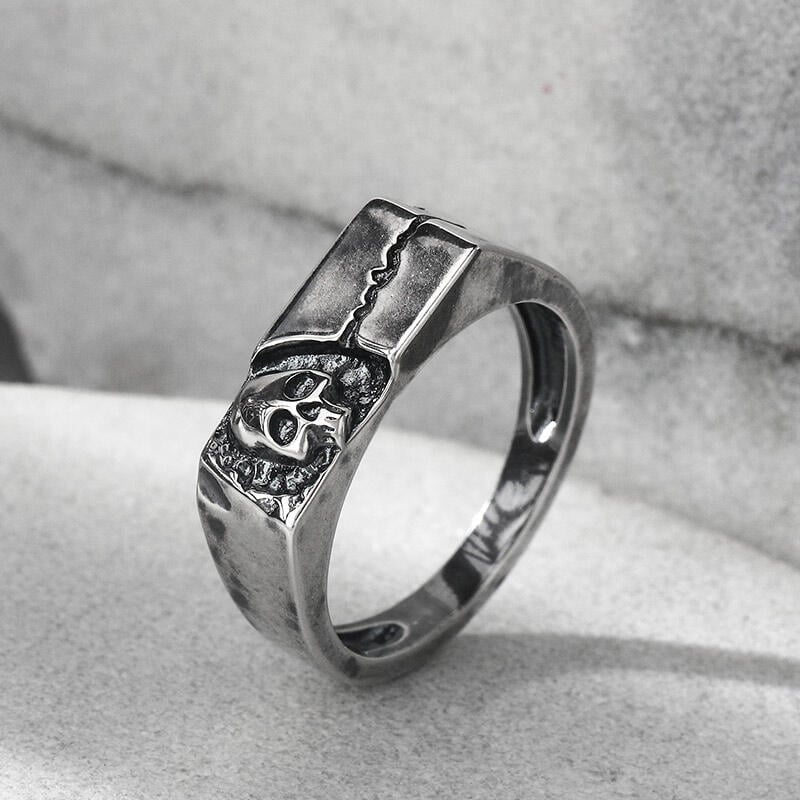
In this context, skull jewelry became a symbol of non-conformity. It said: “I am not afraid of societal judgment.” Today, brands from high-end luxury houses to independent artisans continue to lean into this edgy heritage, using the skull to convey strength, protection, and an unapologetic sense of self.
Why We Still Wear Skull Jewlery?
Why does this motif—which dates back to the dawn of civilization—refuse to go out of style?
Perhaps it’s because a skull is the most “human” thing we have. It is the vessel for our thoughts, our laughter, and our identity. When we wear skull jewelry, we are participating in a global conversation about mortality, legacy, and the audacity to exist.
- For some, it’s a talisman of protection.
- For others, it’s a tribute to a loved one.
- For many, it’s simply a reminder to live today as if it’s the only time we have.
How to Style Your Skull Jewelry
If you’re looking to incorporate this timeless icon into your wardrobe, remember that balance is key.
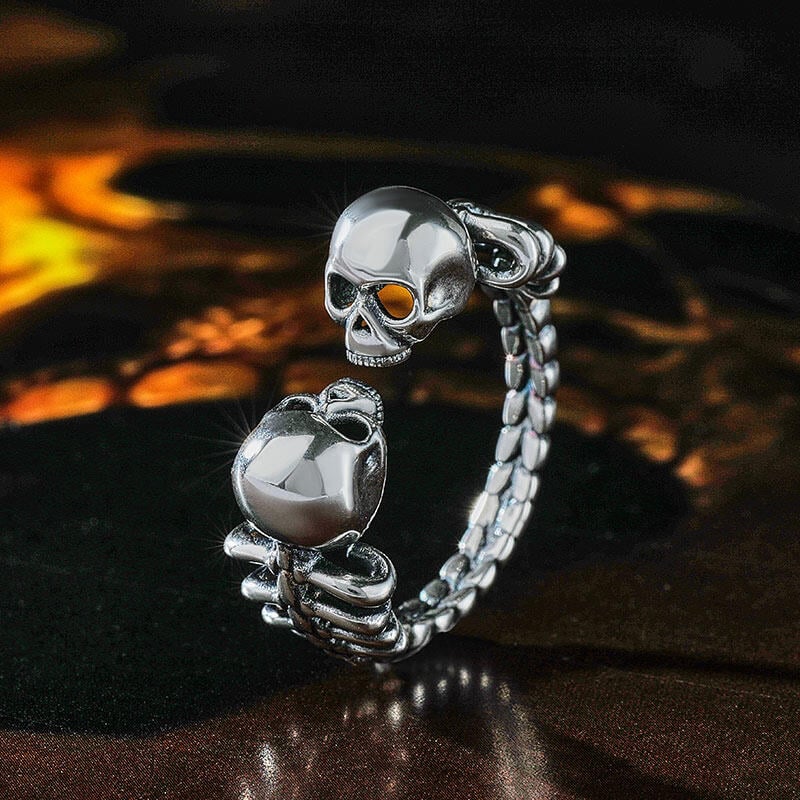
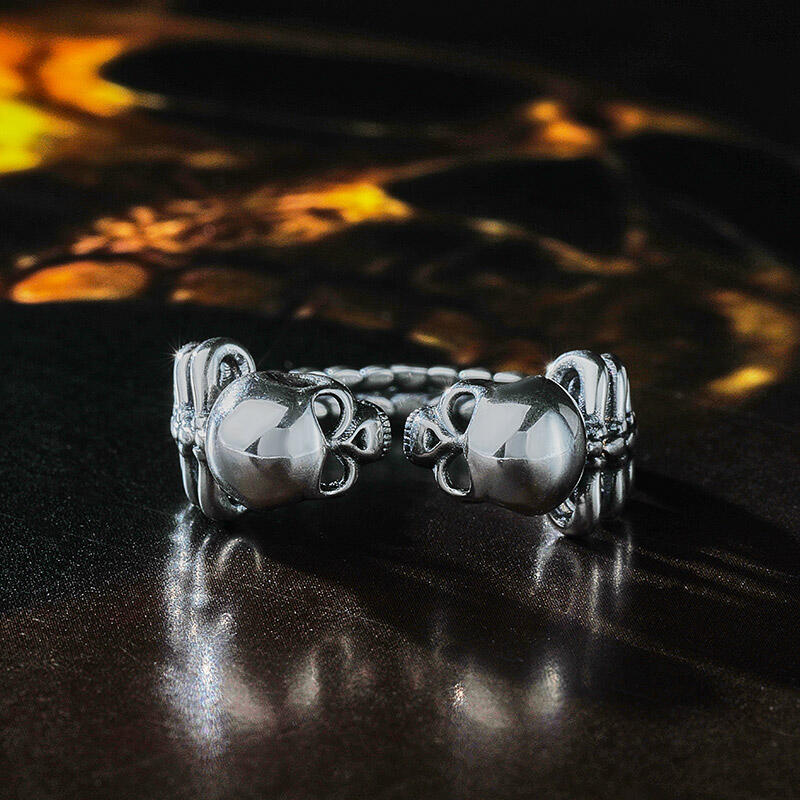
- The Minimalist Approach: Pair a delicate, small silver skull ring with a simple chain for a subtle everyday look.
- The Statement Look: Stack chunky skull rings with leather accessories for a bold, rock-inspired aesthetic.
- The Cultural Homage: Look for artisans who use traditional techniques or stones (like turquoise or obsidian) to celebrate the deeper, symbolic roots of the skull.
FAQ about Skull Jewelry
Q:What is “iced out” skull jewelry?
“Iced out” refers to jewelry covered in gemstones. In the context of skull rings or pendants, this usually means the skull is encrusted with diamonds, cubic zirconia, or colored stones in the eyes or across the teeth. This style is heavily influenced by American Hip-Hop fashion.
Q:Why is skull jewelry often so expensive?
A:Much of the high-quality skull jewelry is “lost-wax cast.” This is a labor-intensive process where an artisan hand-carves a wax model, creates a mold, and pours the metal. The cost reflects the weight of the precious metal used, the level of hand-detailing (such as stone setting or hand-polishing), and the artisan’s time.
Q:What are the most common metals used for skull jewelry?
A:Sterling Silver (.925): The industry standard. It is durable, polishes to a high shine, and takes “oxidization” (antiquing) very well, which helps define the eye sockets and teeth of a skull design.
Stainless Steel: Very popular for affordable, everyday wear. It is hypoallergenic, scratch-resistant, and won’t tarnish.
Gold (10K, 14K, 18K): Used for luxury or statement pieces, often iced out with diamonds or gemstones.
Brass/Bronze: Often used for a “vintage” or rustic look that patinas over time.