
If you’ve ever Googled “how much should a wedding ring cost,” you’ve probably seen numbers ranging from $150 to $10,000+. Maybe you’ve also heard the old three-month salary rule for engagement rings (and by extension, wedding bands)—a marketing ploy, not actual advice. The range is huge, especially when you’re already budgeting for a wedding.
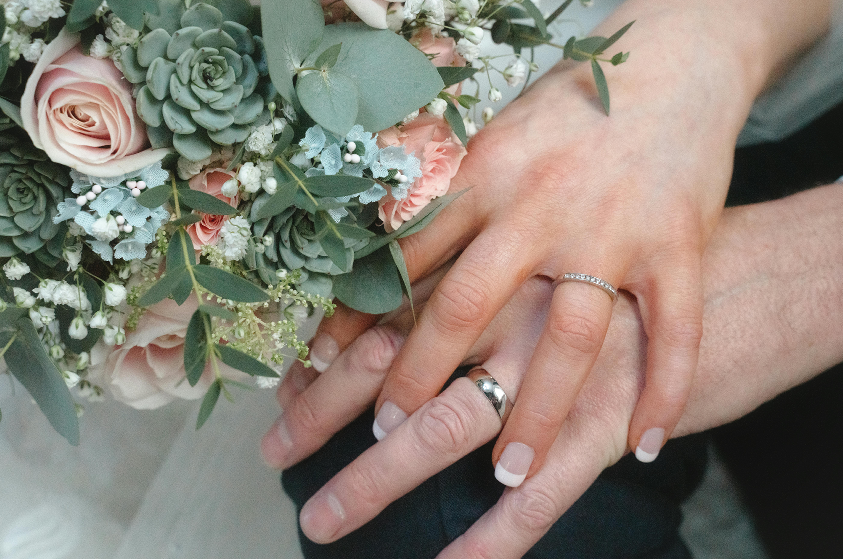
So forget the rules, let’s focus on what you actually want and what you can comfortably afford. Still wondering how much a wedding ring costs? Honestly, there’s no one-size-fits-all answer. The “right” price is the one that aligns with your values, your finances, and the story you want your ring to tell. In this post, we’ll break down the key factors that influence the cost of a wedding ring, help you get the best value, and guide you toward a budget and a ring you’ll truly love.
Navigate to:
Three Factors That Affect the Cost of Wedding Rings
The cost of a wedding ring depends on three main factors: the metal type, gemstone, and overall design. Each of these elements offers a wide spectrum of choices that can cause the price to range from a few hundred to several thousand dollars.
Metal Type
Gold remains the most traditional and popular choice for wedding rings, available in three classic variations—yellow gold, white gold, and rose gold—typically in 14k or 18k purity. 14k gold, composed of 58.3% gold mixed with other metals for strength, is the more durable and scratch-resistant option—ideal for everyday wear at a relatively affordable price point. 18k gold, with 75% gold content, offers a richer, more vibrant color and a higher precious metal purity, but it’s slightly softer and commands a premium price due to the increased gold content. For a premium, lifetime-wear option, platinum is exceptionally durable and hypoallergenic, though it comes with a higher price tag. More affordable alternatives include sterling silver, which offers classic beauty with proper care, and modern metals like titanium, tungsten, and stainless steel—popular for men’s bands due to their durability and budget-friendly cost, offering a sleek, modern aesthetic without breaking the bank.
Gemstone
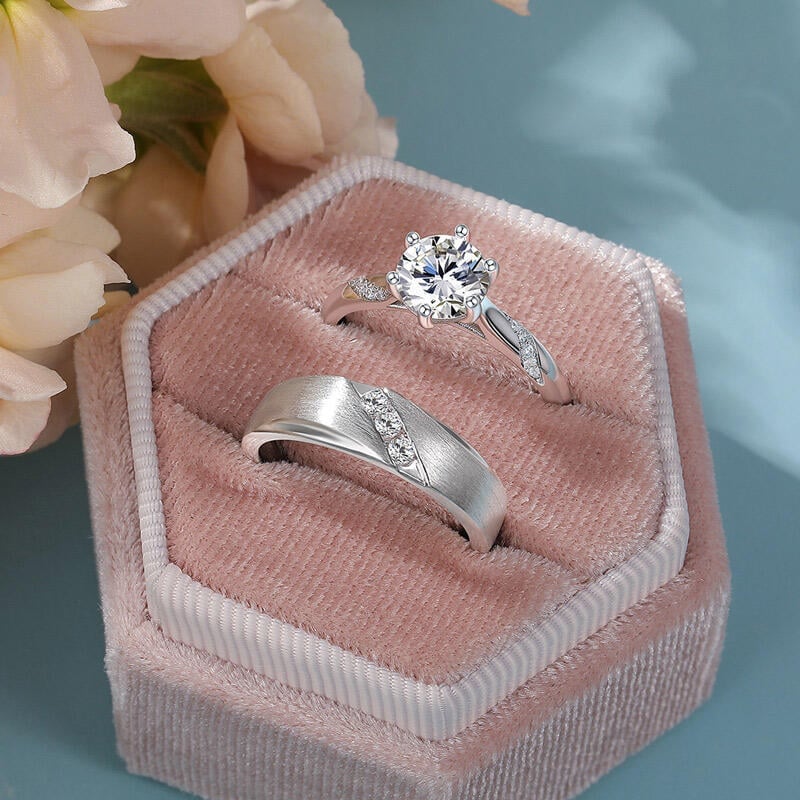
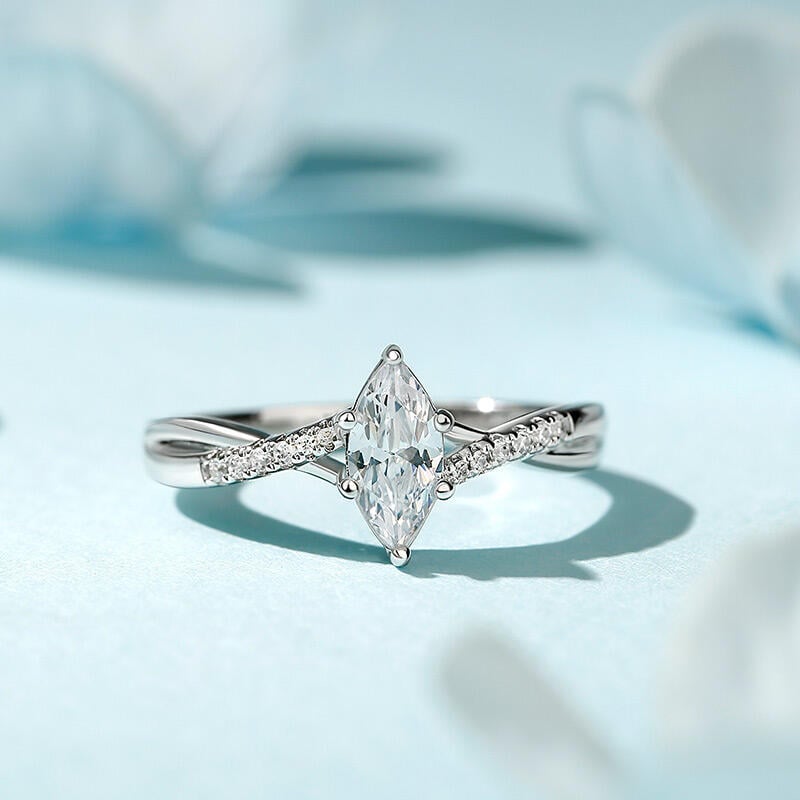
The presence—or absence—of a gemstone is one of the most significant factors influencing the cost of a wedding ring. Diamonds are the most traditional choice, and their price is determined by the 4Cs: carat weight, color, clarity, and cut. A larger carat weight, higher color grade (like D or E), fewer inclusions, and an excellent cut can exponentially increase the price. But beyond diamonds, there are equally beautiful alternatives that offer more flexibility without compromising on style. Lab-grown diamonds, which are chemically identical to natural diamonds but typically 30–40% less expensive. Another brilliant alternative is moissanite, a gemstone that rivals diamonds in fire and brightness at a fraction of the cost. If you’re drawn to something with a hint of color, colored gemstones like sapphires, rubies, and emeralds offer timeless elegance. For an even more budget-friendly pop of color, gemstones such as amethyst, topaz, and morganite provide beautiful, vibrant options that allow for personalization without stretching your budget.
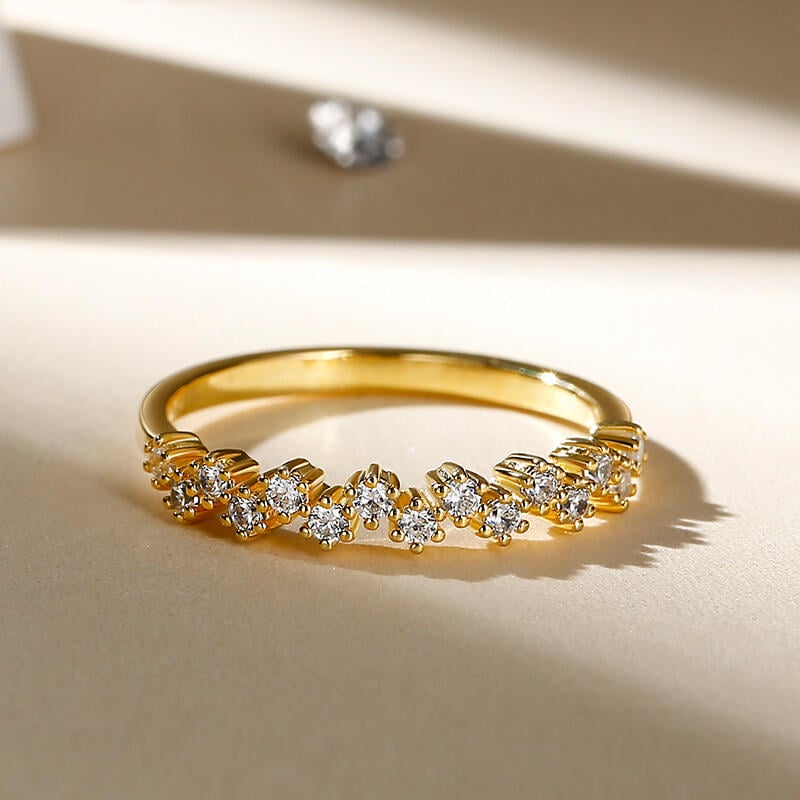
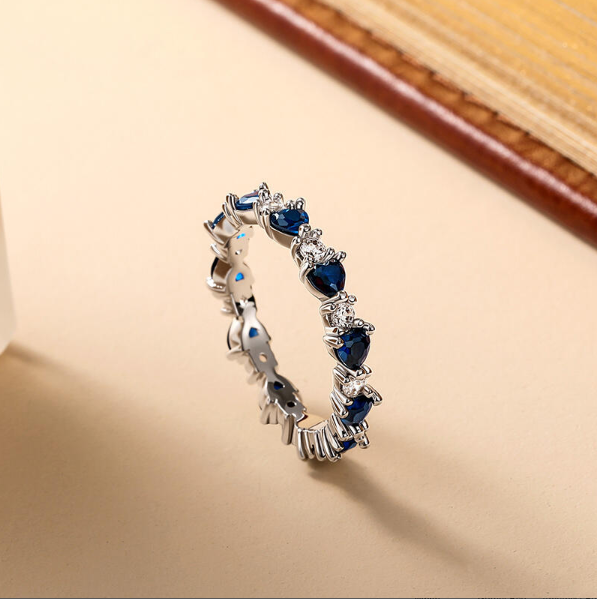
Of course, not every wedding ring includes a gemstone. Classic plain bands, which rely solely on the beauty of the metal, are also a good choice—proving that sometimes, simplicity speaks volumes.
Did you know? A 0.10‑carat moissanite can look virtually identical to a 0.05‑carat diamond at a fraction of the cost (≈1/5 the price).
Design Complexity and Craftsmanship
A simple, high-polish classic band is the most affordable option because it requires less labor. More intricate designs—such as milgrain edges, hand-engraving, or matte finishes—demand more time and skill, which drives the price higher. A mass-produced “stock” ring will always be more budget-friendly than a custom-designed piece. Adding a short engraved message or date typically costs between $20 and $50. For a fully custom design—such as a unique shank shape or mixed metals—you can expect to pay an additional $300 to $1,200, depending on the complexity of the work.
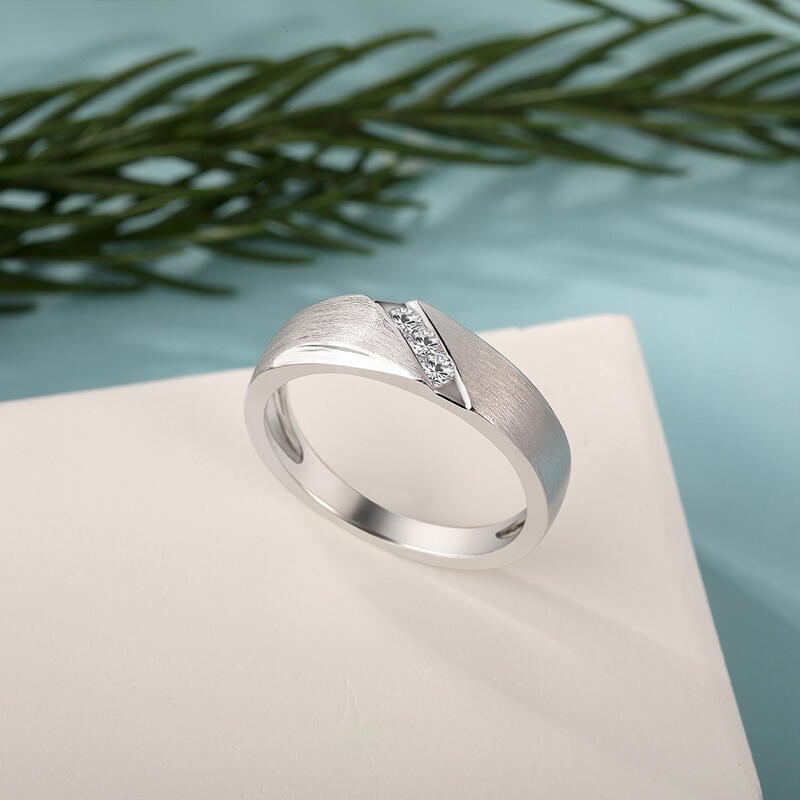
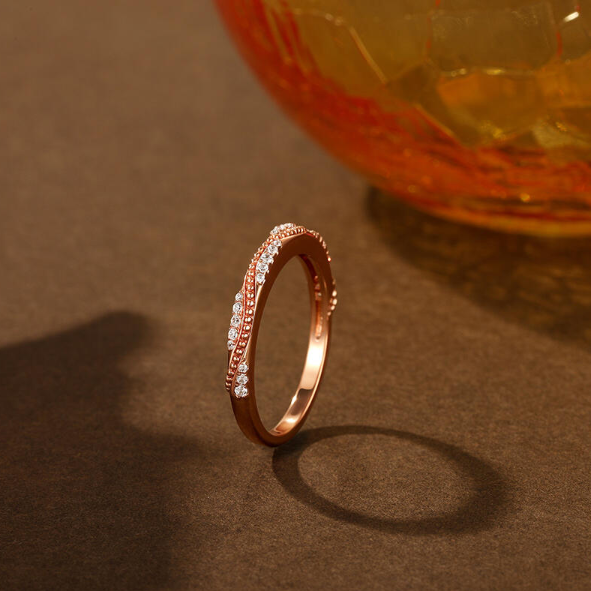
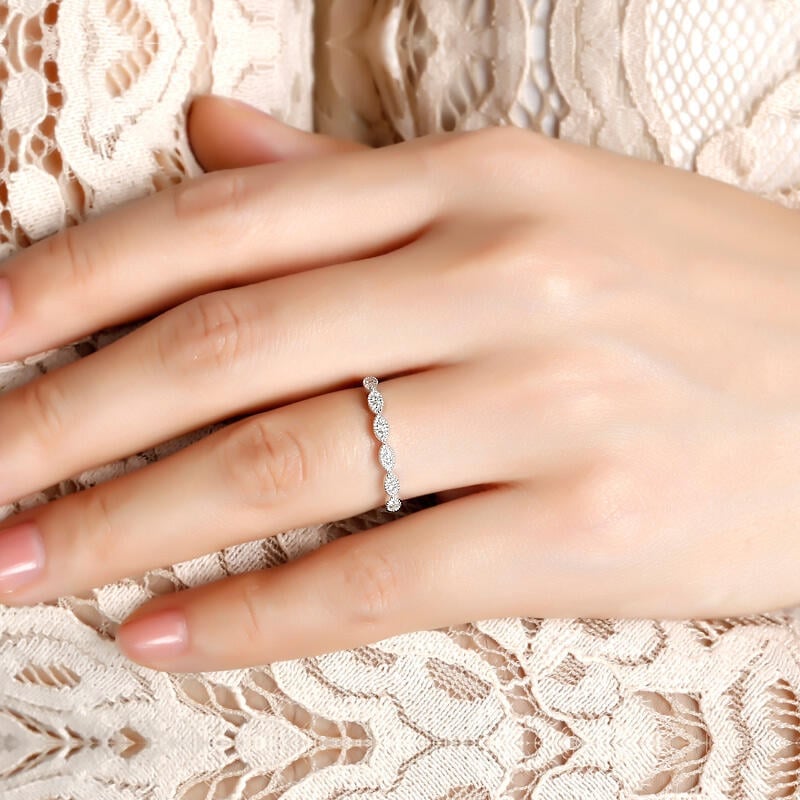
What Is the Average Cost of a Wedding Ring?
The cost of a wedding band is typically less expensive that an engagement ring. According to Brides, a wedding band’s cost usually starts around $700, but customization can push it to $1,500 or more.
How to Find an Affordable Wedding Ring?
Now that you understand the main factors that influence the cost of a wedding ring—metal type, gemstone, and design complexity—setting a budget becomes a much clearer and more manageable task. But knowing your budget is just the start. Finding an affordable ring you’ll love takes strategy.
Set a Realistic Budget Together
First, honestly assess your finances. Consider your income, expenses, and shared goals. A ring shouldn’t compromise your financial peace of mind. Once you have a realistic number, discuss styles with your partner early to narrow options and avoid compromises later.
Shop the Wedding Season Sales
Timing can also make a big difference. Shopping during seasonal sales—such as Black Friday, holiday promotions, or end-of-year clearance events—can lead to significant savings on fine jewelry. Many jewelers offer discounts during these periods, making it the perfect time to find a quality piece at a lower price.
Consider Pre‑Owned or Estate Rings/ Recycled Metals
Another smart approach is to consider pre-owned or estate rings. They offer unique character and vintage charm at a fraction of retail prices. Finally, sk about recycled metals; they’re often cheaper than newly mined materials and more sustainable.
By combining these strategies—smart budgeting, clear communication, timely shopping, and exploring alternative options—you can find a wedding ring that feels priceless in meaning without being priceless in price.
FAQs
Q: What hand does a wedding ring go on?
A: The wedding ring is traditionally worn on the left ring finger in many Western countries, rooted in the ancient Roman belief that the “vena amoris” (vein of love) runs directly to the heart; however, the choice varies worldwide—many Eastern European nations like Russia and Poland, along with Greece, Germany, and parts of Scandinavia, typically wear it on the right hand, influenced by Orthodox traditions or historical customs.
Q: Is the engagement ring the same as the wedding ring?
A: No, an engagement ring and a wedding ring are not the same; an engagement ring is typically given at the moment of a proposal and often features a prominent center stone, while a wedding ring (or wedding band) is exchanged during the wedding ceremony and is usually a simpler metal band—sometimes plain, sometimes inset with stones.
Q: How do you wear wedding band with engagement ring?
A: Traditionally, the wedding band is worn on the left ring finger first (closest to the heart), followed by the engagement ring on top, a custom that keeps the band nearest the heart and helps secure the engagement ring in place; however, some prefer to wear the engagement ring underneath or even on the right hand, while others opt to have the rings soldered together after the wedding for a seamless look.
More Jeulia Post: