
For decades, engagement rings were typically worn by women. But as traditions evolve alongside our modern understanding of partnership, a new question emerges: do men wear engagement rings now? Let’s explore the answer together.
Do Men Get Engagement Rings?
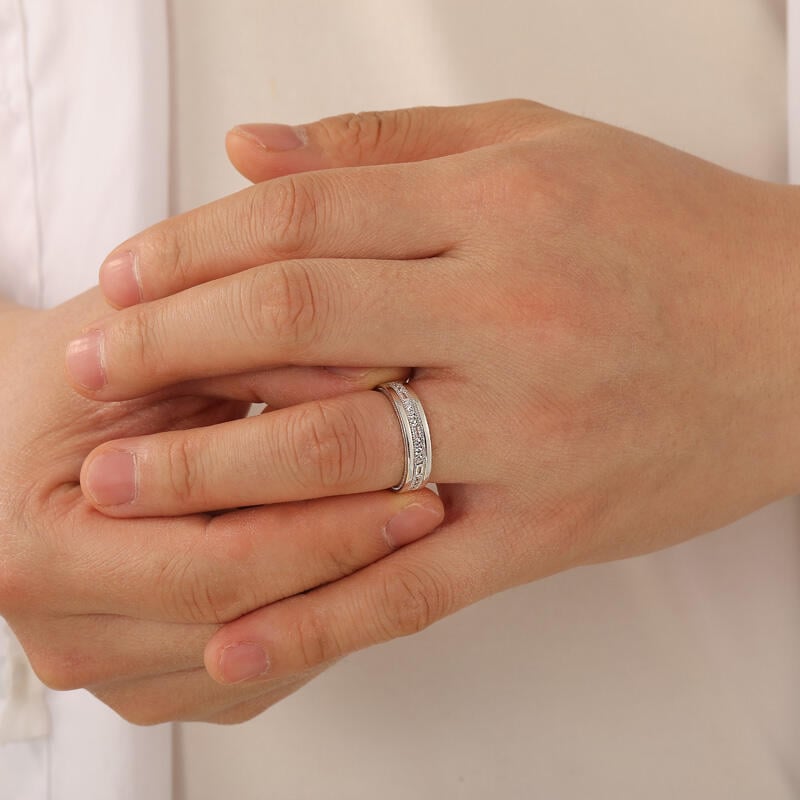
This is perhaps the biggest shift in modern engagement culture. While it was once almost exclusively the woman who received and wore an engagement ring, today, it’s increasingly common for men to get engagement rings, Often referred to as “man-gagement rings,” “commitment rings,” or simply “engagement rings for men,” this trend has been gaining significant momentum.
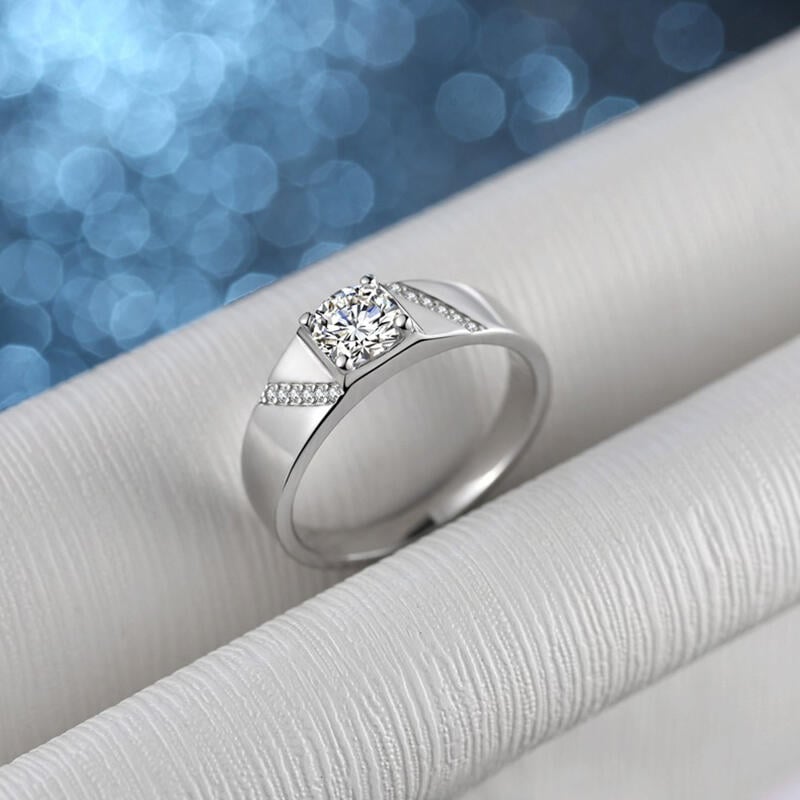
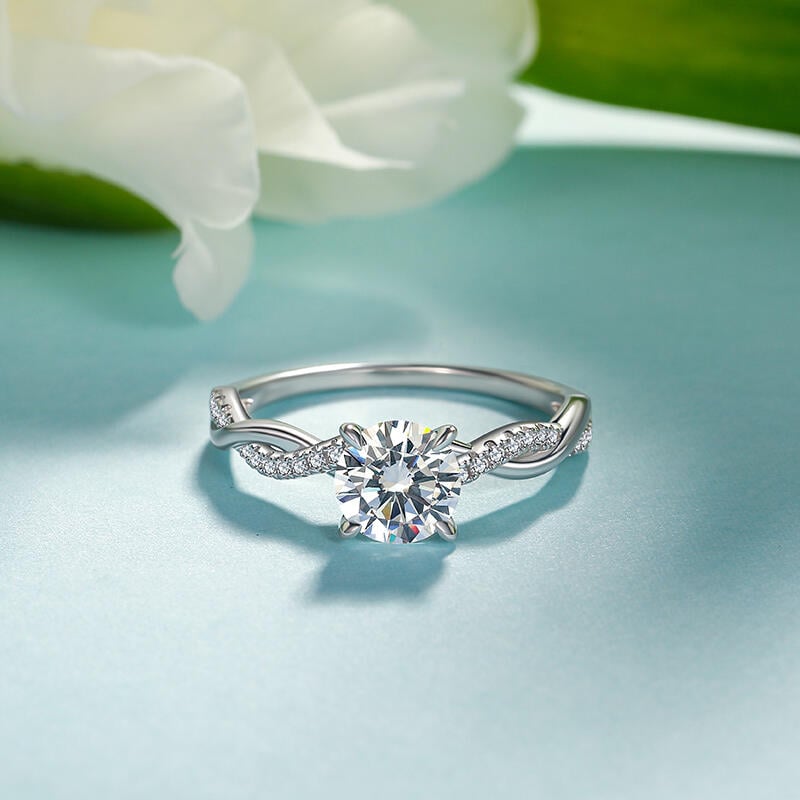
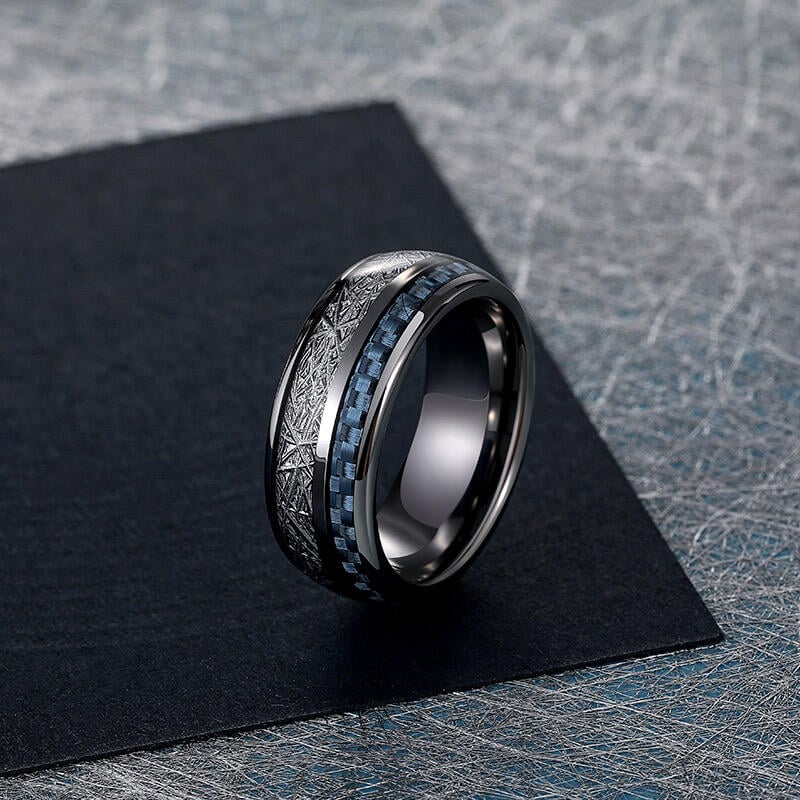
Do Both Partners Wear Engagement Rings?
The simple answer is yes, both partners can and increasingly do wear engagement rings.
Historically, men typically didn’t wear engagement rings. The concept was almost unheard of in mainstream Western culture. If a man wore any ring before his wedding band, it was usually a family signet ring or a fashion statement, not a symbol of betrothal. The idea of a “mangagement ring” (a playful portmanteau) was often met with confusion or even seen as unconventional.
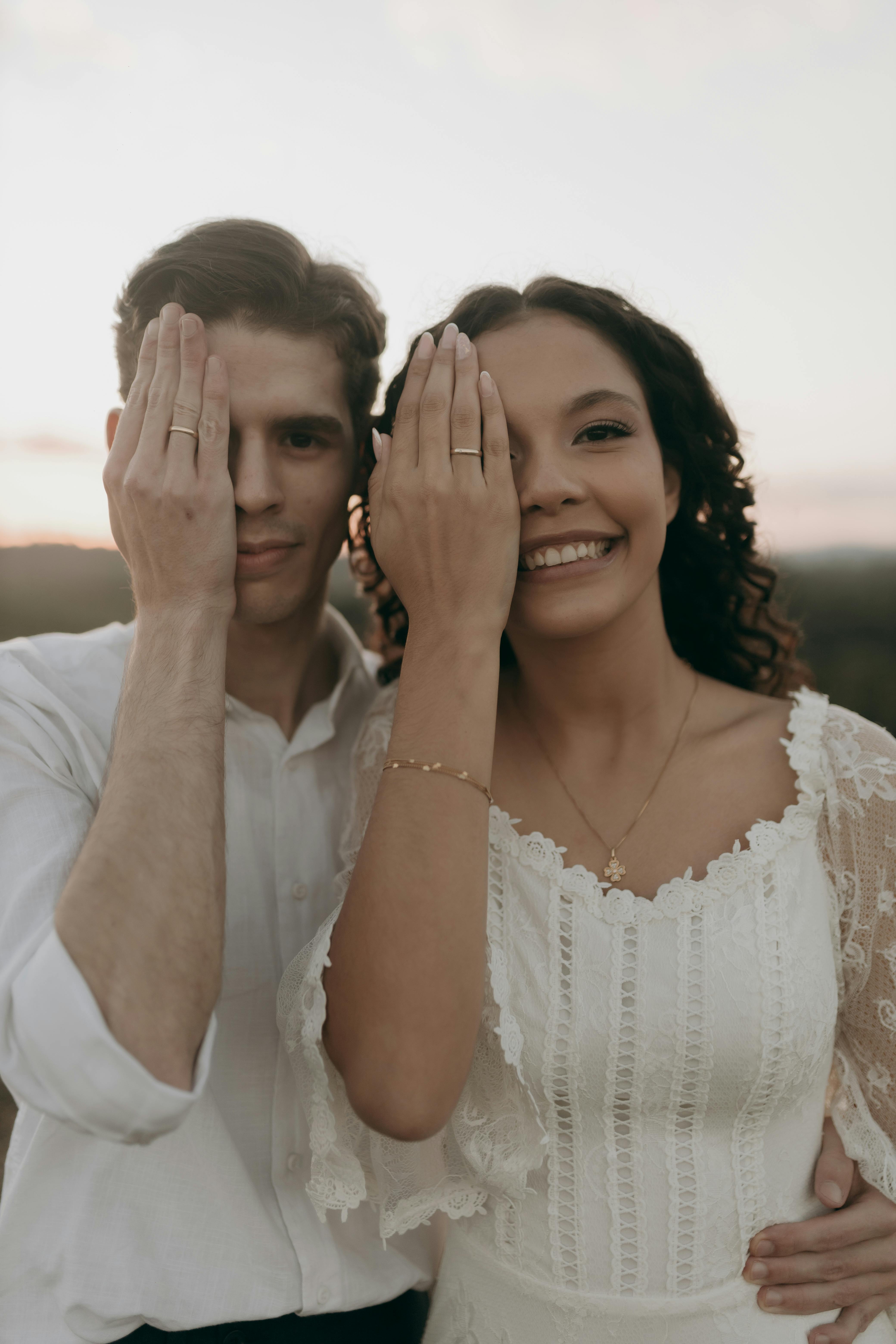
Fast forward to today, and men’s engagement rings are firmly on the rise! It’s no longer a niche trend for men wearing an engagement ring but a growing expression of modern love. Celebrities, influencers, and everyday couples are embracing the idea of a male engagement ring (or simply, an engagement ring). They wear them with pride, just as their partners do, as a constant reminder of their impending marriage and the love they share.
Cultural & Religious Perspectives
| Culture/Religion | Traditional Practice | Modern Adaptation |
|---|---|---|
| Western (US/Europe) | Bride‑only engagement ring (diamond). | Many couples now wear matching or complementary rings. |
| Jewish | Rings are optional; the ketubah holds the legal agreement. | Some couples exchange two identical bands during the chuppah ceremony. |
| Hindu | Both partners wear Mangalsutra after marriage; engagement rings are a modern addition. | Dual engagement rings are becoming popular among urban couples. |
| Muslim | No specific engagement ring tradition; modest jewelry is preferred. | Some couples adopt simple gold bands for both parties. |
| African (various) | Symbolic beads or cowrie shells may replace rings. | Contemporary couples blend traditional beads with metal rings for a hybrid look. |
What’s Driving Men to Wear Engagement Rings?
- Equality and Shared Commitment: Modern relationships are often built on a foundation of equality. A mutual engagement ring symbolizes a shared promise, a visible sign that both individuals are equally committed to the journey towards marriage.
- Visibility for All: For same-sex couples, the concept of “who proposes” and “who wears the ring” has always been more fluid, naturally leading to both partners wearing engagement rings. This trend has since influenced heterosexual couples, who see the beauty in mutual representation.
- Personal Preference: Ultimately, it boils down to what feels right for the couple. If both partners want to publicly declare their intent to marry, a ring is a beautiful way to do it.
What Hand Does the Engagement Ring Go on?
The traditional placement of engagement rings is on the fourth finger of the left hand, often called the “ring finger.” This tradition is believed to originate from an ancient Roman belief that a vein, called the “vena amoris” (vein of love), ran directly from this finger to the heart. While anatomically questionable, the sentiment is enduring!
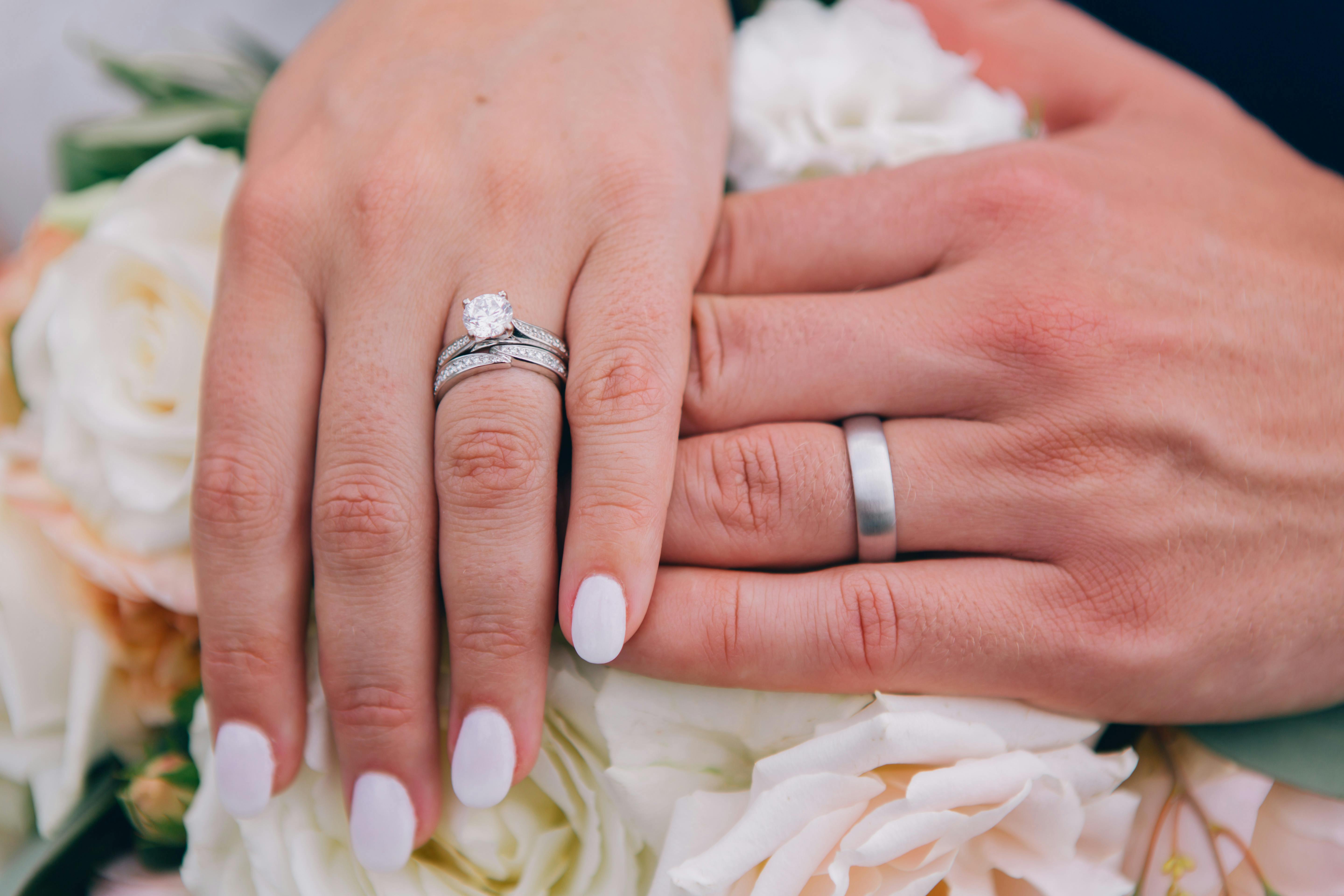
However, cultural norms vary globally. In some countries (like Germany, Russia, India, and parts of Eastern Europe), rings are worn on the right hand. Ultimately, the choice is personal and often influenced by family tradition or comfort.
How to Wear Engagement and Wedding Rings?
This is a common point of confusion! Here’s the general etiquette for stacking your rings:
- Wedding Band First: On your wedding day, after you exchange vows, the wedding band is typically placed on your ring finger first. The traditional reasoning is that the wedding band (symbolizing eternal love and commitment) should be closest to your heart.
- Engagement Ring Second: Your engagement ring then goes on top of your wedding band, securing it in place.
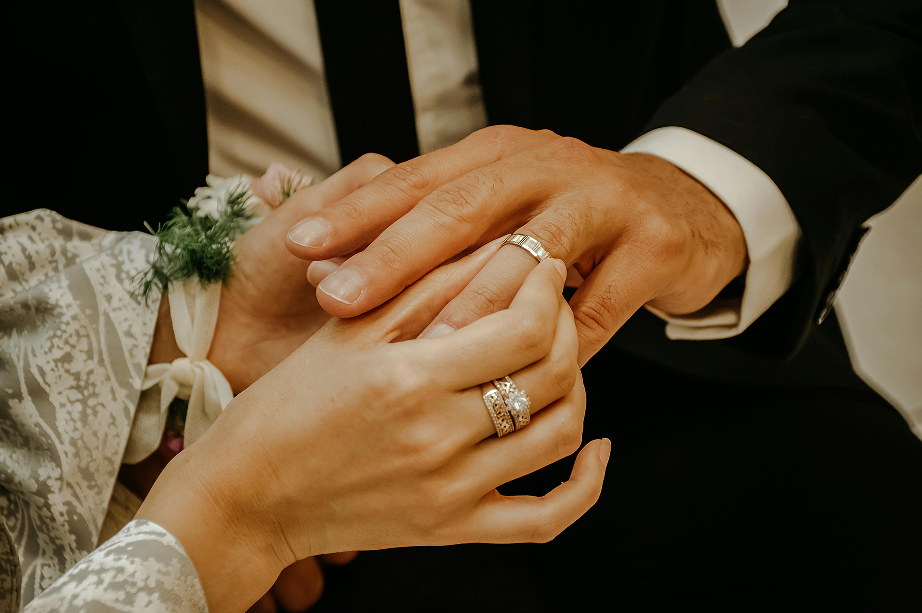
Some couples choose to have their engagement ring and wedding band custom-made to fit together perfectly, either designed as a set or even soldered together after the wedding for a seamless look.
Is the Engagement Ring Worn on the Wedding Day?
Yes, but with a slight adjustment during the ceremony! You don’t want your beautiful engagement ring to block your partner from placing the wedding band directly onto your finger.
Here are the most common approaches:
- Switch Hands: Wear your engagement ring on your right hand during the ceremony. After the wedding band is placed on your left ring finger, you can then switch your engagement ring back to your left hand, placing it on top of the wedding band.
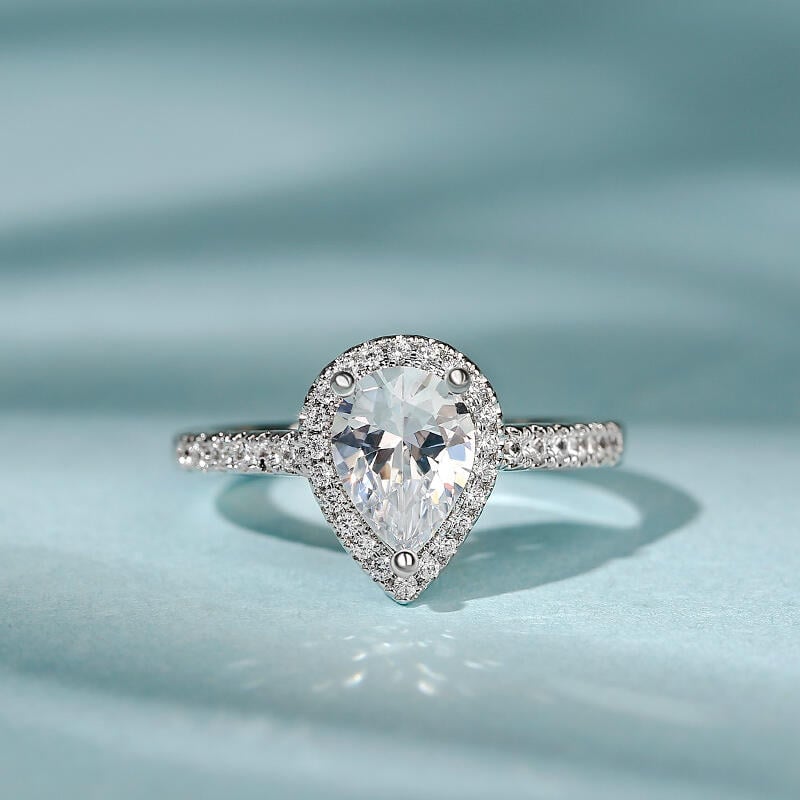
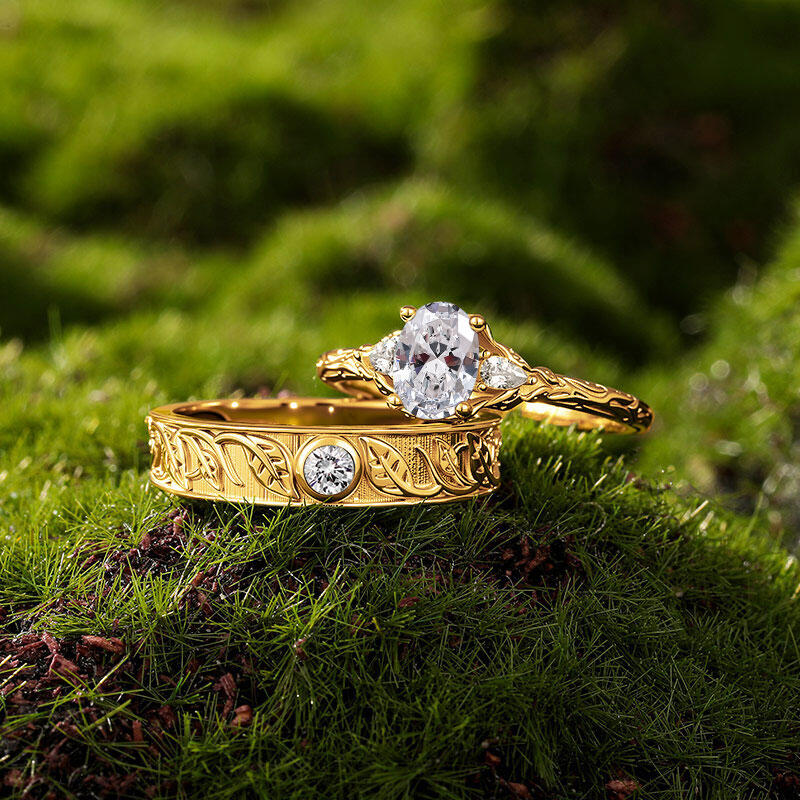
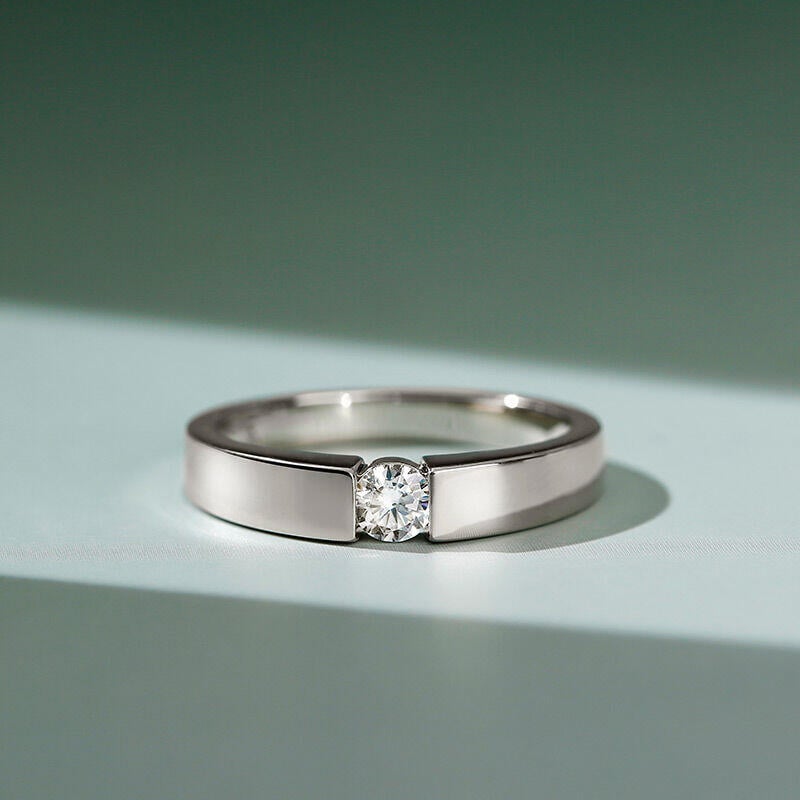
- Don’t Wear It Down the Aisle: A simpler approach is to simply not wear your engagement ring down the aisle. Have your maid of honor or a trusted family member hold it. After the wedding band is on your finger, you can immediately place your engagement ring on top.
- Wear It, Then Move It: Some couples wear the engagement ring as usual but briefly slide it off or up their finger when the wedding band is being placed, then slide it back down.
Choose whichever method feels most comfortable and least stressful for your big day!
Men’s Engagement Ring Styles
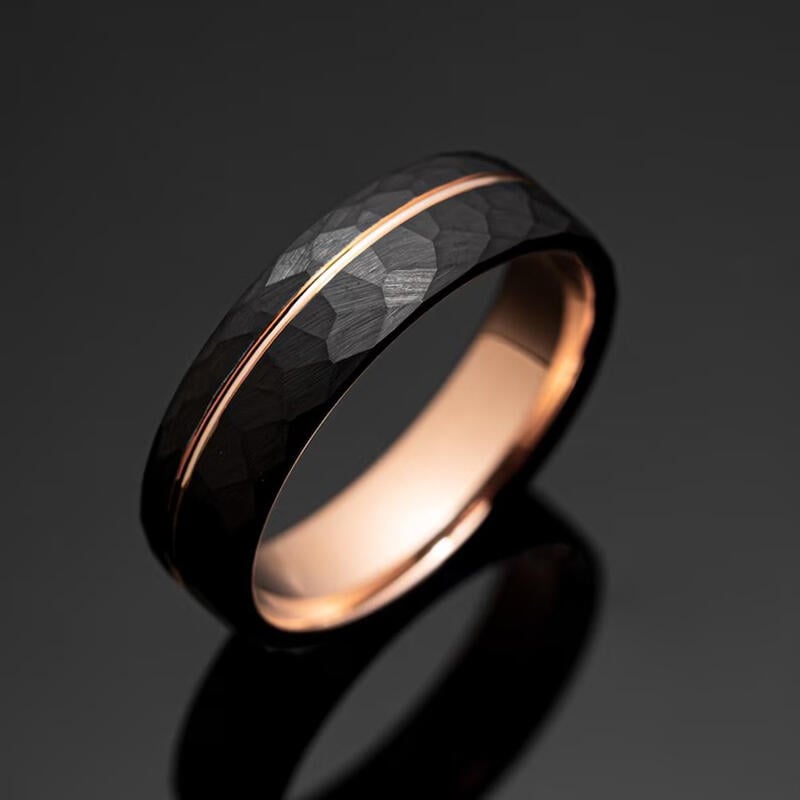
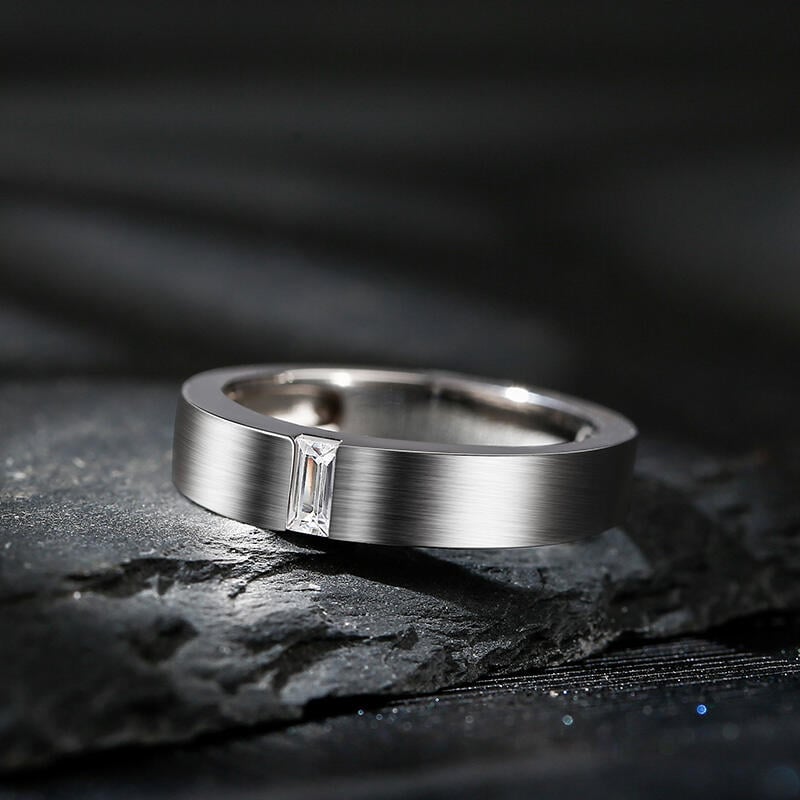
- Classic Bands: Simple, elegant bands in various metals (platinum, gold, palladium, titanium, tungsten) with different finishes (polished, brushed, matte, hammered).
- Subtle Details: Bands featuring subtle textures, bevelled edges, milgrain detailing, or unique patterns etched into the metal.
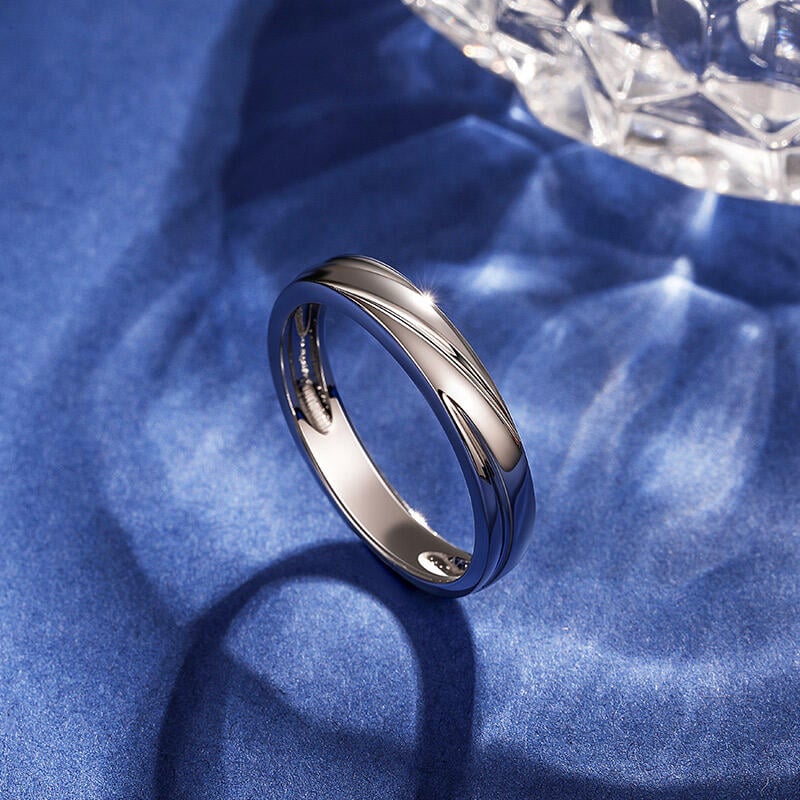
- Stones:
- Single Stone: A small, discreet diamond or gemstone (like a black diamond, sapphire, or emerald) set flush or in a bezel setting.
- Channel Set: Small diamonds or gemstones set into a channel around the band for a subtle sparkle.
- Accent Stones: Tiny stones flanking a central design element.
- Mixed Materials: Rings incorporating non-traditional materials like wood, carbon fiber, meteorite, or ceramic for a distinctive, modern look.
- Unique Designs: Geometric patterns, nature-inspired motifs, or custom-designed pieces that hold personal significance.
The key is finding something durable, comfortable, and reflective of his personal style.
Celebrate Your Way
Ultimately, the most important thing about engagement rings – whether for one partner or both, traditional or modern – is what they symbolize for you as a couple. There are no strict rules anymore, only endless possibilities to express your unique love story.