
What does a purity ring mean today? For many, it’s a vow of abstinence until marriage—a deeply personal commitment often made in youth. But beyond that simple definition lies a complex story of evolving values, personal identity, and the very meaning of choice in modern life. This small piece of jewelry continues to spark big conversations. Let’s explore what it represents now—and why it still matters.
Navigate to:
What Is a Purity Ring?
A purity ring is a symbolic ring, typically worn by youth and young adults as a personal promise to remain abstinent until marriage. While it is often worn on the left ring finger—like the placement of a wedding band—it may also be worn on other fingers, the right hand, or even as a pendant necklace. Sometimes referred to as a “chastity ring,” it serves as a visible reminder of an individual’s personal or faith-based values. For many, the ring is not merely a fashion statement, but a physical representation of a vow often made publicly during ceremonies with family and faith communities.
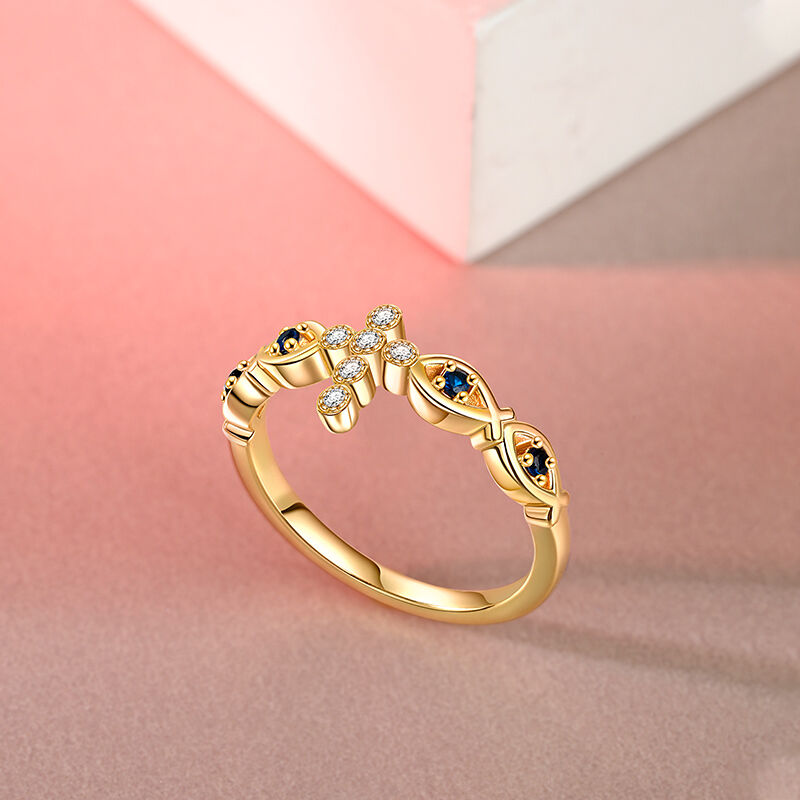
The giver of the ring varies: parents may present it in a formal ceremony, the wearer may purchase it as a self-pledge, or it may be received through organized programs such as True Love Waits. Ultimately, what matters most is not who gives it, but that both giver and wearer share a clear, mutual understanding of the specific commitment the ring represents.
The modern purity movement,largely rooted in evangelical Christian culture, gained significant momentum in the 1990s in the United States, particularly through organizations like True Love Waits and Silver Ring Thing. These programs encouraged young people to pledge abstinence as a path to emotional health, self-respect, and spiritual integrity. Historically, the movement has placed a stronger emphasis on female purity, leading to higher visibility and participation among women. Nevertheless, many young men within these communities also made the pledge and wore purity rings. Prominent figures like the Jonas Brothers, who publicly discussed their purity rings early in their careers, helped bring the concept into mainstream consciousness, sparking both interest and debate.
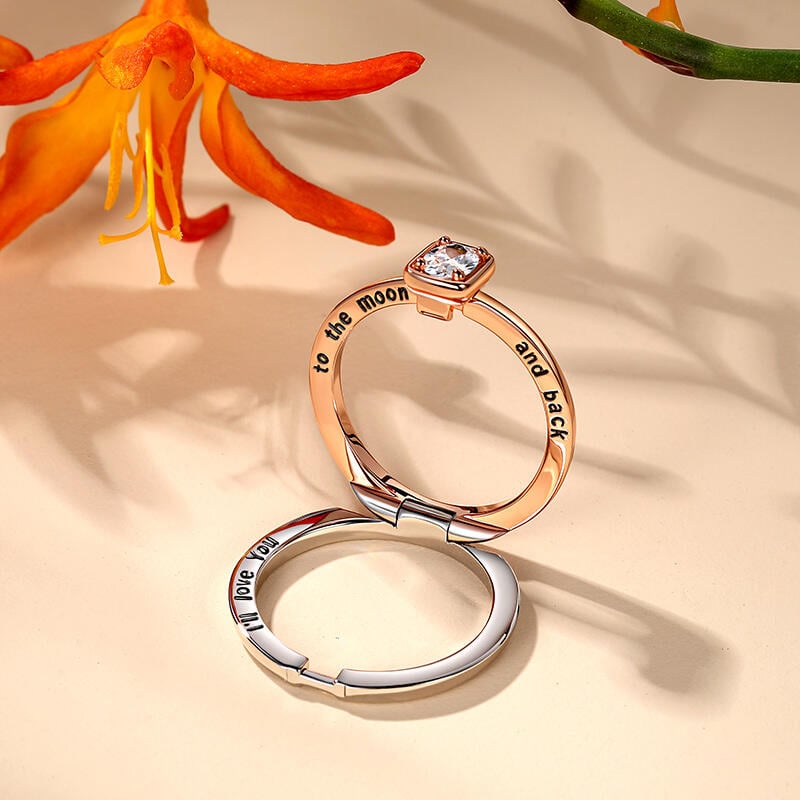
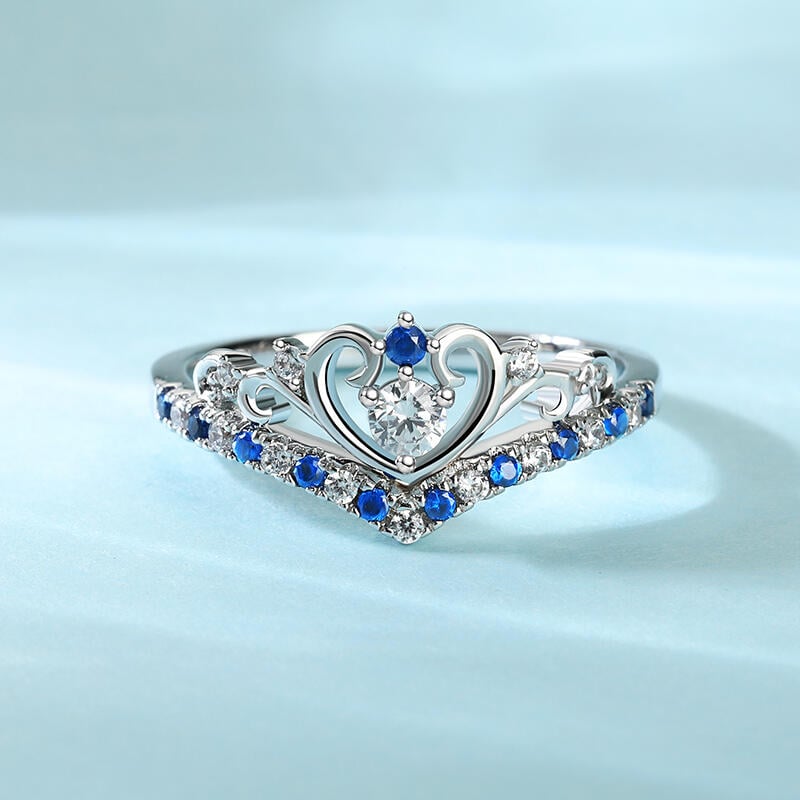
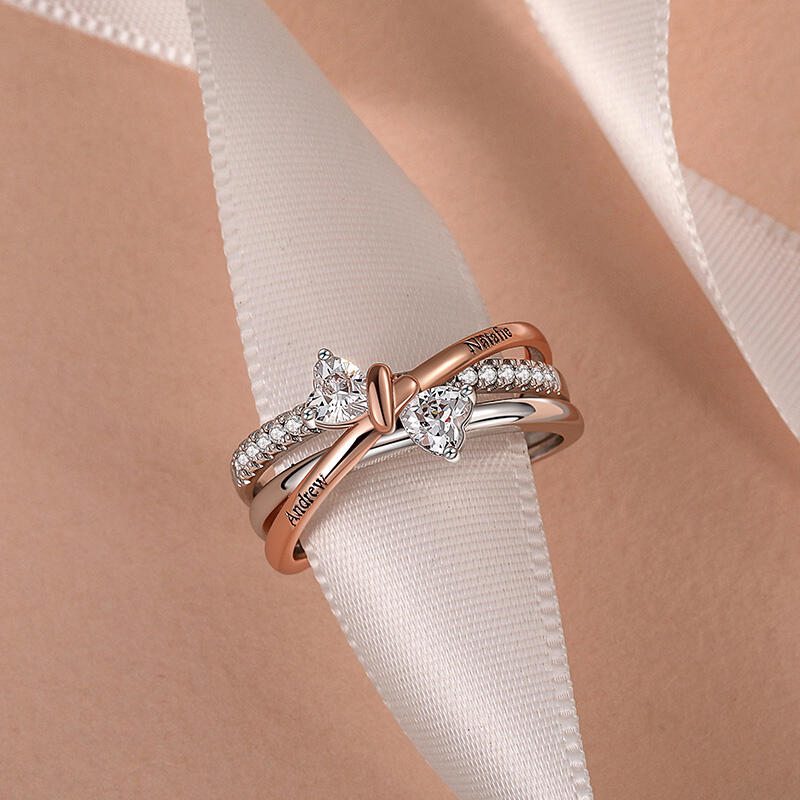
What‘s the Meaning Behind Purity Rings?
For those who wear them, purity rings carry deeply personal significance. To some, the ring reflects a religious conviction—an expression of faith and a commitment to living according to biblical principles. Others see it as a form of empowerment, a way to take control of their bodies and choices in a culture that often sexualizes youth.
“I made the decision to wear a purity ring not because I felt pressured, but because I wanted to set boundaries for myself,” shares 19-year-old college student Mia Thompson. “It’s a reminder that my worth isn’t tied to my relationships or physical experiences.”
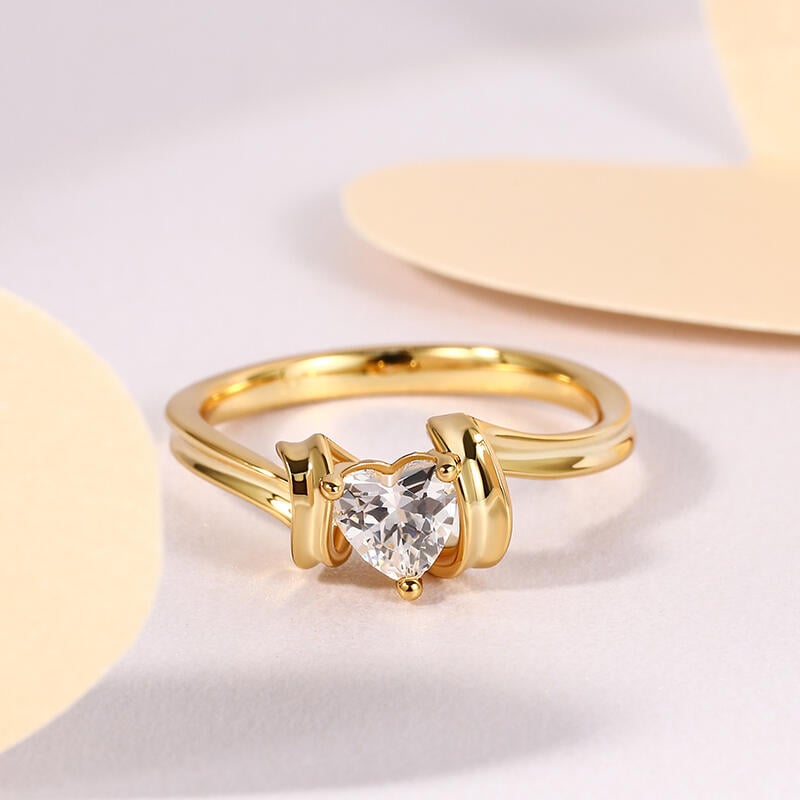
The ring can also represent a broader commitment to values such as self-discipline, emotional readiness, and intentional relationships. It’s not just about saying “no” to sex—it’s about saying “yes” to self-awareness and personal growth.
Evolving Views on Purity Rings
Despite its positive intentions, the purity ring movement has attracted criticism. Some argue that placing symbolic weight on abstinence can lead to shame or guilt if individuals later choose to become sexually active. Others point to studies suggesting that purity pledges may not effectively delay sexual activity and can sometimes discourage open conversations about sexual health and safe practices.
There’s also growing concern about how the movement historically emphasized female purity, often reinforcing gender stereotypes and placing disproportionate responsibility on girls to maintain “moral” standards.
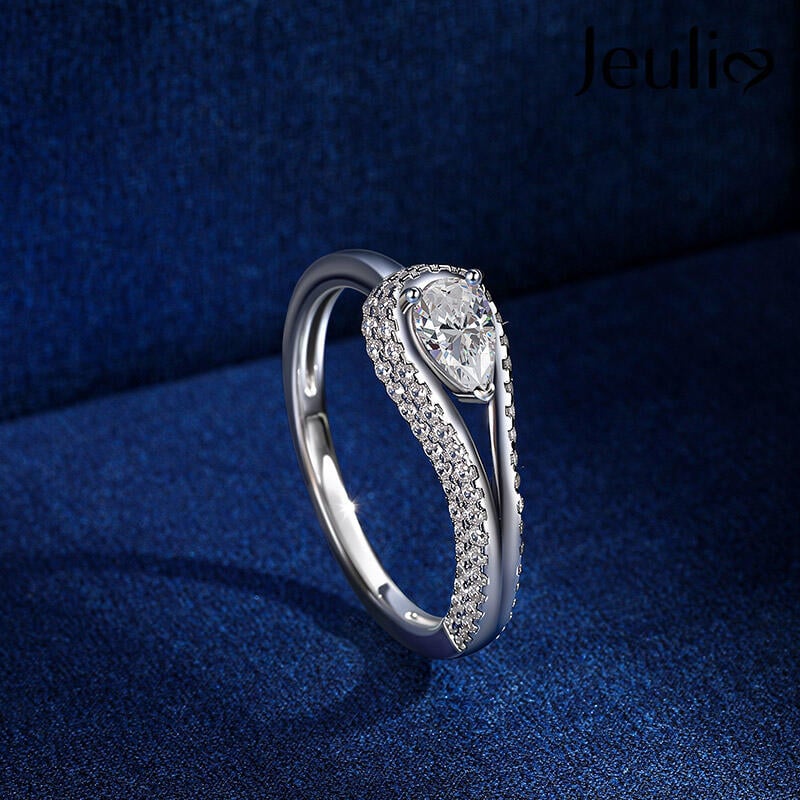
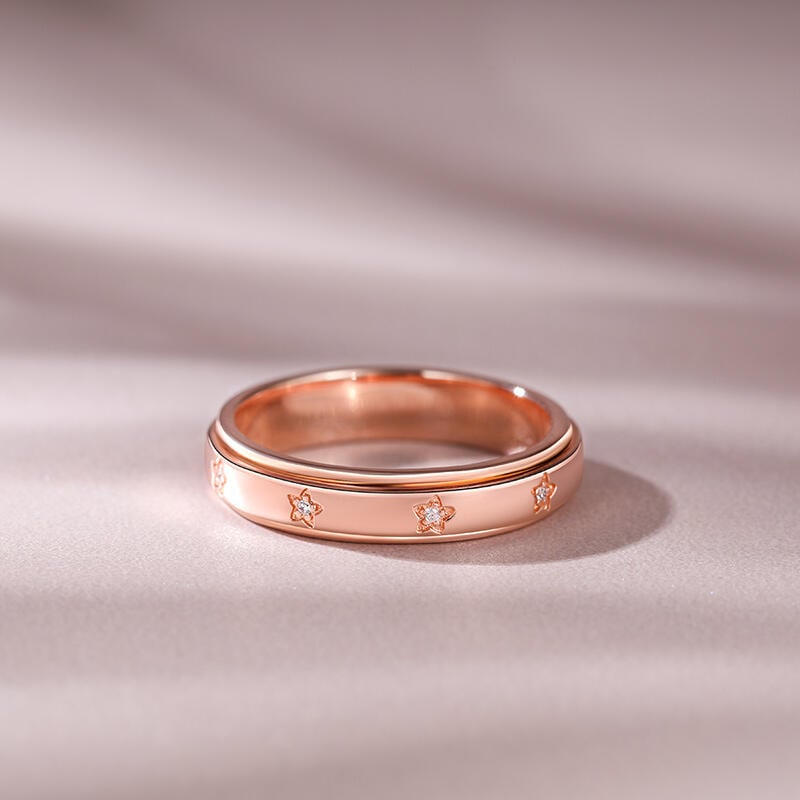
In recent years, many faith communities and educators have responded by re-framing the conversation—moving from a narrative of restriction to one of holistic wellness, consent, and informed decision-making.
Modern Views on Purity Rings
Today, the meaning of the purity ring is shifting. Many young people still choose to wear them, but often with a more nuanced understanding. For some, the ring symbolizes not just abstinence, but a broader commitment to integrity—emotional, spiritual, and physical.
Others repurpose the concept entirely, using the ring as a symbol of self-love, recovery from toxic relationships, or a pledge to wait for emotionally healthy partnerships. In this way, the purity ring becomes less about external rules and more about internal alignment with one’s values.
What Does a Purity Ring Look Like?
A purity ring doesn’t have one universal design, but it often features certain common symbols and styles:
- Simple Bands: Many are modest, silver or gold bands, similar to a wedding ring.
- Heart & Key Motif: A very popular design features a heart (symbolizing love) and a key (symbolizing that the wearer holds the “key to their heart” until marriage). Sometimes it’s a lock and key set split between partners.
- Scripture or Inscriptions: Often engraved with phrases like:
- “True Love Waits”
- “Promise”
- Bible verses (e.g., *”1 Thessalonians 4:3-4″* or “Set Apart”)
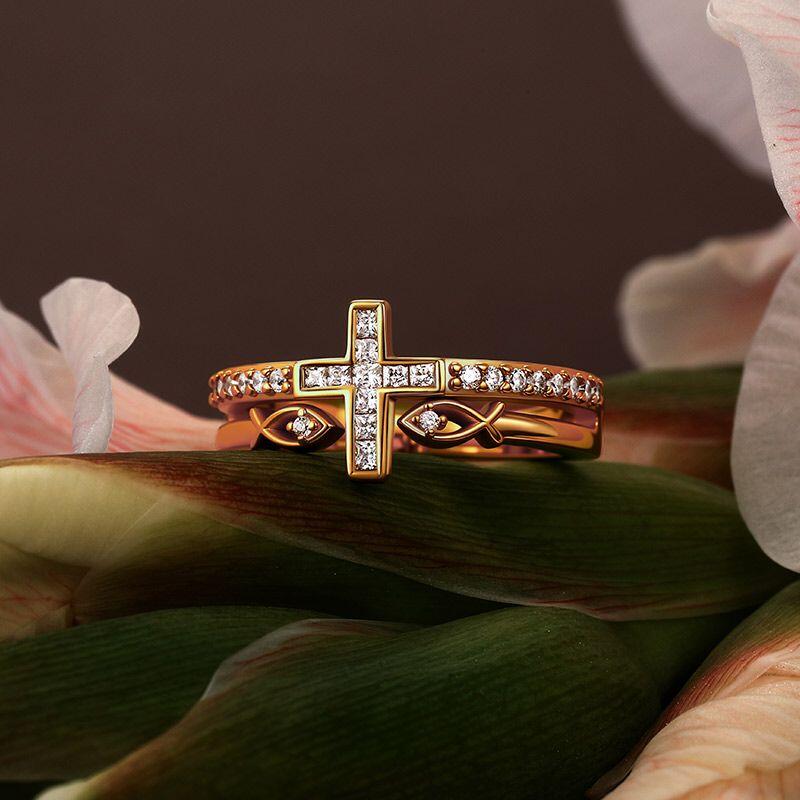
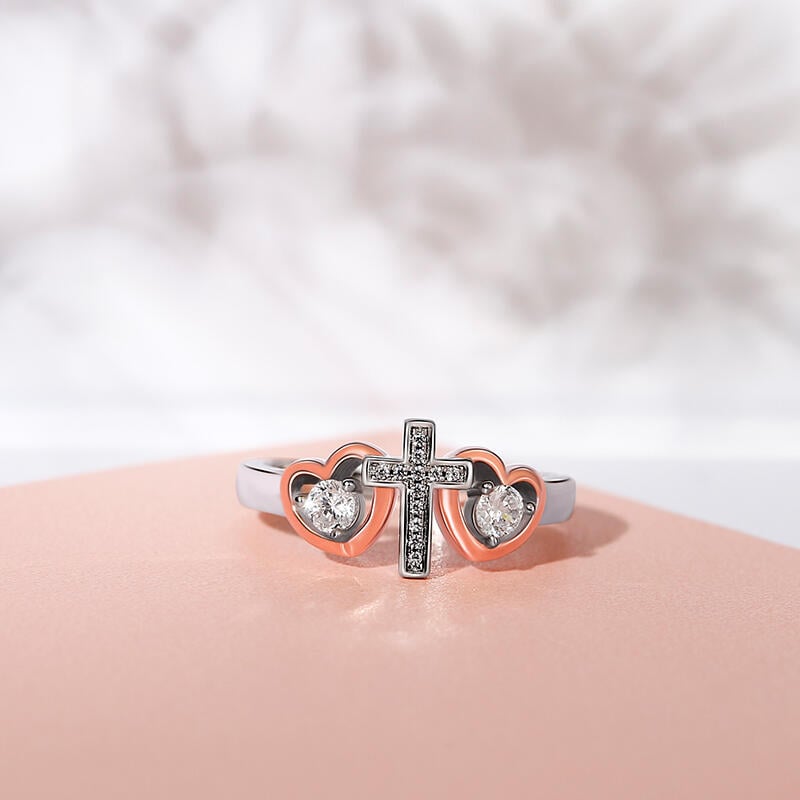
- Cross or Dove: Christian symbols are frequent, emphasizing the faith-based commitment.
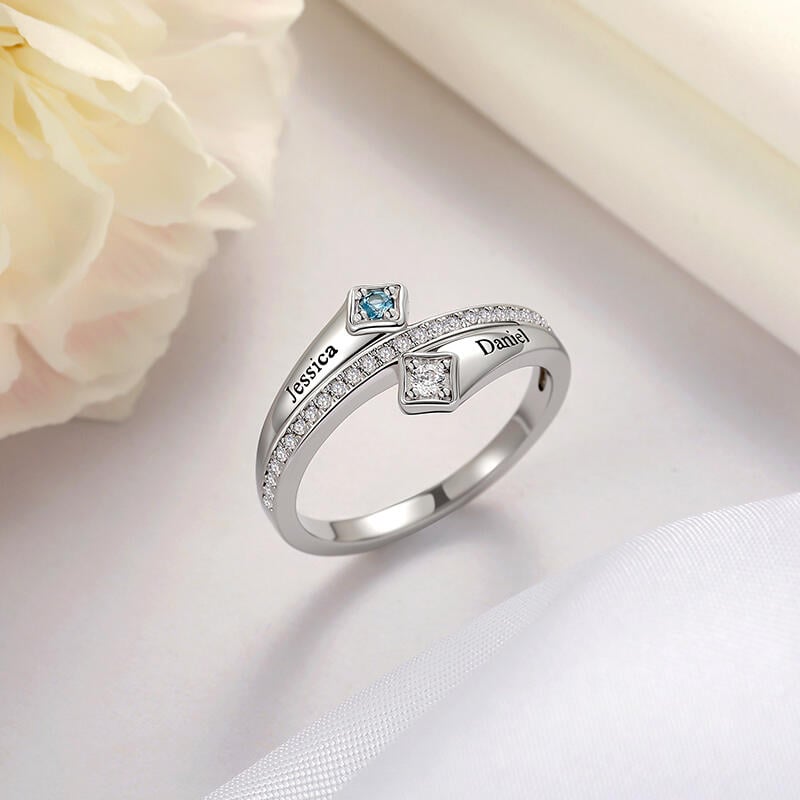
- Birthstone or Simple Gem: Some may include a small, modest stone.
In short, it can look like a promise ring, a simple band, or a ring with clear Christian or “love commitment” symbolism. The meaning behind it is more important than a specific look.
Final Thoughts
At its heart, the purity ring isn’t really about the ring. It’s about making a personal choice – deciding for yourself what intimacy means to you and where you draw the line. In a world where “freedom” often just means doing whatever you want, choosing to wait, to respect yourself, or to commit with intention can actually be a quiet but powerful way to stand by your own values. What matters most isn’t the promise you make once, but the everyday choice to live in a way that feels true to who you are.
More Jeulia Post: