
Have you ever glanced at your gold jewelry and spotted tiny numbers like 585 or 750 and wondered what they mean? These numbers aren’t random scribbles, they indicate the purity of your gold pieces. A 585 gold stamp means 14K gold, while a 750 gold stamp means the jewelry is made of 18K gold. Whether you’re buying, selling, or just love jewelry, knowing what these markings mean is key. In this article, we’ll explore the meaning behind 750 and 585, and other common jewelry markings and help you decide which type of gold is best for your needs.
Navigate to:
Understanding Gold Purity
Gold purity refers to the amount of pure gold in a piece of jewelry, measured in either karats (k) or millesimal fineness (parts per thousand). Because pure gold (24k) is too soft for everyday wear, it is alloyed with other metals like copper, silver, or zinc to increase durability and create different colors. Understanding gold purity is essential for making informed purchasing decisions, as it directly affects the metal’s value, appearance, and suitability for different types of jewelry.
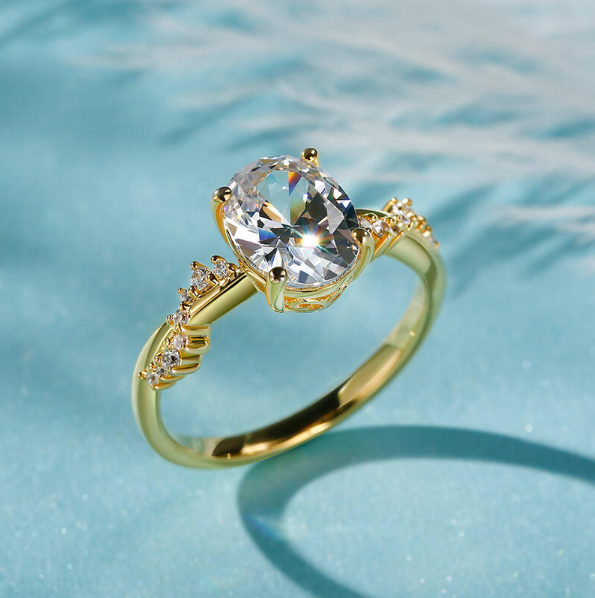
How Gold Purity Is Measured
There are two primary systems used to measure and indicate gold purity worldwide:
- The Karat System (Karatage): This is the most common system, particularly in the United States and parts of Asia. It measures the purity of gold on a scale from 1 to 24.
- 24-karat (24K) gold is considered 100% pure gold.
- An 18-karat (18K) gold piece consists of 18 parts pure gold and 6 parts other metals, meaning it is 75% gold.
- The karat system is expressed with a “K” (e.g., 10K, 14K, 18K, 24K).
- The Millesimal Fineness System: This system is more common in Europe and is an international standard for expressing purity in parts per thousand.
- It uses a three-digit number to indicate the gold content.
- For example, a stamp of “750” means the item is 750 parts per thousand pure gold, which is equivalent to 18K (75% gold).
- This system is precise and eliminates the ambiguity that can sometimes arise with karat markings.
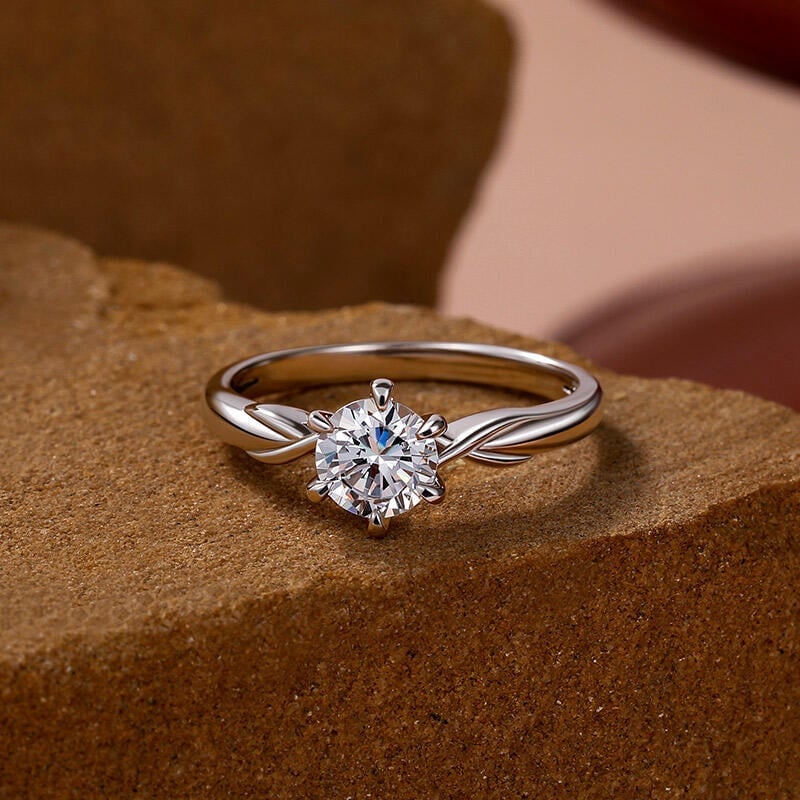
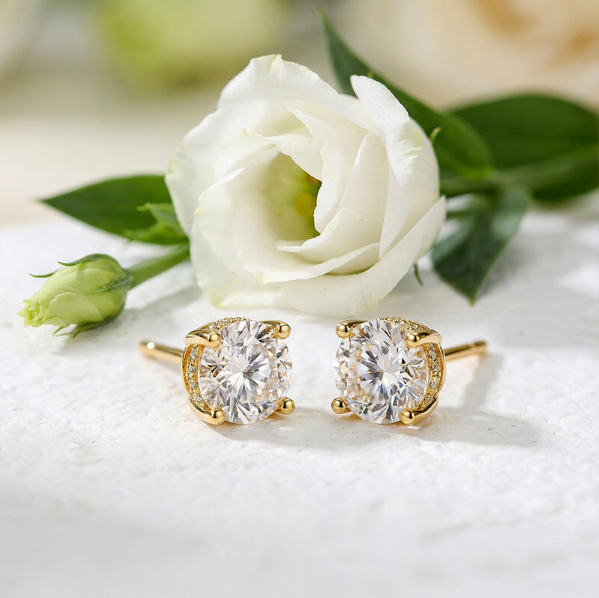
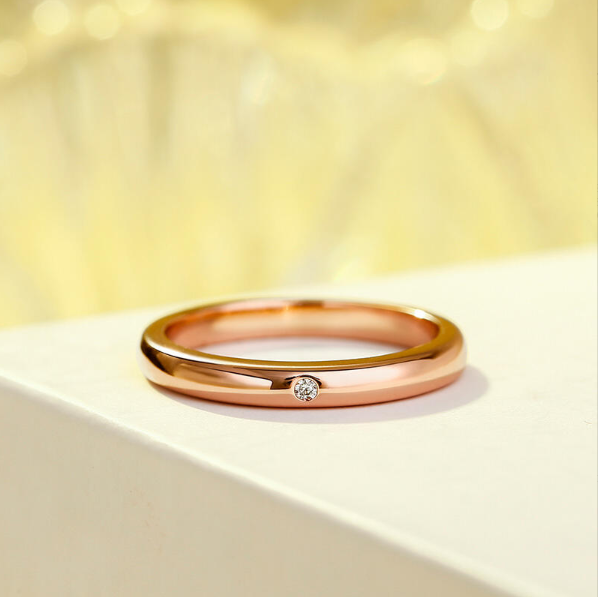
Common Gold Purity Levels:
- 24K Gold (999): 99.9% pure gold – the softest and most valuable, but rarely used for jewelry that requires durability.
- 22K Gold (916): 91.6% pure gold – commonly used in traditional and investment jewelry.
- 18K Gold (750): 75% pure gold – a popular balance of purity and strength, ideal for fine jewelry.
- 14K Gold (585): 58.5% pure gold – highly durable and scratch-resistant, the most common choice for engagement rings and everyday wear in the US.
- 10K Gold (417): 41.7% pure gold – the minimum karat that can legally be called “gold” in the US; very durable but with a lighter gold color.
Karats vs. Carats: Don’t Get Them Confused!
It is a common mistake to use these terms interchangeably, but in the jewelry industry, they mean very different things:
- Karat (K or kt): This measures the purity of gold. 24K is 100% pure gold. Therefore, 18K is 18 parts gold and 6 parts other metals (18/24 = 0.750).
- Carat (ct): This measures the weight of gemstones, such as diamonds or sapphires. One carat is equal to 200 milligrams.
Pro-Tip: If you see “1.00ct” on a ring, it refers to the diamond size. If you see “750,” it refers to the gold the ring is made of.


What Does 585 or 750 Mean on Gold Jewelry?
Many pieces of gold jewelry have a small stamp in an inconspicuous place. For a ring, the stamp is often inside the band. This stamp is called a hallmark, and it tells you the purity of the gold—its karat. Once you understand the gold purity system, you’ll know that a hallmark reading “750” means the piece is 18-karat gold. That means 75% of the metal is pure gold, while the remaining 25% consists of other metals (such as copper or silver) alloyed for durability. In short, the number 750 is simply another way of expressing 18-karat gold.
A 585 hallmark, on the other hand, indicates 14-karat gold. This means the piece contains 58.5% pure gold (585 parts per thousand), with the remaining 41.5% made up of alloy metals like copper, zinc, or nickel. These added metals make the gold harder and more scratch-resistant than higher-karat options, which is why 14-karat gold is a popular choice for engagement rings and other jewelry meant for daily wear.
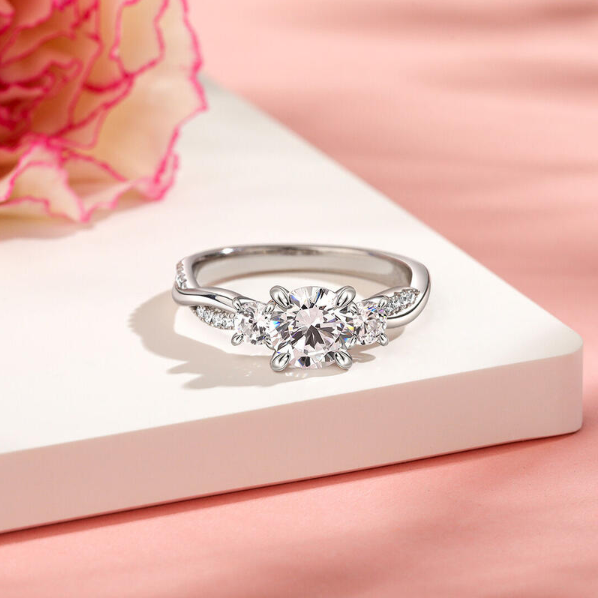
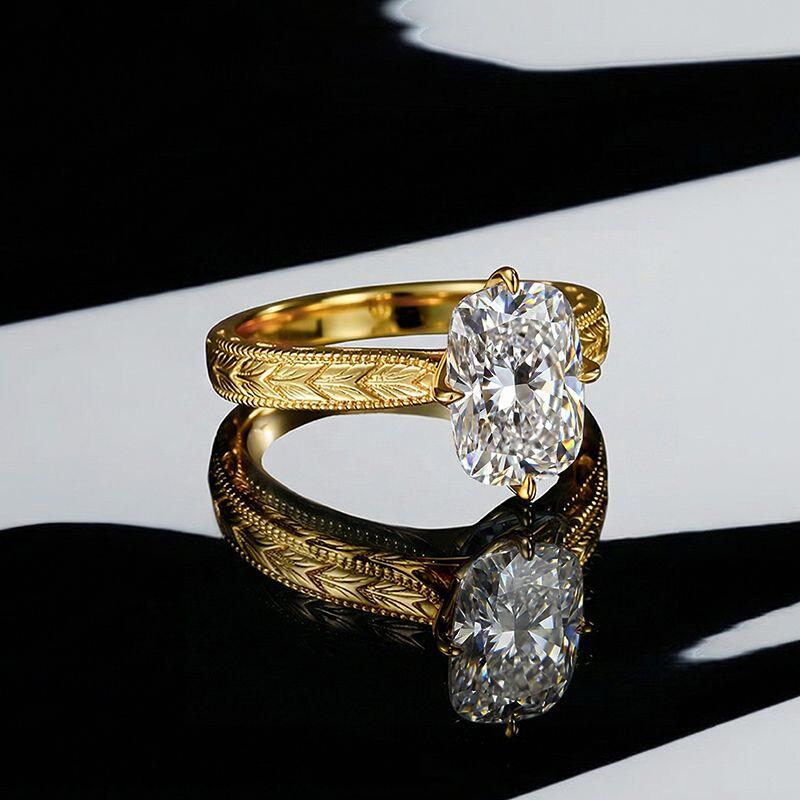
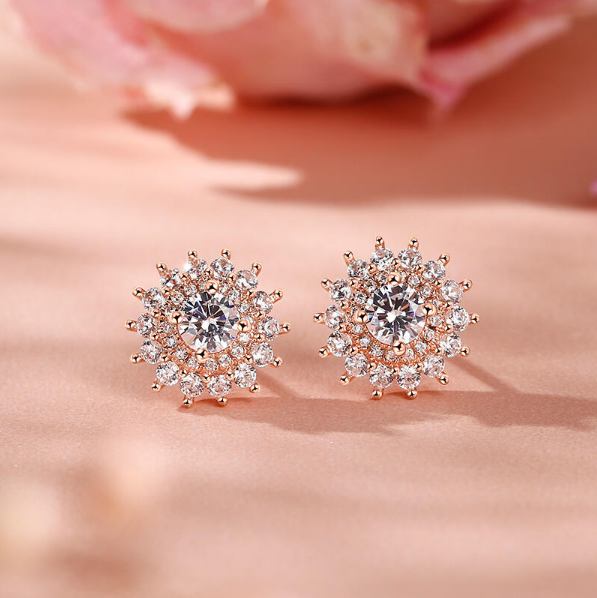
585 vs 750 Gold: Which is Better?
The answer depends on your priorities. Choose 585 (14K) gold if you value durability and practicality—it’s more scratch-resistant and affordable, making it ideal for everyday wear like engagement rings or bracelets. Choose 750 (18K) gold if you prefer a richer color and higher purity—it has a warmer, more luxurious appearance, though it’s softer and comes with a higher price tag. Ultimately, there’s no wrong choice: 585 offers strength for daily life, while 750 delivers prestige for special moments. Pick what feels right for you.
Other Common Jewelry Markings
It’s not just gold that gets special stamps! Other precious metals have their own purity codes:
Gold Markings
- 417 or 10K: 41.7% gold
- 585 or 14K: 58.5% gold
- 375 or 9K: 37.5% gold
- 916 or 22K: 91.7% gold
- 24K: 99.9% pure gold
Silver Markings
- 999: Fine Silver (99.9% silver, quiet soft, less common for jewelry)
- 925: Sterling silver (92.5% silver, with the remaining 7.5% usually being copper to add strength, common for jewelry)
- 800: 80% silver
- 950: 95% silver
Platinum Markings
- PT950 or PLAT950: 95% Platinum
- PT900 or PLAT900: 90% Platinum
Palladium Markings
- PT950 or PLAT950: 95% Palladium
- PT900 or PLAT900: 90% platinum.
- 500: 50% palladium
Other Markings
- GP: Gold Plated (a thin layer of gold over base metal).
- GF: Gold Filled (a thicker layer of gold, but still not solid).
- HGE: Heavy Gold Electroplate.
- Items with these stamps are not solid gold and do not hold the same value as 585 or 750 pieces.

Why Do These Markings Matter?
Understanding these tiny stamps is more than just a party trick; it’s genuinely important for several reasons:
- Authenticity and Value: Markings confirm that your jewelry is made of a genuine precious metal and indicate its purity, directly affecting its intrinsic value.
- Quality Assurance: Reputable jewelers will always mark their pieces clearly.
- Care and Maintenance: Knowing the metal type helps you care for your jewelry properly (e.g., some cleaners aren’t suitable for all metals).
- Allergies: If you have sensitivities to certain metals (like nickel, often an alloy in less pure golds), these markings can help you identify what you’re wearing.
Whether you’re drawn to the durability and affordability of 585 gold or the higher purity and prestige of 750 gold, both offer beautiful options for rings, necklaces, and beyond. The right choice comes down to your lifestyle, your budget, and what matters most to you.
More Jeulia Post: