
Every second Sunday in May, millions of bouquets are wrapped, brunch reservations are confirmed, and greeting cards are signed across the globe. While the modern celebration of Mother’s Day is often associated with commercial gestures of love, the holiday’s roots run much deeper—tangled in ancient history, civil war, and a fierce battle against commercialization.
To truly appreciate the significance of Mother’s Day, we must look beyond the Hallmark aisle and explore its fascinating journey from a ancient ritual to a modern global tradition.
Navigate to:
Ancient Roots: The Goddesses of Motherhood
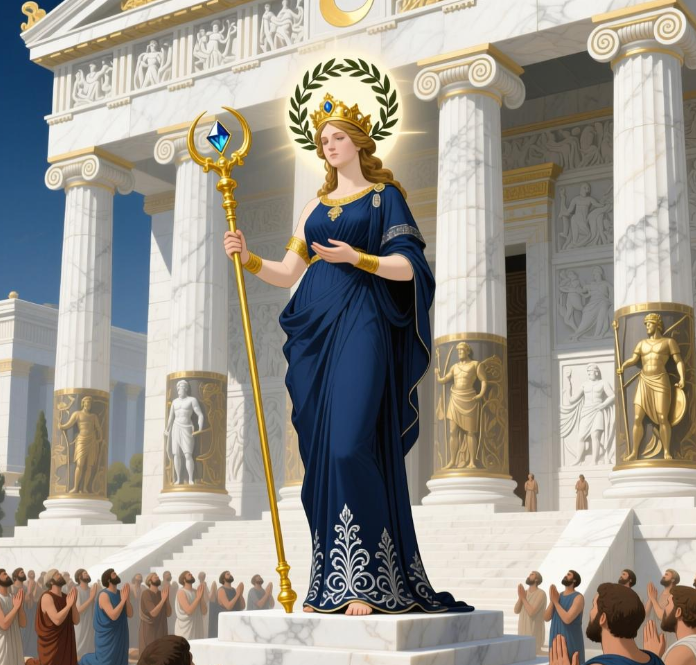
While the modern holiday is a relatively recent invention, the concept of honoring motherhood dates back to antiquity. The most notable precursor was the Cybele festival in ancient Greece, which honored Rhea, the mother of all gods. Similarly, the early Christians celebrated “Mothering Sunday,” a time dedicated to the Virgin Mary, where parishioners would return to their “mother church” for a service.

However, these ancient and religious traditions eventually faded or merged with secular celebrations, leaving a void that would not be filled until the 19th century.
The American Genesis: A Daughter’s Devotion
The story of the American Mother’s Day begins not in a boardroom, but in a quiet West Virginia kitchen with a woman named Ann Reeves Jarvis.
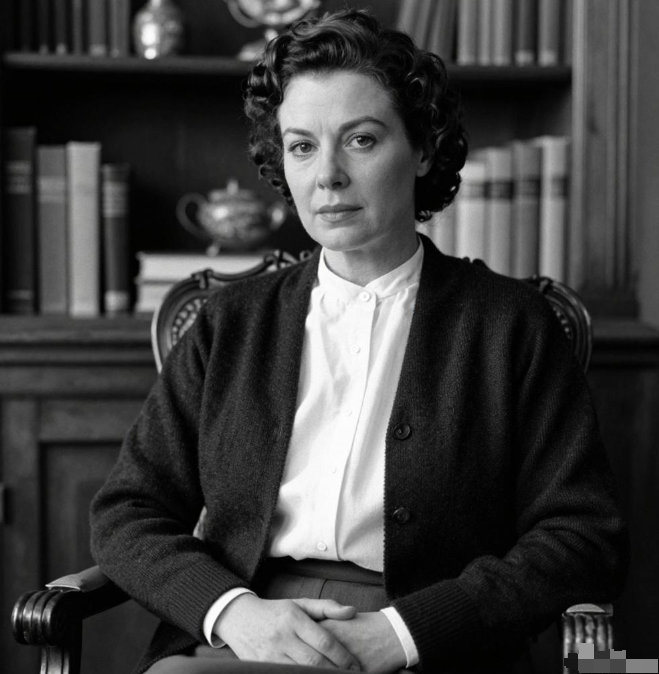
In the 1850s, Jarvis organized “Mothers’ Day Work Clubs” to improve sanitation and health in the Appalachian region. These clubs were instrumental in reducing infant mortality and caring for wounded soldiers during the Civil War. When Ann died in 1905, her daughter, Anna Jarvis, was devastated. She felt that a day should be set aside to honor the sacrifices mothers make for their children.
Anna Jarvis organized the first official Mother’s Day celebration in 1908 at her mother’s church in Grafton, West Virginia. She chose the second Sunday in May—her mother’s death anniversary—and sent 500 white carnations, her mother’s favorite flower, to the service.
A Holiday Goes Global
Anna Jarvis’s campaign was remarkably successful. She wrote countless letters to politicians and business leaders, arguing that a day was needed to recognize the personal sacrifices mothers make, which she felt were often overlooked.
By 1914, her efforts caught the attention of President Woodrow Wilson, who signed a bill designating the second Sunday in May as a national holiday. The idea quickly spread internationally. Today, dozens of countries celebrate Mother’s Day, though dates and traditions vary. For example, the UK celebrates “Mothering Sunday” in March, while many Arab nations celebrate it on March 21st to coincide with the spring equinox.
The Irony of Commercialization
Perhaps the most poignant part of the Mother’s Day story is its tragic irony. Anna Jarvis, the woman who birthed the holiday, spent the rest of her life—and her fortune—trying to abolish it.
Once Mother’s Day became a national holiday, commercialization exploded. Greeting card companies, florists, and confectioners capitalized on the sentiment. Jarvis was horrified. She had envisioned a day of intimate, personal gestures—a letter, a long visit, a handmade token. She saw the purchased greeting cards as a “poor excuse for the letter you were too lazy to write.”
She famously wrote:
“A printed card means nothing except that you are too lazy to write to the woman who has done more for you than anyone in the world.”
Jarvis spent her later years lobbying against the holiday she created, even getting arrested for protesting a “Mother’s Day” carnation sale. Her fight highlights the tension between genuine sentiment and commercial exploitation—a tension that still exists today.
The True Significance of Mother’s Day : Why We Still Celebrate
Despite Jarvis’s fears, the holiday has endured for over a century. Its significance has evolved, but the core message remains powerful.

In a world that moves at a breakneck pace, Mother’s Day serves as a necessary pause. It forces us to stop and acknowledge the “invisible labor” that often goes unnoticed. Whether it is the biological mother who gave birth, the grandmother who raised a second generation, the stepmother who chose to love, or the community figures who nurture us—all deserve recognition.
The significance of Mother’s Day lies not in the price tag of the gift, but in the intention behind it. It is a reminder that while love is a daily practice, gratitude deserves a specific moment of focus.


The origin of Mother’s Day is a story of love, grief, and a fierce desire for recognition. From the ancient temples of Greece to the quiet churches of West Virginia, the sentiment has remained constant: mothers are the bedrock of our lives.

As you celebrate this year, take a page from Anna Jarvis’s original intent. Not only choose the meaningful gift for your mother, but also put down the store-bought card and pick up the pen. Visit the mother figure in your life. Share a memory. Because the most valuable gift you can give isn’t found in a store—it is your time and your gratitude.