
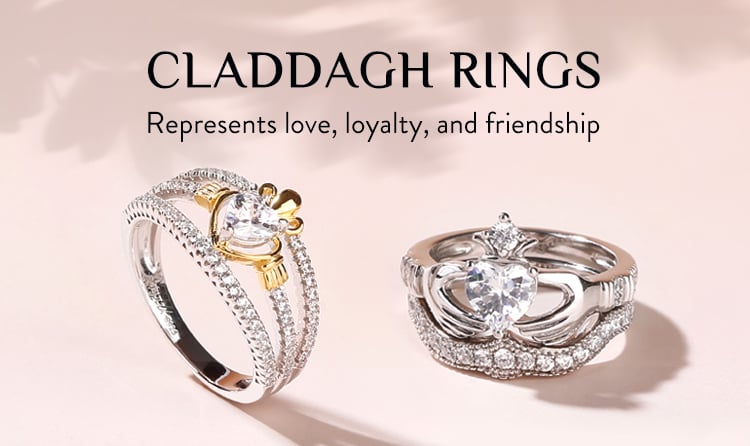
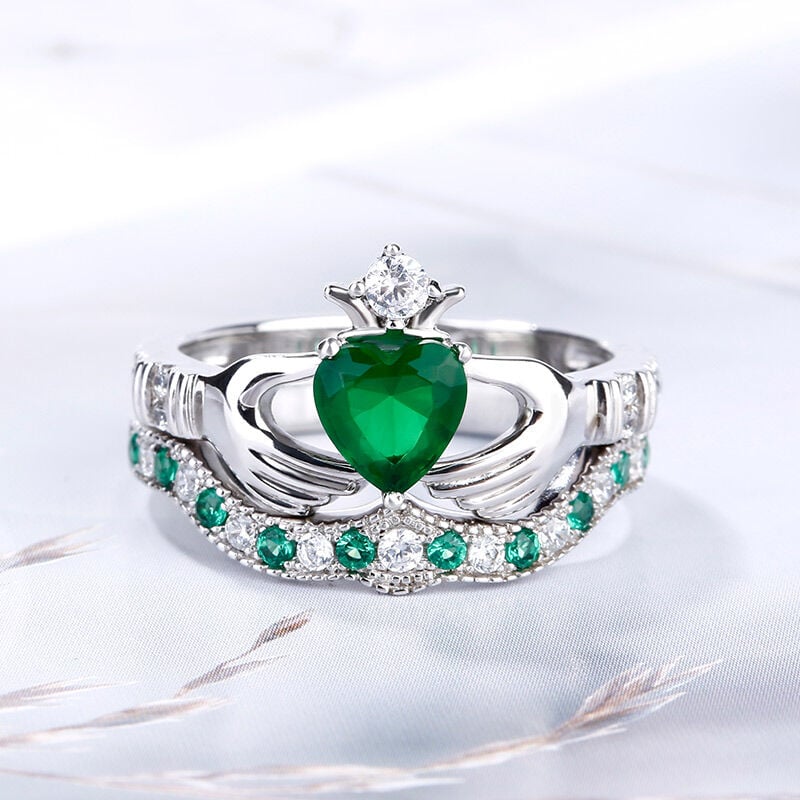
The Claddagh ring features two hands holding a heart, topped with a crowned heart, signifying love, loyalty, and friendship. Here’s a guide on the story behind it and how to wear this meaningful ring, depending on your relationship status and personal preference.
Navigate to:
A Brief History of the Claddagh Ring
Originating in the small fishing village of Claddagh near Galway, Ireland, this celebrated ring dates back to the 17th century. Legend has it that Richard Joyce, a local silversmith, crafted the first Claddagh ring after being captured and enslaved. Upon his return home, he created the ring as a symbol of his enduring love, loyalty, and friendship—values he held steadfast through years of separation.
Over time, the Claddagh ring became more than just a piece of jewelry; it evolved into a meaningful heirloom, often passed from generation to generation and used to express romantic status, cultural pride, and emotional connection.
The Three Symbolic Elements of a Claddagh Ring
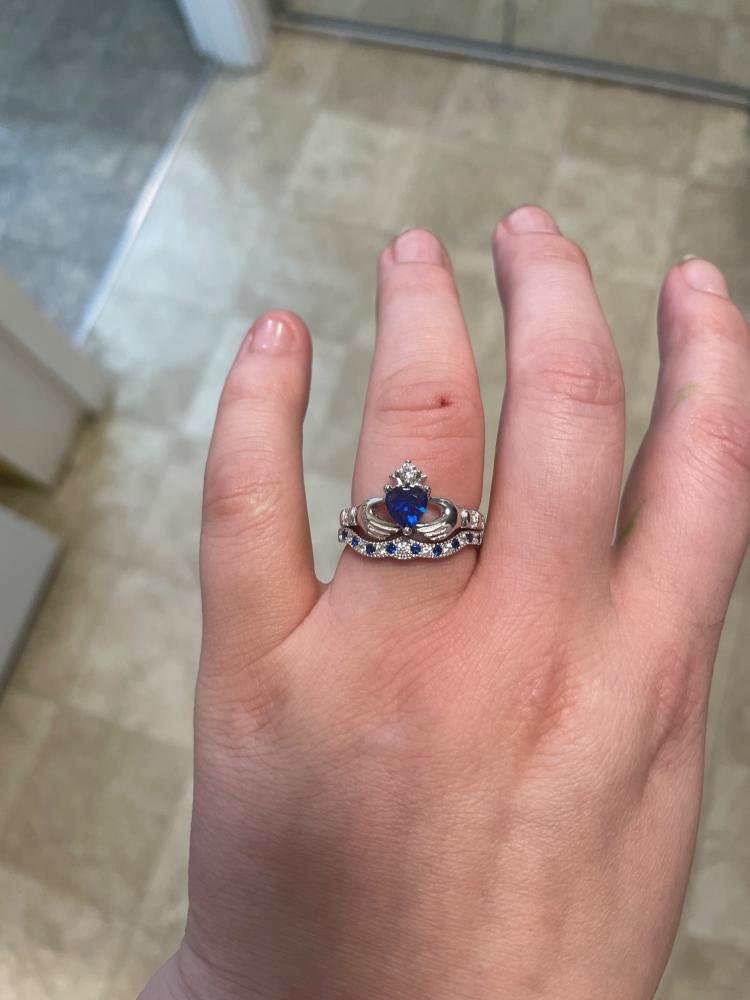
Before we discuss how to wear a Claddagh ring, it’s important to understand what each element represents:
- The Hands – Symbolize friendship
- The Heart – Represents love
- The Crown – Stands for loyalty
Together, they embody the core values of any meaningful relationship.
Orientation Matters: Which Way Is Up
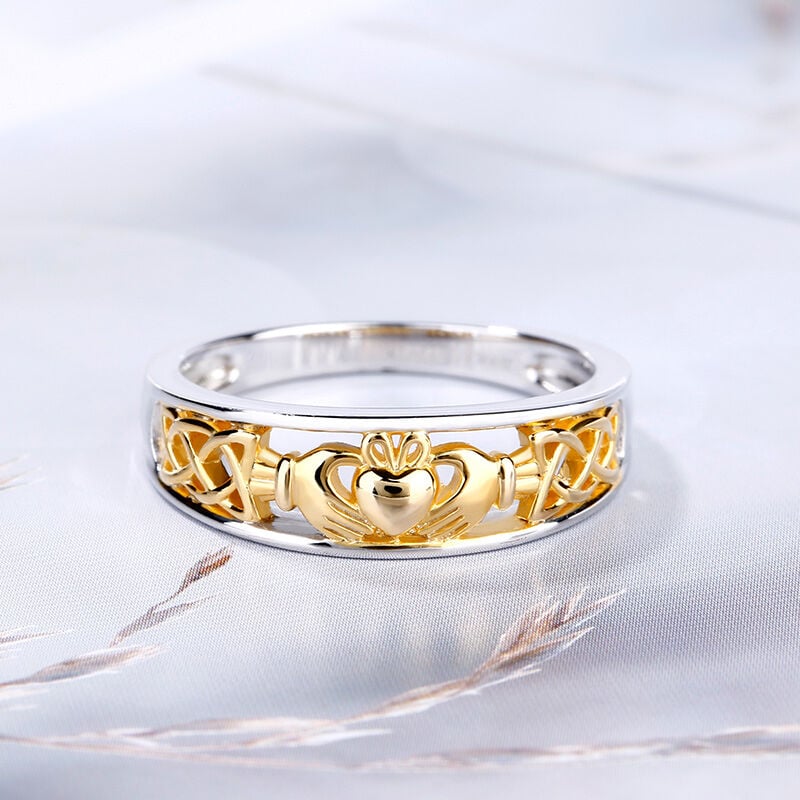
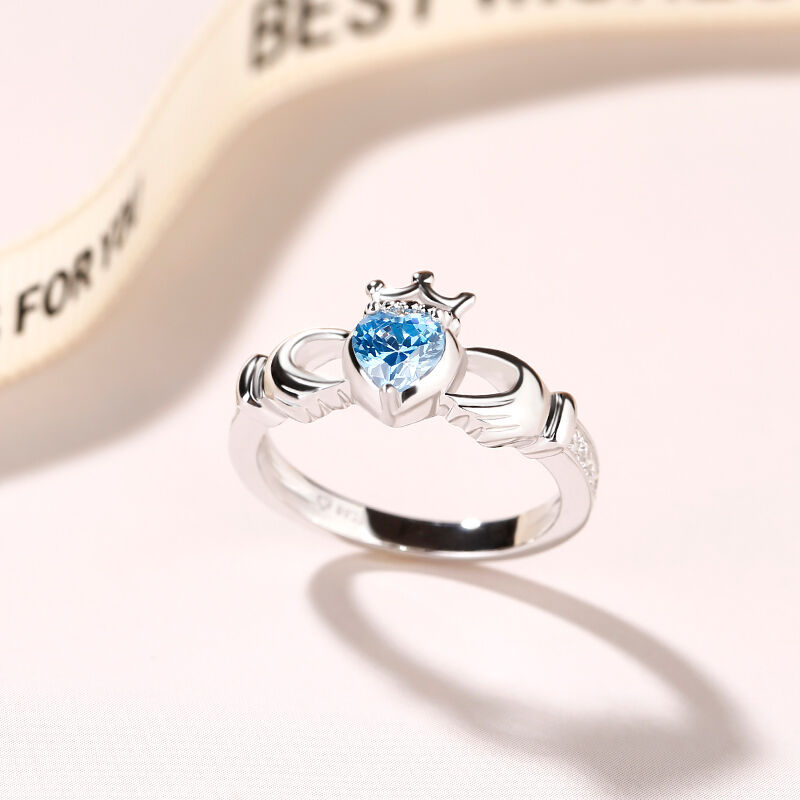
Unlike a simple band, a Claddagh ring has a definite “right side up.” The crown sits at the top of the heart, and the two hands should be facing upward. Wearing it upside down flips the message—literally turning love and loyalty on its head.
How to Check Orientation
- Hold the ring in front of you.
- Identify the crown (the little “top” of the heart).
- Make sure the crown is at the 12‑o’clock position when the ring rests on your finger.
If the crown points toward the palm, the ring is upside down.
Tip: When you first buy a Claddagh ring, take a quick selfie of it on your finger to verify the orientation. It’s easier to correct early than to keep an “upside‑down” love story!
How to Wear a Claddagh Ring
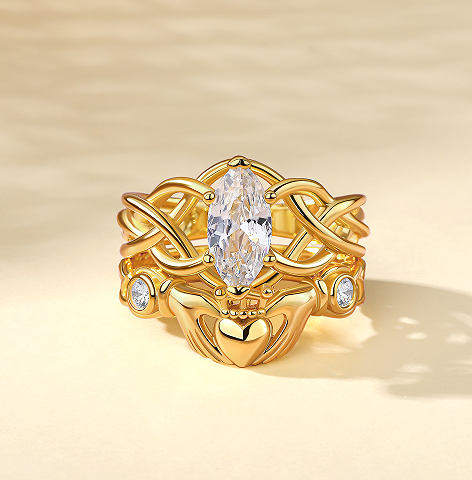
The way you wear your Claddagh ring communicates your relationship status and personal intentions. Whether you’re embracing Irish heritage, giving a gift, or declaring your heart, these traditional guidelines can help you wear the ring with purpose.
1. On the Right Hand, Heart Facing Outward
- Meaning: “My heart is free.” You are single and open to love.
- How to wear: Place the ring on your right ring finger with the heart’s crown pointing away from you (toward the fingertip).
- Perfect for: Those seeking a meaningful symbol while remaining unattached.
2. On the Right Hand, Heart Facing Inward
- Meaning: “My heart is taken.” You are in a relationship.
- How to wear: Wear the ring on your right ring finger with the heart pointing toward your body (crown closest to the knuckle).
- Ideal for: Couples who exchange Claddagh rings as a token of commitment, without being formally engaged.
3. On the Left Hand, Heart Facing Outward
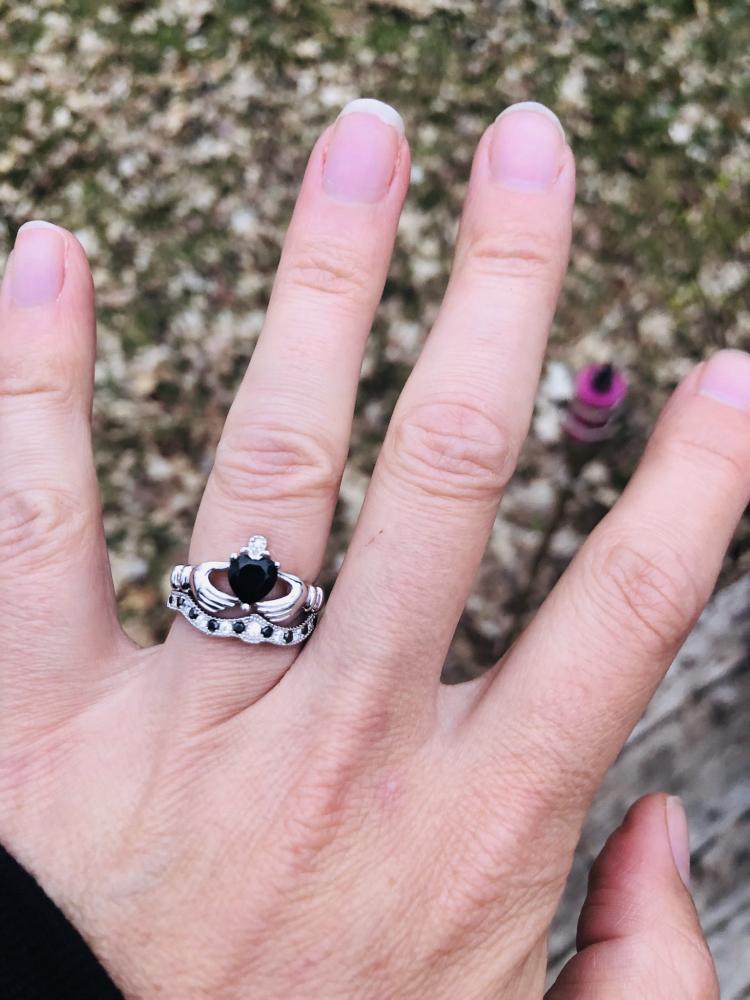
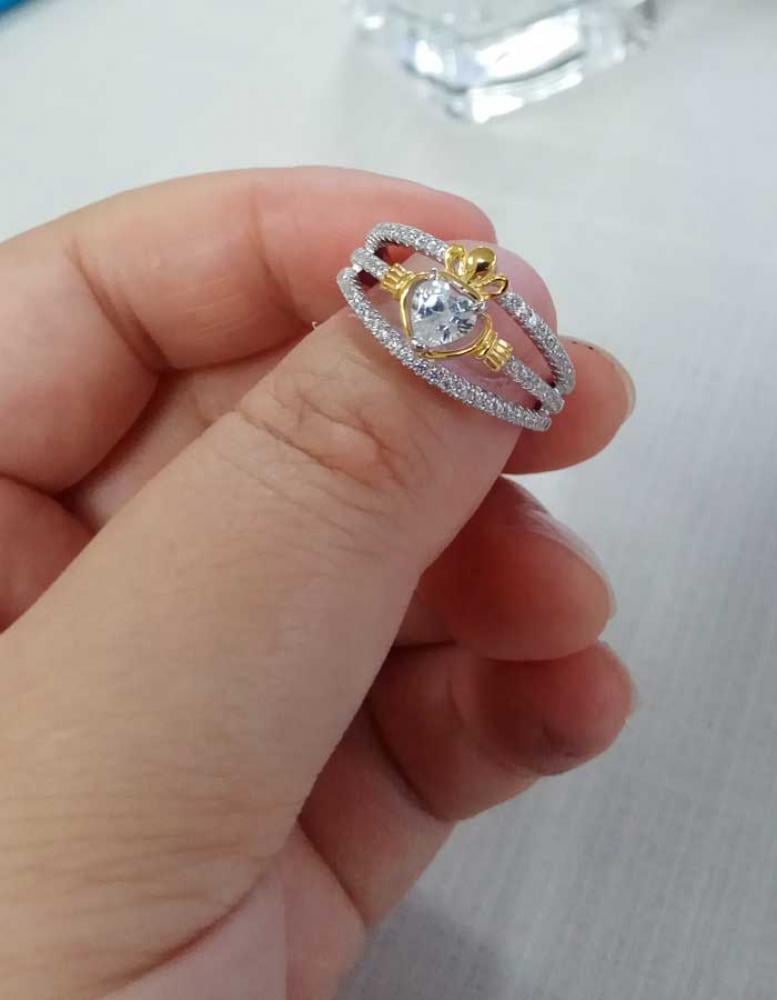
- Meaning: “I am engaged” or “My heart belongs to someone forever.”
- How to wear: Wear the ring on your left ring finger with the heart pointing away from your body (crown closest to the fingertip).
- Traditional use: Typically worn to signify a formal engagement, serving as a prelude to the wedding band.
4. On the Left Hand, Heart Facing Inward
- Meaning: “I am married”
- How to wear: Wear the ring on your left ring finger with the heart pointing toward your body (crown closest to the knuckle).
- Traditional Use: Worn as a wedding band. The ring is often turned from “heart facing outward” to “heart facing inward” during the wedding ceremony to symbolize the transition from engagement to marriage.
Pro tip: If you’re in a long‑distance relationship or want to keep your status private, you can wear the ring on a different finger (e.g., middle finger) while still maintaining the correct orientation. It’s a personal “code” only you and your partner understand.