
True sophistication in men’s jewelry is rarely about the price tag or the prominence of the piece; it is an exercise in proportion, texture, and intentionality. Mastering subtle men’s jewelry isn’t about decoration. It’s about proportion, texture, and restraint—just like good architecture. In this article, we will explain the principles of refined masculine styling.
The Golden Rules of Less Is More
Every refined approach to men’s jewelry rests on three core principles.
Quality Over Quantity
This is the foundational rule. One well-crafted, meaningful piece will always speak volumes more than a handful of flimsy items. Invest in pieces made from genuine materials—sterling silver, solid gold, or durable steel. These materials don’t just look better; they develop a rich patina over time that actually tells a story.
Material Consistency
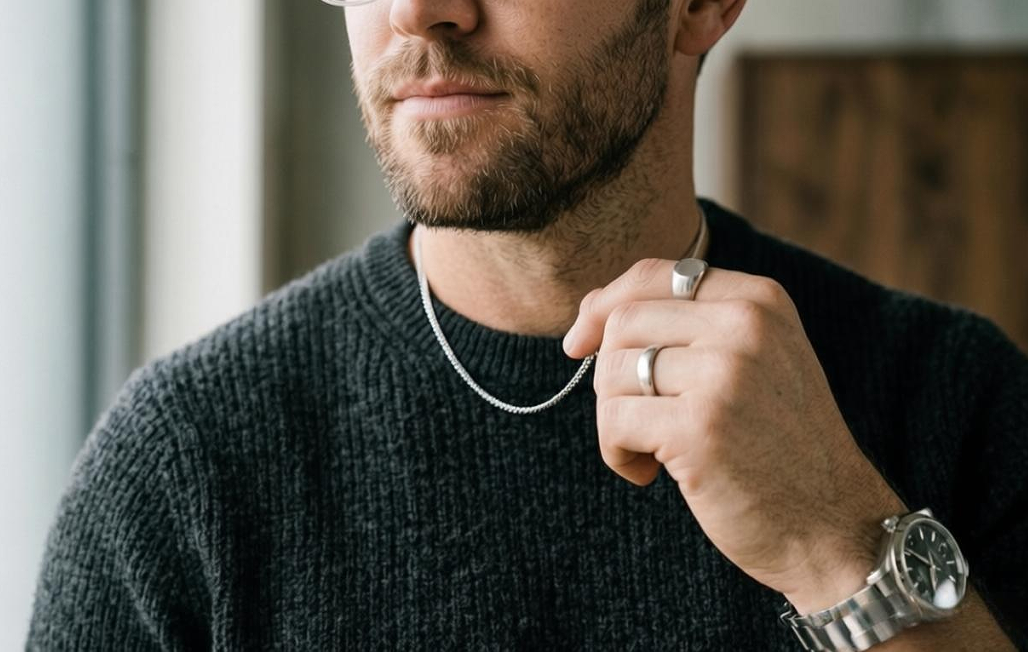
Cohesion is key to an understated look. Stick to a single metal tone—silvers with silvers, golds with golds—to create a seamless appearance. A professional move is to match your jewelry with the hardware you are already wearing: your watch, belt buckle, or eyeglasses. At the same time, don’t overlook the grounding effect of non-metal materials like leather, wood, or stone. They add texture without shine, serving as the perfect wingman to metal pieces by dialing down flashiness while adding depth.
Proportion
The “flashy” pitfall is almost always a result of mismatched scales. Jewelry should complement your frame, not dominate it. A ring should feel intentional—neither so thin that it disappears nor so wide that it looks like a chore to wear. Think of it this way: the jewelry should enhance your presence, not announce it.

The Principles Applied to Men’s Jewelry
These principles may sound abstract, but true taste reveals itself in how they are applied to actual pieces. Here is a quick guide to the three most common categories of men’s jewelry.
Rings
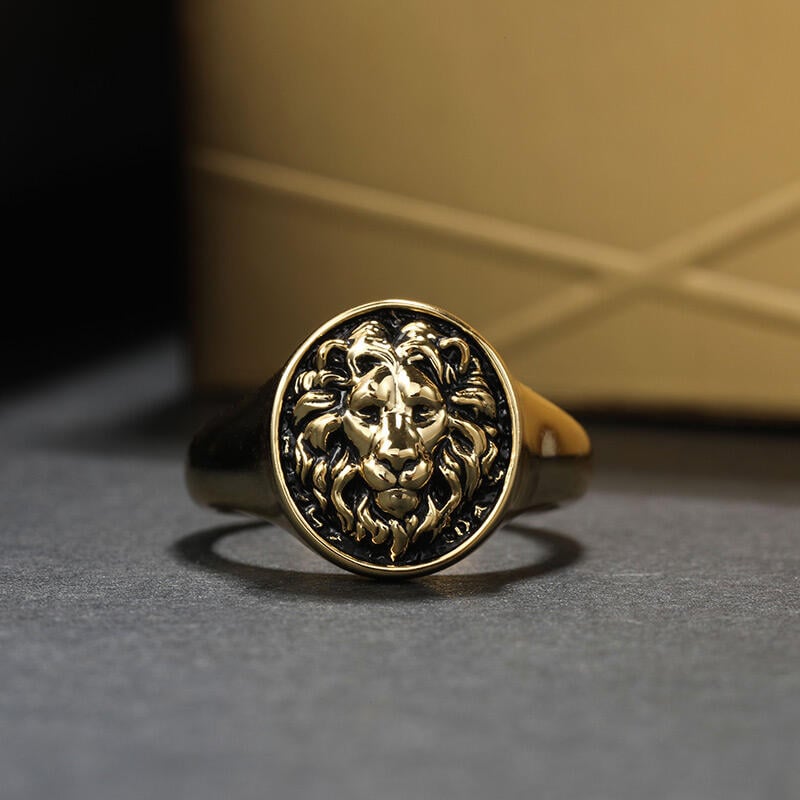
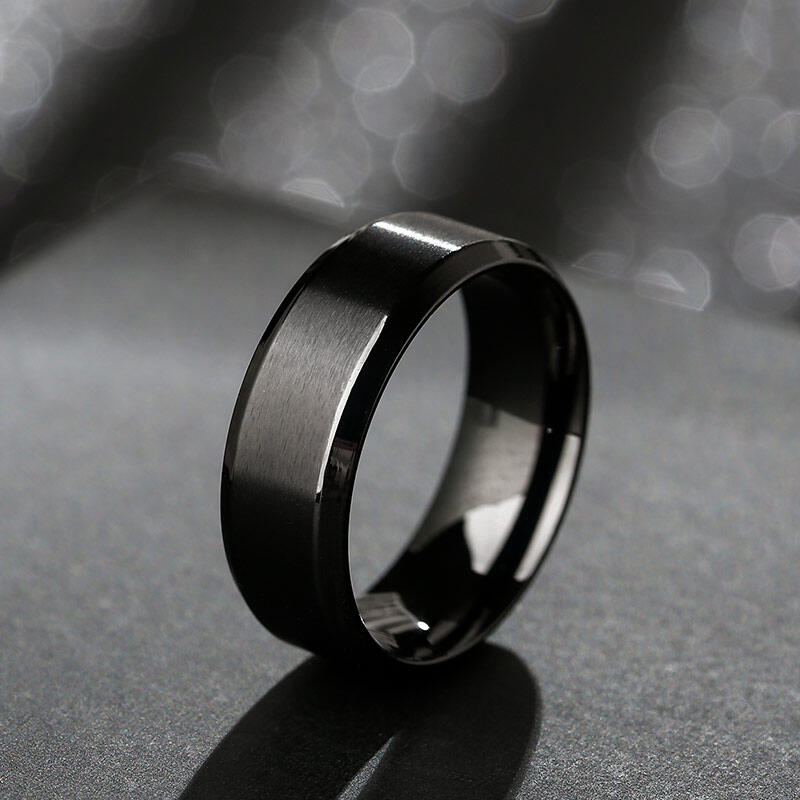
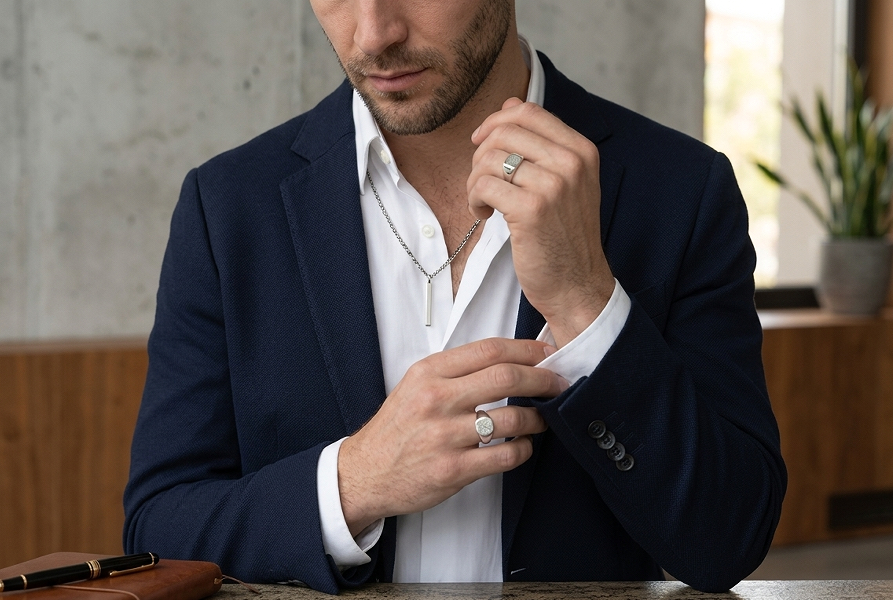
Rings carry significant visual weight. Beyond a wedding band, aim for one or two additional pieces spread across different hands. Avoid crowding multiple rings on a single finger or wearing something on every digit. The goal is intentional spacing, not a full set.
Necklaces
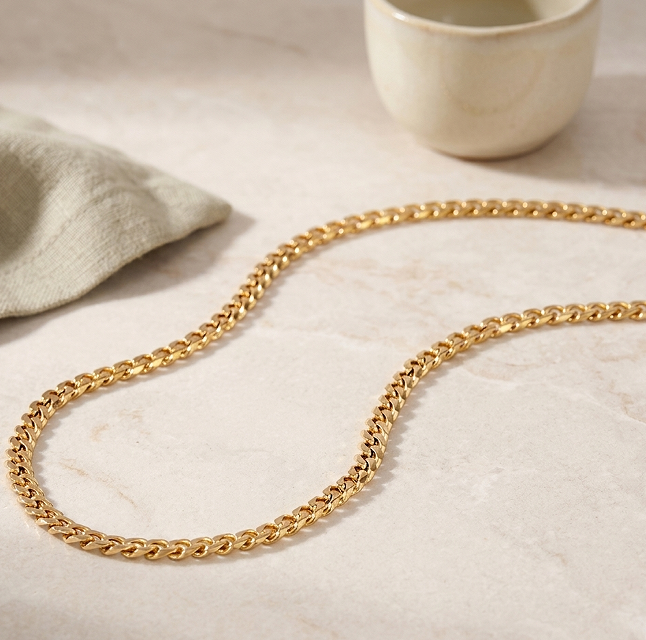
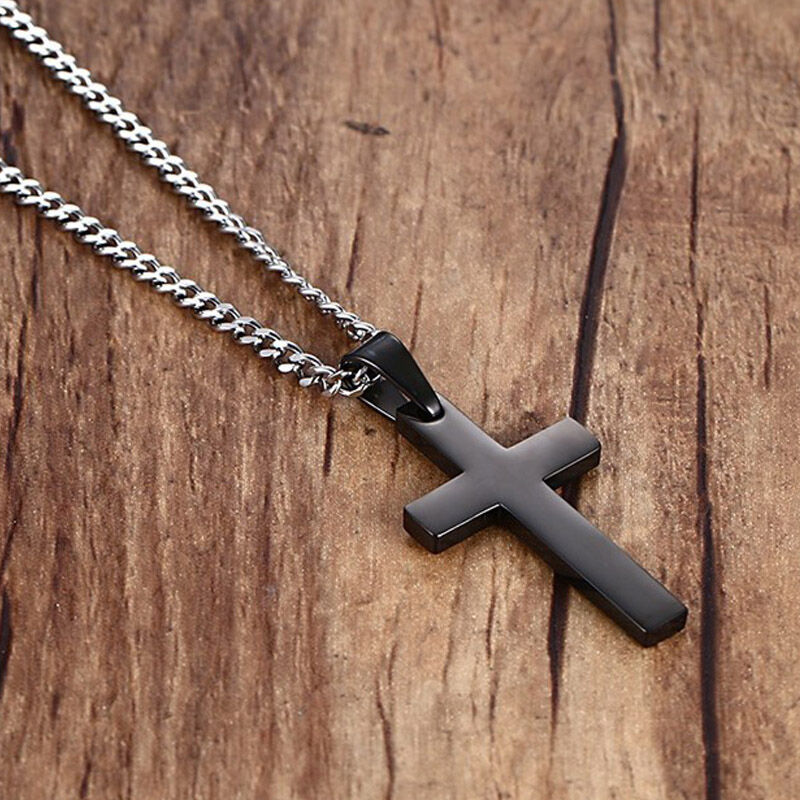
For a subtle look, men’s necklaces are best kept close to the chest. A slim chain worn under a shirt provides a hint of detail that is only revealed when you move. If you add a pendant, choose something small and geometric rather than a large, high-glare medallion. The necklace should whisper, not shout.
Bracelets
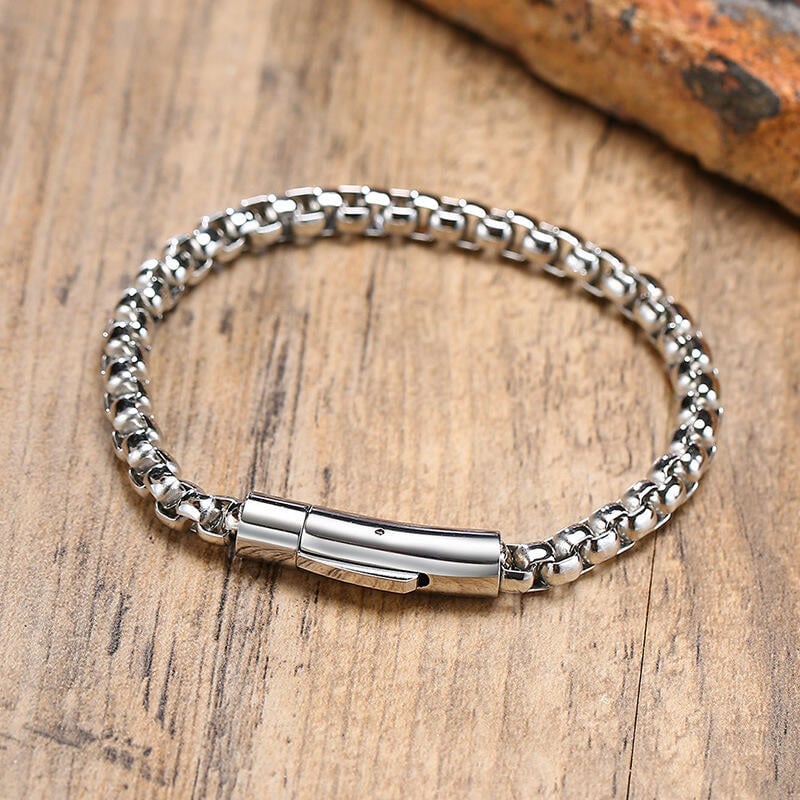
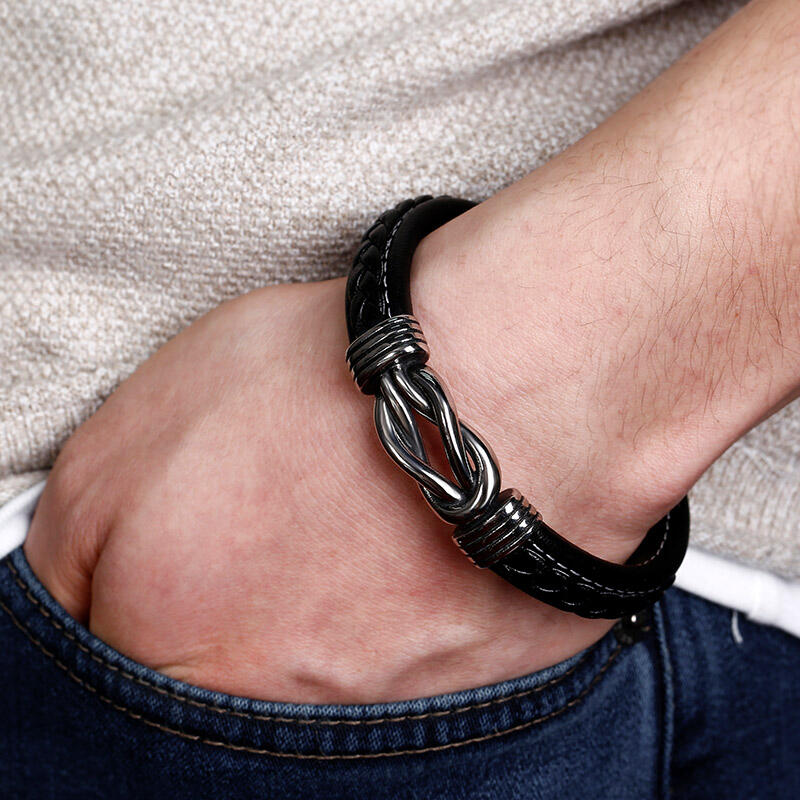
Bracelets add personality to your wrist, but fit matters. A bracelet should not pinch, nor should it slide halfway up your arm. When stacking, limit yourself to one or two pieces. Mixing a leather cuff with a metal watch is a classic move—it adds sophisticated contrast without looking like you are trying too hard.
The Rule of Three for Men’s Jewelry Stacking
A common mistake is wearing too many pieces at once. A good rule of thumb for beginners is to stick to a maximum of three visible pieces.
Think of it as an ensemble:
- The Watch: Your anchor piece.
- The Ring: A statement on the finger.
- The Bracelet or Necklace: A subtle accent.
By limiting your pieces, you ensure that each item has room to breathe and actually serves a purpose in your outfit, rather than turning you into a walking treasure chest.
Let the Occasion Dictate the Piece
Context is everything. You wouldn’t wear a tuxedo to the beach, and you shouldn’t wear a heavy, iced-out chain to a quarterly board meeting.
- For the Office: Stick to a professional watch and perhaps a single, subtle ring. Let the jewelry be a detail that people notice once they get close, not something that catches the light from across the room.
- For the Weekend: You have more freedom. A leather cuff or a beaded bracelet can add a rugged, casual touch to a t-shirt and jeans.
- For Formal Events: Let your cufflinks or a classic watch handle the heavy lifting. Formal wear is about clean lines; keep the jewelry minimal to match.
Avoiding a “flashy” aesthetic for men’s jewelry isn’t about restriction—it’s about curation. By focusing on cohesive tones, disciplined proportions, and muted textures, you elevate jewelry from a mere accessory to a core component of your personal architecture.
More Jeulia Post: