
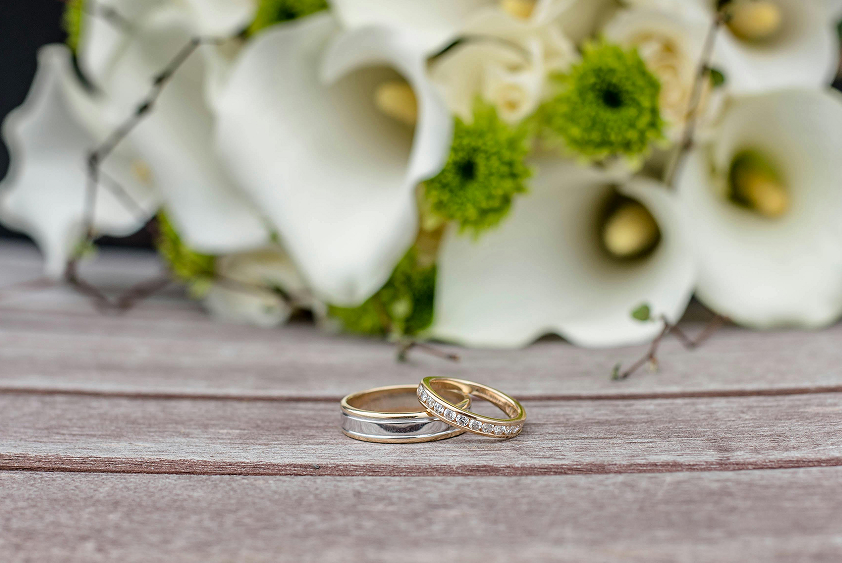
Mixed metal jewelry refers to the design of combining two or more metals of different colors or types into a single piece. Common combinations include yellow gold with white gold, yellow gold with rose gold, silver with rose gold, and even precious metals paired with stainless steel, titanium, and other materials. Whether you’re layering delicate chains or stacking bold cuffs, mixing metals allows for personal expression that a single metal simply cannot achieve.
This guide explores why mixed metal jewelry has become so popular, the common types, and how to style and maintain it.
Navigate to:
- 1 Why Mixed Metal Jewelry Is Having a Moment
- 2 The Basic Principles of Mixing Metals
- 3 Types of Mixed Metal Jewelry
- 4 How to Start Your Mixed Metal Journey
- 5 How to Coordinate Mixed Metal Jewelry with Outfits
- 6 Common Mistakes on Metal Mix and How to Fix Them
- 7 Caring for Mixed Metal Jewelry
- 8 Final Thoughts
Why Mixed Metal Jewelry Is Having a Moment
Mixed metal jewelry is having a moment, reflecting a broader shift in fashion toward individuality and self-expression. The rise of the stacking trend—layered necklaces, stacked rings, and piled-on bracelets—has made mixing metals feel intentional rather than accidental. Luxury heritage brands like Cartier and Tiffany & Co. have long embraced two-tone designs, lending the trend credibility and elegance. At the same time, modern dressing has moved away from rigid matching rules, valuing authenticity over perfection. Mixed metals fit perfectly into this relaxed approach. Mixing metals also offers practical freedom: you no longer need to coordinate every new jewelry purchase with what you already own.
The Basic Principles of Mixing Metals
If you’re new to mixing metals, the thought can feel a little intimidating. Will it look intentional or accidental? The good news is that with a few simple principles, anyone can master the art.
Choose a Dominant Metal
The easiest way to create cohesion is to let one metal take the lead. If your outfit or your overall jewelry collection leans warm, let gold dominate and use silver as an accent. Prefer cool tones? Let silver or white gold take center stage. The dominant metal provides a visual anchor, while the secondary metal adds interest.
Start with Two Metals
Three is the magic number for advanced mixers, but beginners should start with two. A combination of gold and silver, or gold and rose gold, is easier to manage and harder to get wrong.
Use Neutral Metals as Bridges
White gold, platinum, and silver act as neutral connectors. They naturally bridge the gap between warm metals (yellow gold, rose gold) and cooler tones. If you’re wearing a gold necklace and rose gold earrings, adding a silver bracelet can tie everything together.
Create Unity Through Texture or Style
If the metals themselves vary, let something else create harmony. Matching textures—like all polished finishes or all matte surfaces—can unify a mixed metal look. Similarly, jewelry with similar design elements (like chain styles, gemstone settings, or geometric shapes) will feel cohesive even when the metals differ.
Don’t Overthink Skin Tone (But Know the Basics)
You’ve probably heard the traditional advice: cool skin tones suit silver and white gold, while warm skin tones flatter yellow and rose gold. If you’re unsure where to start, this can be a helpful guideline.
Remember: these are suggestions, not rules. Wear what makes you happy.
Types of Mixed Metal Jewelry
Before you start mixing, it helps to know what’s out there. Mixed metal jewelry comes in many forms, each offering a different way to experiment with the trend.
Two-Tone Rings
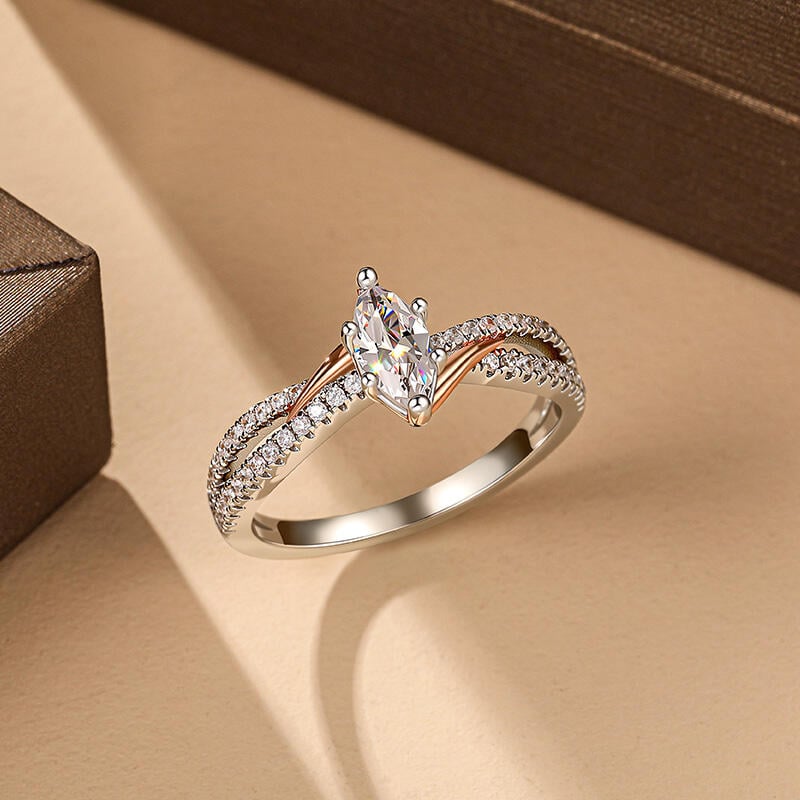
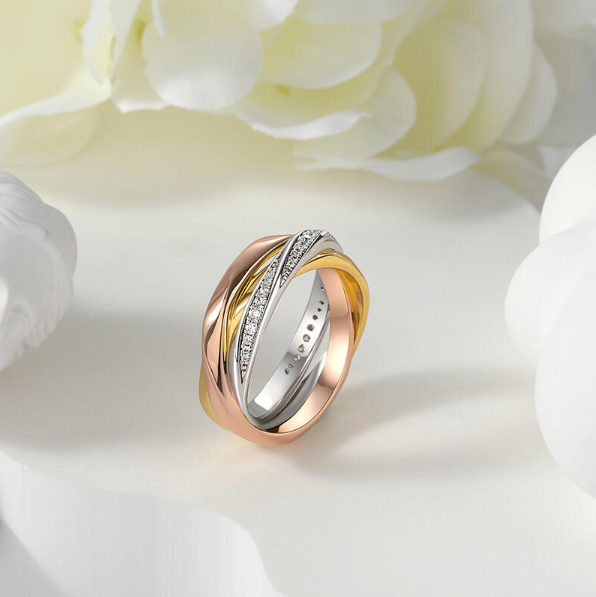
A classic entry point. These rings combine two metals—like yellow gold and white gold—in a single band, offering an effortless way to wear mixed metals without overthinking. Twist bands, interlocking designs, and rings with contrasting inner and outer finishes are all popular options.
Mixed Metal Necklaces
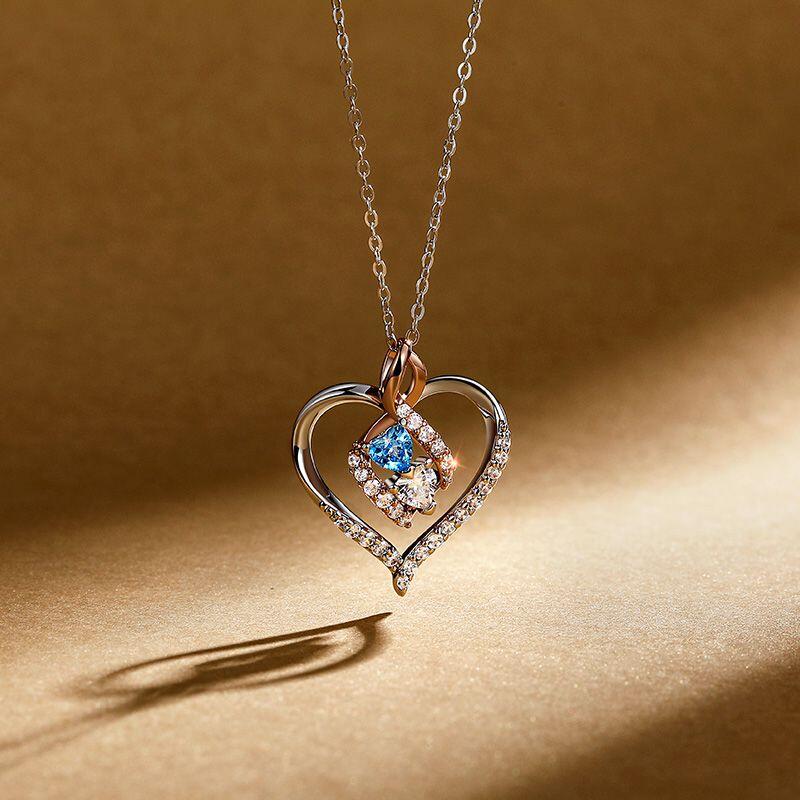
From dual-tone chains to layered looks with different metals, necklaces offer plenty of room for creativity. A single piece that blends metals can serve as the anchor for your entire look. Pendant necklaces with mixed metal details are especially versatile.
Stackable Rings & Bracelets
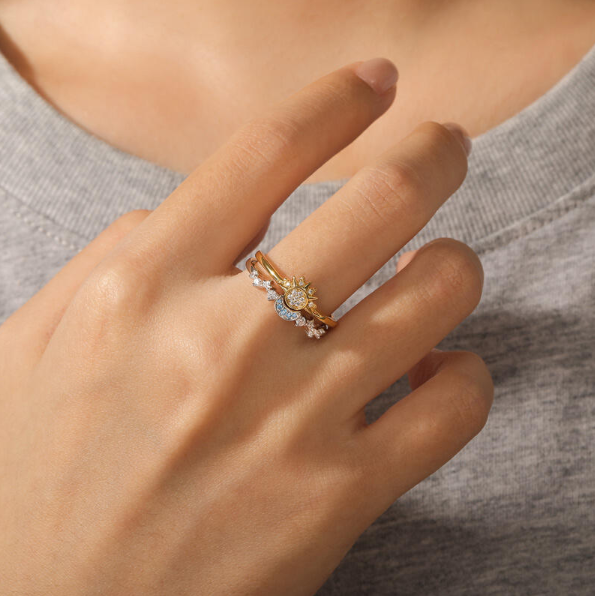
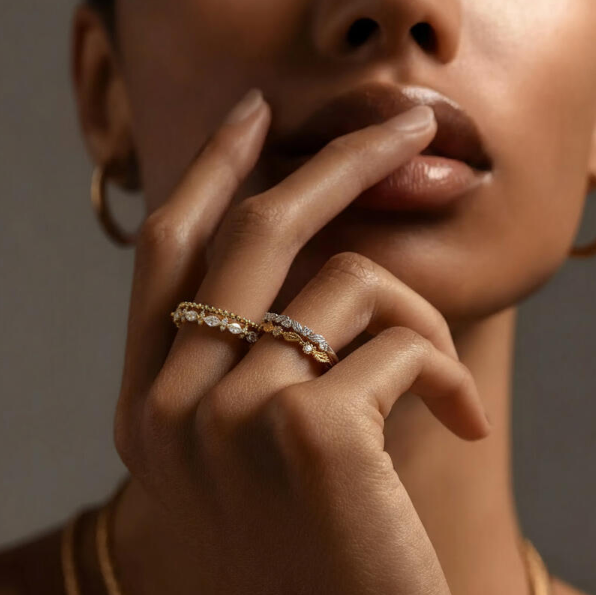
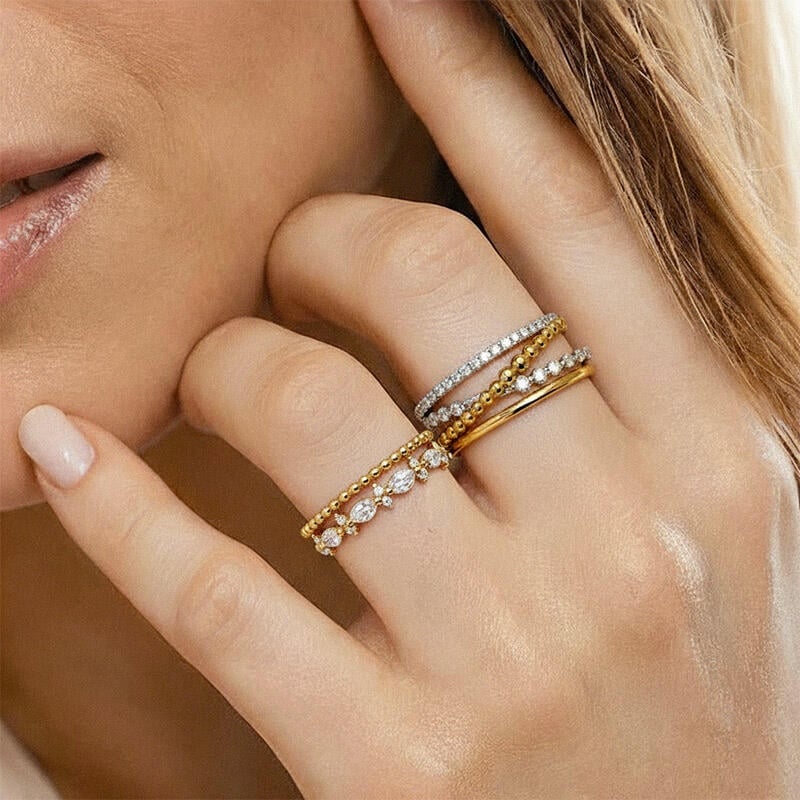
This is where mixing becomes personal. By stacking individual rings or bracelets in gold, silver, and rose gold, you can create a combination that’s uniquely yours—and change it up anytime. The key is to vary widths and textures for a curated look.
Mixed Metal Earrings
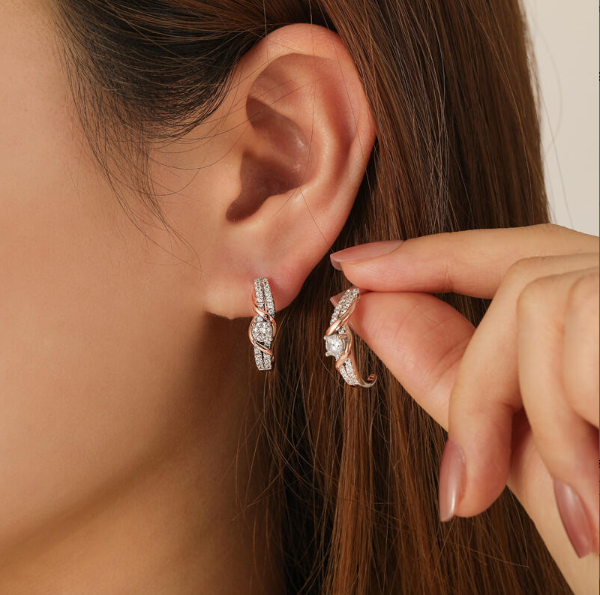
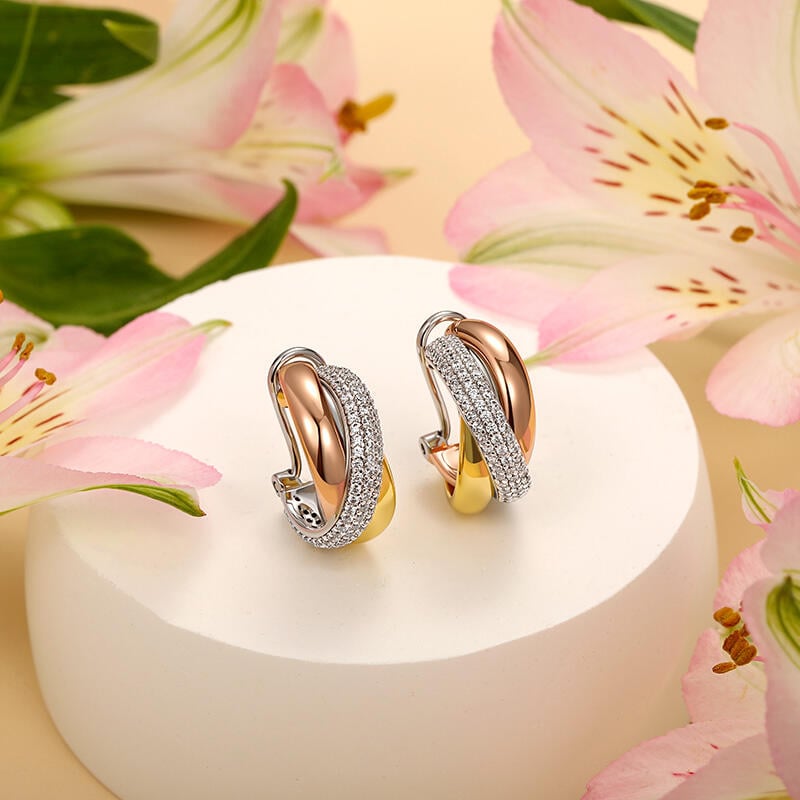
Whether it’s a single earring that combines two metals or an asymmetrical pair (gold in one ear, silver in the other), earrings are a low-commitment way to test the waters. Hoop earrings with mixed metal details are particularly on-trend.
Statement Cuffs & Bangles
For those who prefer bold pieces, a mixed metal cuff or bangle makes a strong impression. The contrast between metals is front and center, turning the bracelet itself into a conversation piece. Look for designs with clean lines that let the metals speak for themselves.
Mixed Metal Watches
Often overlooked, watches are one of the most practical ways to incorporate mixed metals into daily wear. A watch with a rose gold case and stainless steel band, for example, pairs seamlessly with both gold and silver jewelry—making it a natural bridge piece for any collection.
How to Start Your Mixed Metal Journey
Ready to give it a try? The key is to start small. You don’t need to overhaul your jewelry collection overnight. Begin with low-stakes pieces that let you experiment without pressure.
Start with a Two-Tone Piece
The easiest way to ease into mixing metals is to let a single piece do the work for you. A two-tone ring, a mixed metal necklace, or a bangle that combines gold and silver gives you a ready-made mixed metal anchor. Build the rest of your jewelry around it.
Layer What You Already Own
Before buying anything new, look at what you already own. Try layering a gold necklace with a silver chain. Stack a few gold rings alongside a silver band. You might discover that the pieces you already have work beautifully together.
Use the “One for Each Hand” Rule
If you’re feeling hesitant, keep metals separate by hand. Wear a gold watch and gold rings on one wrist, and a silver bracelet and silver rings on the other. It’s a subtle way to introduce mixing without committing to a fully blended look.
Invest in a Transition Piece
A single piece that combines multiple metals can act as a bridge between everything else you wear. A mixed metal chain necklace or a pair of two-tone earrings can connect gold pieces on one side of your body with silver pieces on the other.
Pro Tip: Use Your Phone Camera
Sometimes it’s hard to judge balance in the mirror. Take a photo of your jewelry stack—photos often reveal whether the proportions feel right.
How to Coordinate Mixed Metal Jewelry with Outfits
Once you’re comfortable with the basics, it’s time to think about how your mixed metal jewelry works with what you wear.
Consider Your Outfit’s Color Temperature
A simple way to guide your metal choices is to look at what you’re wearing. Cool-toned outfits—blues, grays, blacks, whites—naturally complement silver, white gold, and platinum. Warm-toned outfits—browns, tans, creams, burgundies—pair beautifully with yellow gold and rose gold.
But here’s where mixing shines: you don’t have to choose. A cool-toned outfit with gold accents, or a warm-toned outfit with silver details, creates intentional contrast that feels modern and fresh.
Let Jewelry Guide the Look
If your outfit is neutral—say, a white blouse and jeans—let your jewelry take the lead. A mix of metals becomes the focal point, adding interest to an otherwise simple outfit. This is a great opportunity to experiment with bolder combinations.
Match the Occasion
For casual wear, anything goes. Stack rings, layer necklaces, and mix with abandon. For professional or formal settings, consider a more restrained approach. A two-tone watch, a pair of mixed metal stud earrings, or a single mixed metal cuff feels polished without being overwhelming.

Common Mistakes on Metal Mix and How to Fix Them
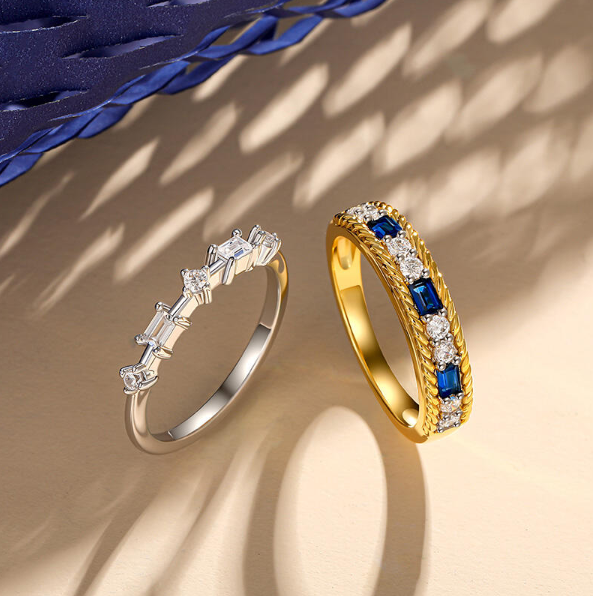
Even seasoned jewelry lovers can make missteps. Here are the most common mistakes—and how to fix them.
Mistake 1: Too Many Metals Without a Focus
Wearing yellow gold, rose gold, silver, and blackened metal all at once can feel chaotic.
Fix: Stick to two or three metals, and let one dominate. If you’re wearing four metals, choose one to be the primary and treat the others as accents.
Mistake 2: Ignoring Scale and Proportion
When every piece is bold, nothing stands out.
Fix: Balance statement pieces with delicate ones. If you’re wearing a chunky mixed metal cuff, pair it with thin, simple rings. If your necklace is bold, keep earrings minimal.
Mistake 3: Clashing Textures
Mixing metals is one thing; mixing textures without intention is another. A high-polish gold ring next to a matte silver bracelet can feel disjointed.
Fix: Create texture harmony. Either let one texture dominate, or use texture as a unifying element—for example, all hammered finishes or all polished surfaces.
Mistake 4: Overlooking the Details
Sometimes the issue isn’t the jewelry itself, but the small details—like a gold clasp on a silver chain or a silver buckle on a gold watch band.
Fix: Pay attention to connectors, clasps, and hardware. When these small elements align with your overall metal mix, the look feels intentional and polished.
Caring for Mixed Metal Jewelry
When it comes to cleaning, not all mixed metal jewelry is the same. The approach depends on whether the metals are physically separate or permanently fused.
Scenario 1: Separate Pieces (Stackable Rings, Layered Necklaces)
If your mixed metal look comes from wearing multiple individual pieces together, cleaning is straightforward. Remove each piece and clean them separately using the appropriate method:
- Gold: Warm water, mild dish soap, and a soft cloth
- Silver: Specialized silver polish or a silver cleaning cloth
- Rose Gold: Gentle soap and water; avoid harsh chemicals
- Stainless Steel & Titanium: Warm water and mild soap
Scenario 2: Fused Designs (Two-Tone Rings, Mixed Metal Bangles)
For pieces where different metals are permanently combined—like a twisted two-tone ring or a gold-and-silver cuff—you cannot separate them for cleaning. In this case, never use specialized cleaners designed for a single metal (like silver dip), as they may damage the other metal.
Instead, use the gentlest method that works for all metals involved:
- Mix a few drops of mild dish soap with warm (not hot) water
- Soak the piece for no more than 2–3 minutes
- Gently scrub with a soft-bristled toothbrush (baby toothbrushes work well)
- Rinse thoroughly with clean water
- Pat dry immediately with a soft, lint-free cloth—do not air dry
This gentle, universal method is safe for gold, silver, rose gold, and most other common jewelry metals.
Store Properly
Store fused pieces (like two-tone rings) in a soft-lined box or pouch, keeping them separated to prevent scratches. Store separate pieces (like stackable rings) by metal type to avoid galvanic corrosion, using compartmented boxes or anti-tarnish pouches—wrap pieces if they share space. Keep all jewelry in a cool, dry place away from humidity.
Daily Habits
- Put jewelry on after applying lotion, perfume, and hairspray
- Remove jewelry before swimming, showering, or cleaning
- Wipe pieces with a soft cloth after each wear to remove oils and moisture
Final Thoughts
Mixed metal jewelry represents a beautiful shift in how we think about personal style. It frees us from the obligation to match, inviting us instead to wear what we love, what feels right, and what tells our story.
Whether you start with a single two-tone ring or dive headfirst into stacking and layering, the goal is the same: to create looks that feel authentic to you. After all, the best jewelry rule is the one you make yourself.
More Jeulia Post: