
Alexandrite is one of three birthstones for June, alongside pearl and moonstone. Known as the “chameleon of the gem world,” it’s also one of the rarest and most sought-after gems on Earth. Whether you’re a June baby, a gemstone collector, or simply someone who appreciates nature’s wonders, here are ten fascinating facts about June birthstone alexandrite you won’t want to miss.
Navigate to:
- 1 The History of June Birthstone Alexandrite
- 2 June Birthstone Alexandrite’s Color Change
- 3 The Science Behind Alexandrite Color Change
- 4 The Symbolism of June Birthstone Alexandrite
- 5 June Birthstone Alexandrite Origin
- 6 The Quality Factors of Alexandrite
- 7 June Birthstone Alexandrite Durability
- 8 The Rarity of Natural Alexandrite
- 9 Lab-Created Alexandrite
- 10 Gemstone for 55th Wedding Anniversary
- 11 Final Thoughts
The History of June Birthstone Alexandrite
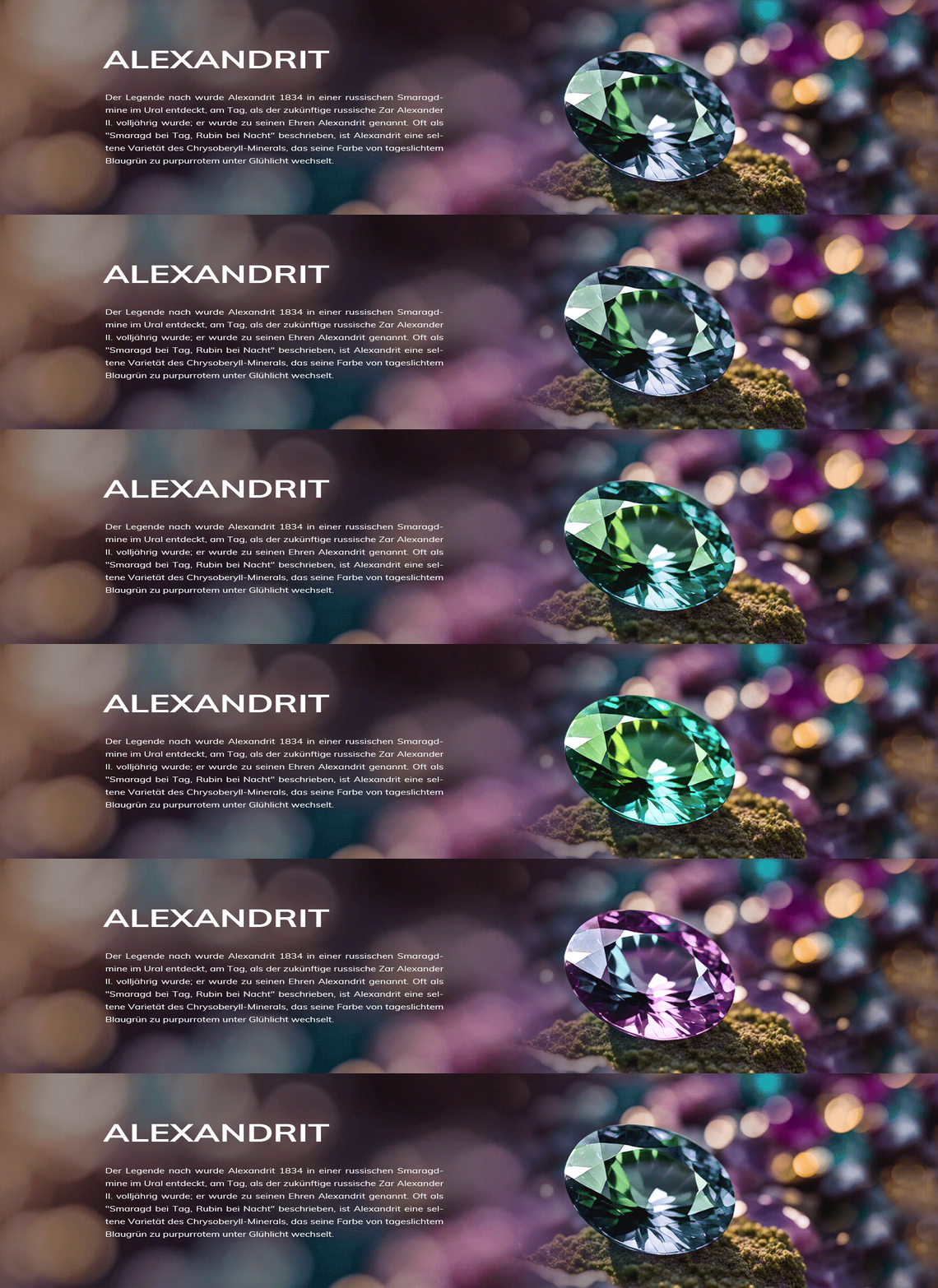
Alexandrite was discovered in 1834 in the Ural Mountains of Russia, inside an emerald mine. The discovery happened around the time of the future Tsar Alexander II’s coming of age, and the gem was named in his honor.
The timing was serendipitous: the stone’s green and red colors mirrored the national colors of the Russian Empire. It quickly became the country’s official gemstone and was cherished by Russian aristocracy.
June Birthstone Alexandrite’s Color Change
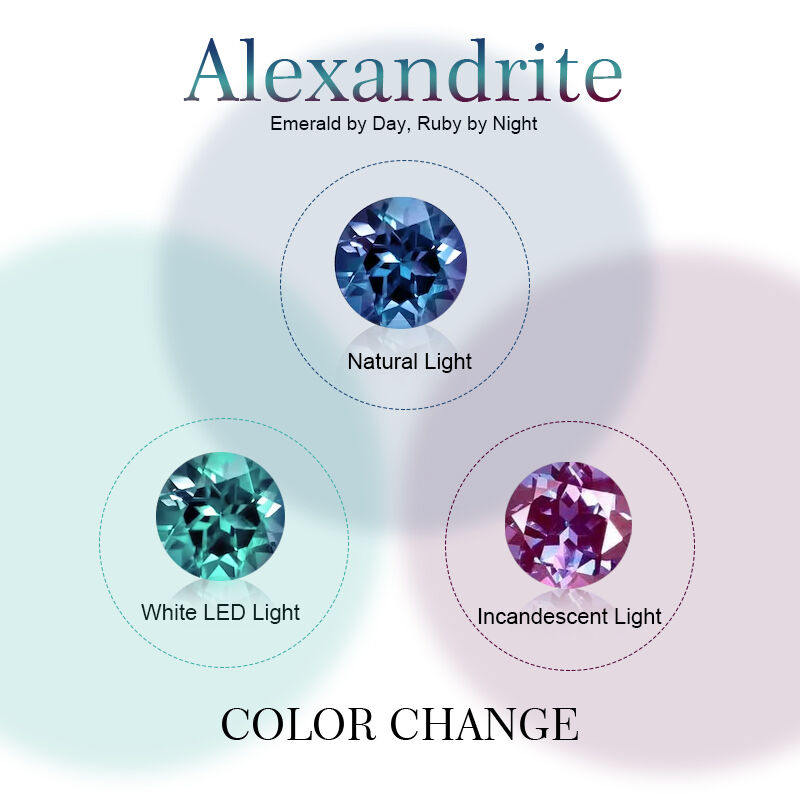
Alexandrite’s most famous trait is its dramatic color change. This phenomenon occurs because of how the stone interacts with different light sources.
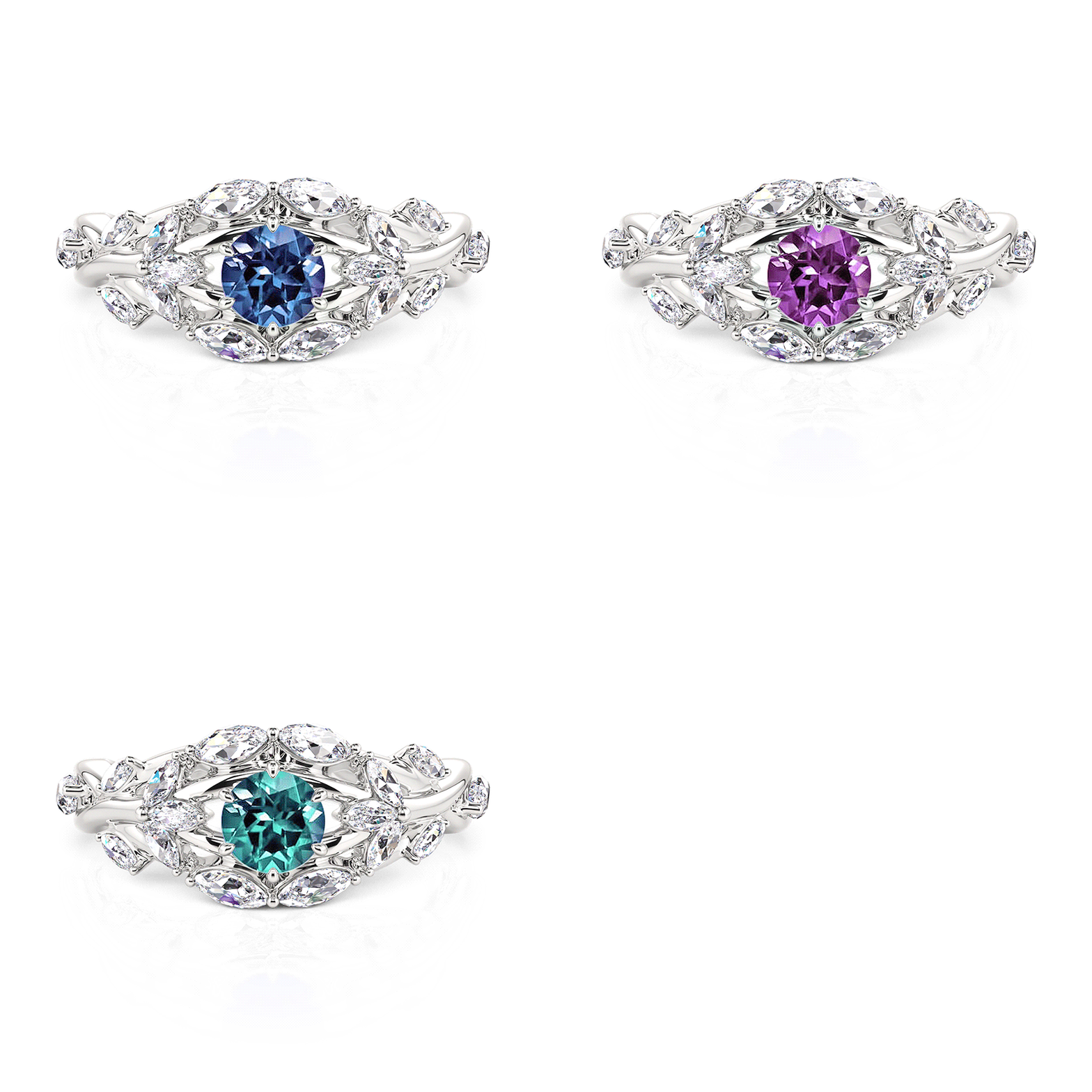
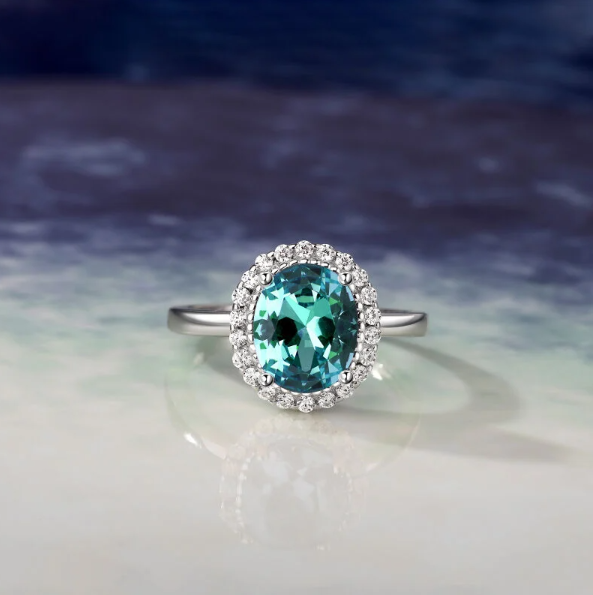
- In daylight or fluorescent light (which is rich in blue and green wavelengths), alexandrite appears green, bluish-green, or teal.
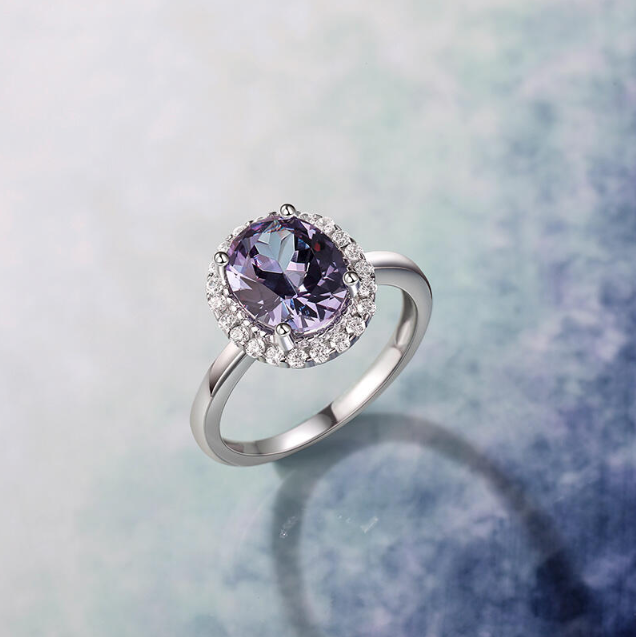
- In incandescent light or candlelight (rich in red wavelengths), it transforms into red, raspberry, or purplish-red.
This effect is so distinctive that alexandrite is often described as “emerald by day, ruby by night.”
The Science Behind Alexandrite Color Change
The color change is caused by trace amounts of chromium in the gem’s crystal structure. Chromium absorbs certain wavelengths of light and transmits others, and the balance shifts dramatically depending on the light source.
Interestingly, chromium is the same element that gives emeralds their green color and rubies their red color. In alexandrite, it produces both—depending on the light.
The Symbolism of June Birthstone Alexandrite
In the Victorian era, alexandrite was considered a stone of balance. Its green and red colors were thought to represent the harmony between the physical world (green, nature) and the emotional world (red, passion).
It is also regarded as a stone of good luck and transformation. Because the gem adapts to different light sources, it came to symbolize adaptability and resilience—qualities valued in any era.
June Birthstone Alexandrite Origin
The Ural Mountains were the only source of alexandrite for decades after its discovery. By the late 19th century, the mines were largely depleted.
Today, most natural alexandrite comes from Brazil, Sri Lanka, Madagascar, and East Africa. Ural-mined alexandrite is now extremely rare and highly prized by collectors, often found only in antique jewelry or museum collections.
The Quality Factors of Alexandrite
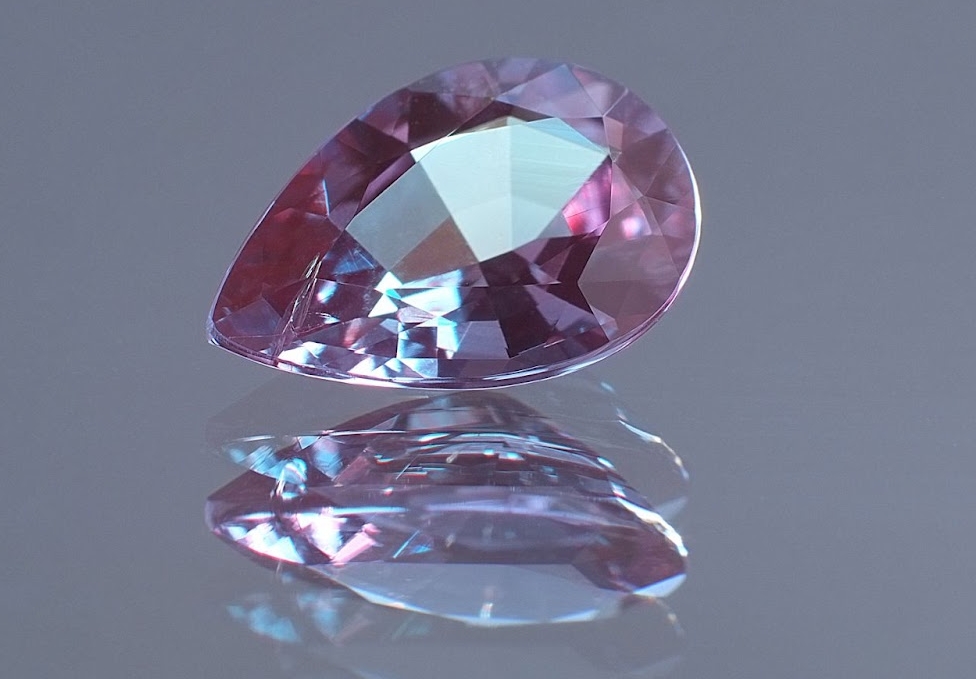
When evaluating alexandrite, gemologists prioritize color change over clarity or carat weight.
A top-quality alexandrite displays a near-100% color shift: vivid blue-green in daylight and intense red or purplish-red in incandescent light. Stones with weak color change—such as shifting from grayish-green to grayish-purple—are far less valuable.
Clarity is important, but even a stone with minor inclusions can command a high price if its color change is exceptional.
June Birthstone Alexandrite Durability
Alexandrite ranks 8.5 on the Mohs scale of hardness. To put that in perspective:
- Diamond is 10
- Ruby and sapphire are 9
- Alexandrite sits firmly between them
This makes alexandrite exceptionally durable and suitable for everyday wear. Rings, bracelets, and necklaces set with alexandrite can withstand the wear and tear of daily life without losing their brilliance.
The Rarity of Natural Alexandrite
High-quality natural alexandrite, especially in sizes over one carat, is significantly rarer than diamond.
The crystal structure of alexandrite tends to produce flat, thin formations with inclusions, making it difficult to cut large, clean gemstones. Stones over five carats are exceptionally rare and appear only at high-end auctions.
Lab-Created Alexandrite
Because natural alexandrite is scarce and expensive, the market offers lab-created alexandrite as an accessible alternative.
Synthetic alexandrite has the same chemical composition, hardness, and color-change properties as natural alexandrite. It is a legitimate option for those who love the stone’s beauty but prefer a more approachable price point.
Gemstone for 55th Wedding Anniversary
Beyond being the birthstone for June, alexandrite is also the traditional gemstone for the 55th wedding anniversary.
Its rarity and durability make it a fitting symbol for a marriage that has endured for more than five decades. For collectors and romantics alike, alexandrite represents love that only grows more remarkable with time.
Final Thoughts
In a world filled with diamonds that glitter and pearls that glow softly, alexandrite does something entirely different: it transforms. Whether you were born in June, are searching for an alexandrite birthstone necklace, celebrating a milestone wedding anniversary, looking for an alexandrite ring, or simply appreciating nature’s rarest creations, alexandrite rewards those who take a second look. Just like love, its beauty isn’t fixed—it deepens and transforms with every glance, every light, every passing year, revealing something new each time you look.
FAQs
Q: What’s the birthstone for June?
A: June has three birthstones. Pearl and moonstone are the traditional birthstones, while alexandrite is the modern addition.
Q: Can you wear alexandrite jewelry everyday?
A: Yes, alexandrite is an excellent choice for everyday wear. Ranking 8.5 on the Mohs scale of hardness, it is highly durable and resistant to scratches.
Q: Which zodiac can wear alexandrite?
A: Generally, anyone can wear alexandrite. However, it is traditionally associated with Gemini and Cancer, as it is the birthstone for June—a month that spans both signs. In astrological traditions, alexandrite is also considered a powerful stone for Scorpio, as its color-changing nature resonates with Scorpio’s themes of transformation, depth, and rebirth.
Q: What stone or metal pairs well with alexandrite?
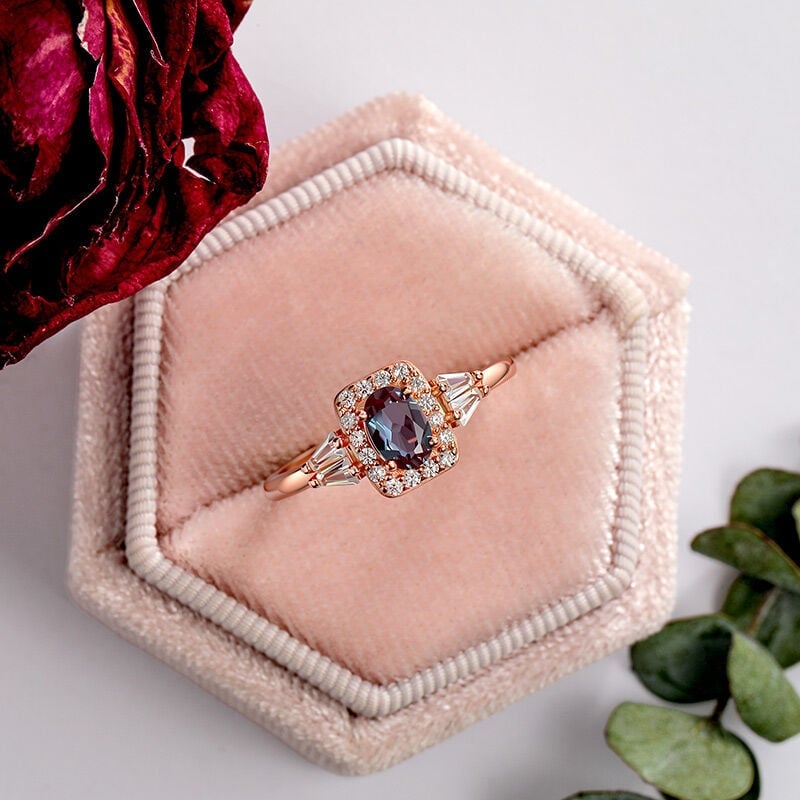
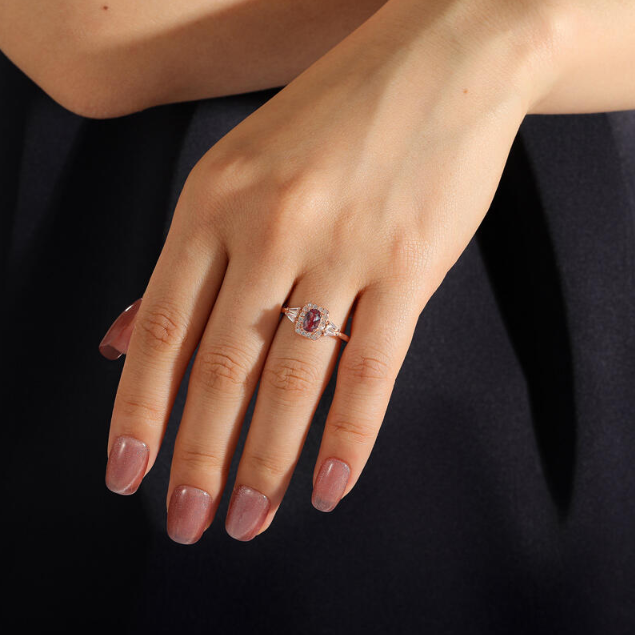
A: Alexandrite pairs beautifully with diamonds, which provide a neutral backdrop that lets its dramatic color change shine. It also complements pearls (the other June birthstone), white sapphires, and moonstone for a harmonious look. For metal settings, rose gold enhances its reddish-purple tones, while white gold or platinum accentuates its cool green hues.
More Jeulia Post: