
Minimalist jewelry whispers. And somehow, that whisper is louder than any shout. It embodies a simple but radical idea: that jewelry should enhance the person wearing it, not overshadow them. It’s a return to quality over quantity, intention over impulse.
But what exactly makes a piece of jewelry “minimalist”? And why are so many of us drawn to this aesthetic? In this guide, we’ll explore the philosophy behind minimalist jewelry, how to build a collection that lasts, and how to style your pieces for any occasion.
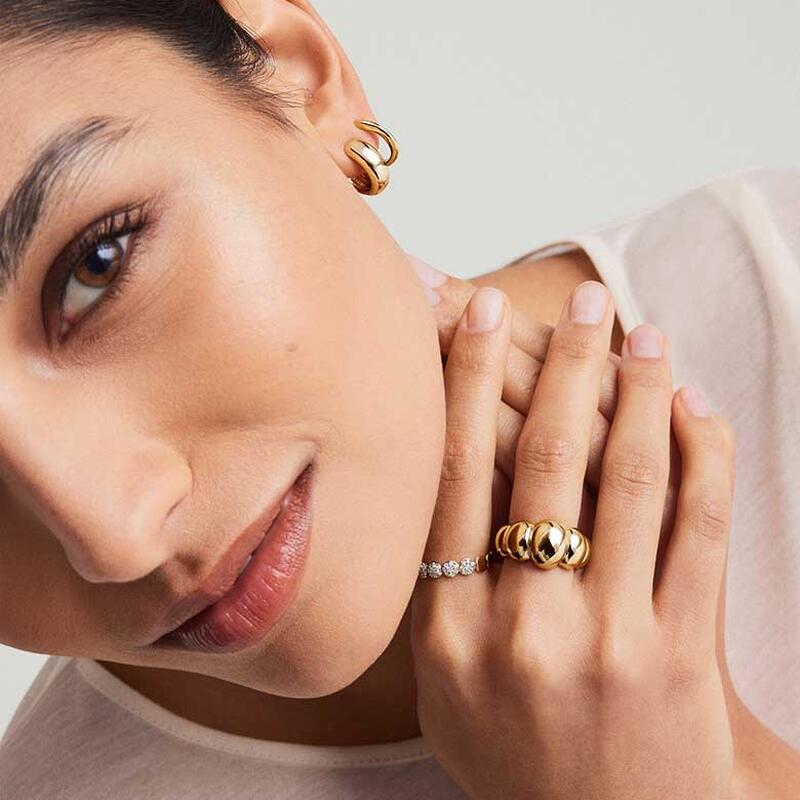
Navigate to:
What Is Minimalist Jewelry?
Minimalist jewelry isn’t simply “small” or “plain.” It’s a design philosophy rooted in intentionality. Every line, every curve, every absence of decoration serves a purpose.
Here are the characteristics that define the minimalist aesthetic:
Clean Lines: Minimalist jewelry favors unbroken lines over intricate details. A simple bangle, a straight bar necklace, a smooth band—these pieces let the form speak for itself.
Geometric Shapes: Circles, squares, triangles, and rectangles form the vocabulary of minimalist design. These shapes feel timeless and grounded, free from the whims of seasonal trends.
Neutral Metals: Gold, silver, rose gold, and platinum take center stage. There’s no colored enamel, no ornate gemstone settings—just the quiet beauty of the metal itself.
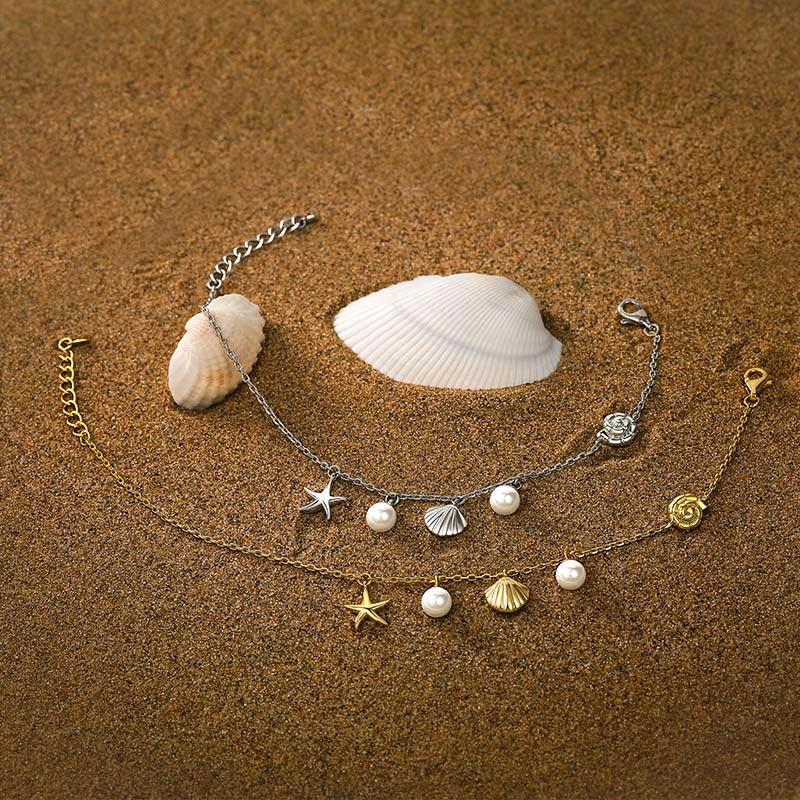
Wearable Scale: Minimalist pieces are typically modest in size. They sit close to the body, move with you naturally, and never feel cumbersome. They’re jewelry you can forget you’re wearing—until you catch a glimpse of light reflecting off your wrist.
Timeless Over Trendy: A true minimalist piece doesn’t chase what’s popular this season. It’s designed to look as good in twenty years as it does today.
As one designer put it: “Minimalist jewelry isn’t about being invisible—it’s about letting the wearer shine through, not the ornament.”
Why Choose Minimalist Jewelry?
The appeal of minimalist jewelry goes far beyond aesthetics. Here’s why so many of us are making the shift.
The Versatility Factor
A well-chosen minimalist piece can go anywhere. Pair a delicate gold chain with a t-shirt and jeans for coffee runs. Wear it with a silk dress for date night. Pack a few minimalist pieces for a week-long trip, and you’ll have something that works for every occasion.
This versatility isn’t just convenient—it’s liberating. You stop asking “Does this match?” and start simply enjoying what you wear.
The Timeless Appeal
Think about the jewelry your grandparents wore. Chances are, the pieces that survived—the ones still worn and loved—are the simple ones. A plain wedding band. A simple strand of pearls. A gold bangle passed down through generations.
Minimalist design doesn’t date itself. It exists outside of trends, which means it never goes out of style. Invest in a well-made minimalist piece today, and you’re investing in something you’ll still love decades from now.
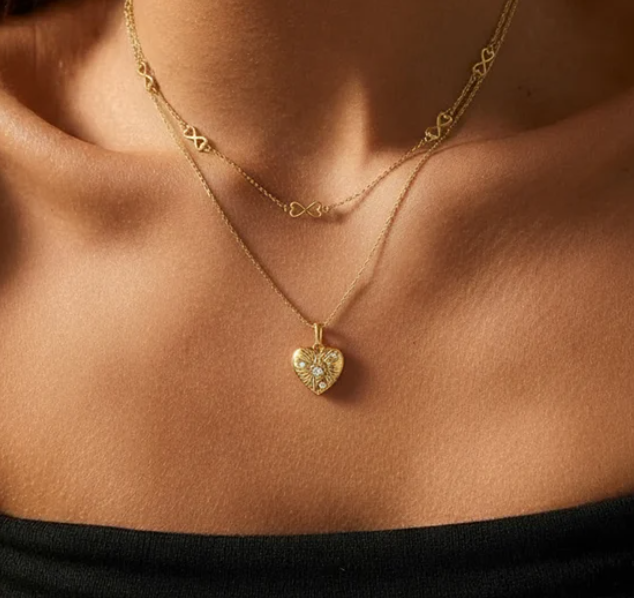
The Quality Over Quantity Mindset
When you’re not spending on elaborate designs or multiple gemstones, you can put your budget where it matters: quality.
A simple gold band reveals every scratch, every uneven edge. There’s nowhere to hide. That’s why minimalist jewelry demands exceptional craftsmanship. And when you hold a well-made minimalist piece, you feel the difference—the weight, the smoothness, the way it sits on your skin.
This aligns with a broader cultural shift toward sustainability. Buy less, choose well, make it last. Minimalist jewelry embodies that philosophy.
The Personal Expression
Here’s the paradox: by being less assertive, minimalist jewelry allows more of you to come through.
When your jewelry doesn’t scream for attention, people notice you—not just what you’re wearing. The pieces become part of your identity, extensions of yourself rather than distractions from who you are.
“Minimalist jewelry doesn’t compete with you,” one wearer explained. “It completes you.”
How to Build a Minimalist Jewelry Collection
Building a minimalist collection isn’t about buying everything at once. It’s about choosing pieces intentionally, one at a time, until you have a curated set that works for your life.
The Essentials: Where to Start
Begin with a piece that feels like you. Wear it every day for a week. Notice how it feels, how it catches the light, how it becomes part of your routine.
Then, when you’re ready, add another. Slowly, intentionally, until you have a collection that feels like you.
| Category | Recommended Piece | Why It’s Essential |
|---|---|---|
| Earrings | Simple studs (gold balls, small diamonds, or pearls) | The ultimate everyday piece—barely there but always elegant |
| Earrings | Thin hoops (1-2cm diameter) | More presence than studs, still subtle—perfect for dressing up or down |
| Necklace | Fine chain (14K/18K, 16-18 inches) | The foundation of any collection—wear alone or layer with others |
| Bracelet | Thin bangle or delicate chain bracelet | Adds subtle interest to your wrist, pairs well with watches |
| Ring | Classic band (2-4mm width) | Can be worn alone or stacked with others for variety |
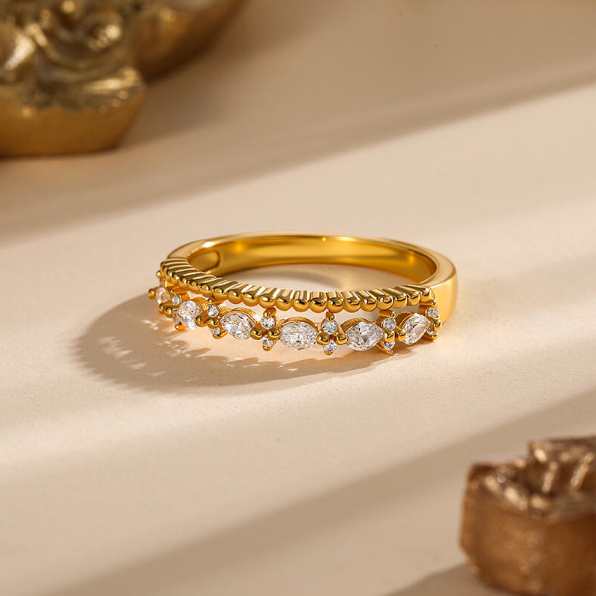

How to Stack Minimalist Jewelry
Once you have your essentials, layering opens up endless possibilities.
For necklaces: Mix lengths. A 16-inch choker paired with an 18-inch pendant and a 20-inch longer chain creates visual interest without crowding. Three is the magic number—odd numbers tend to look more intentional.
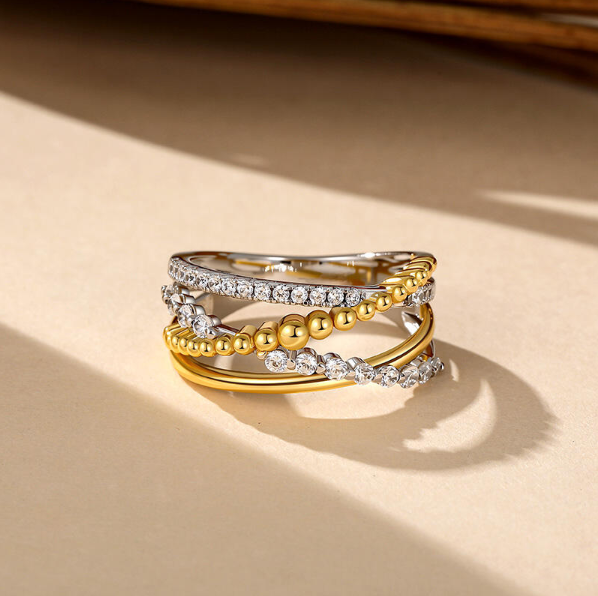
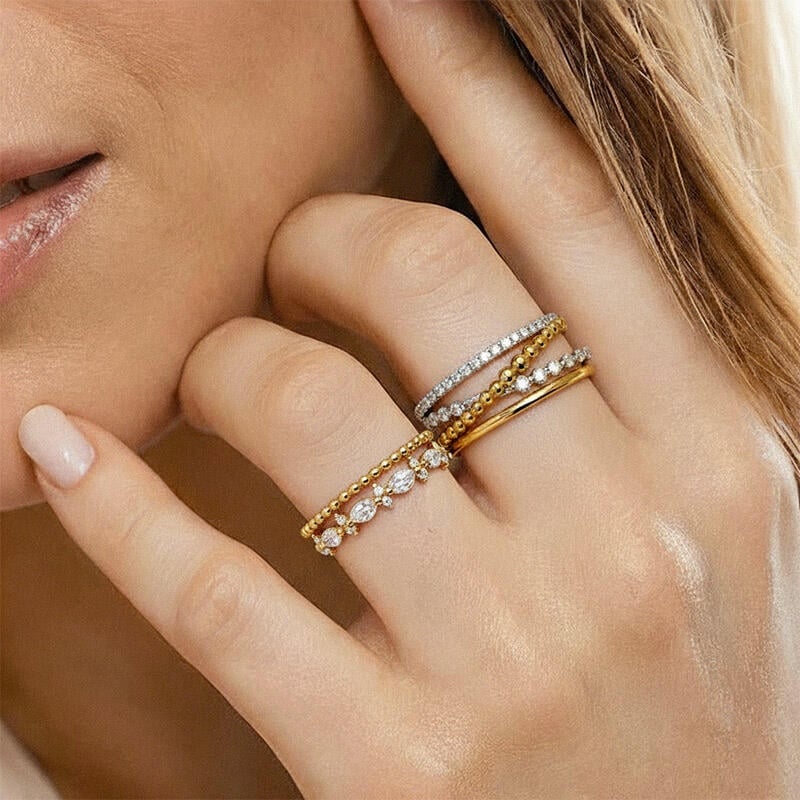
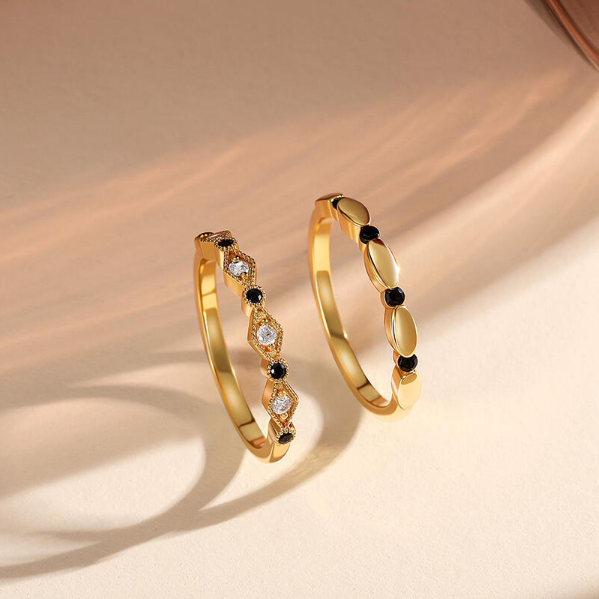
For rings: Start with a base ring you never take off (a wedding band, perhaps), then add thinner rings above and below. Mix metals if you like, but stick to two at most. Textures—polished next to matte—add depth without visual clutter.
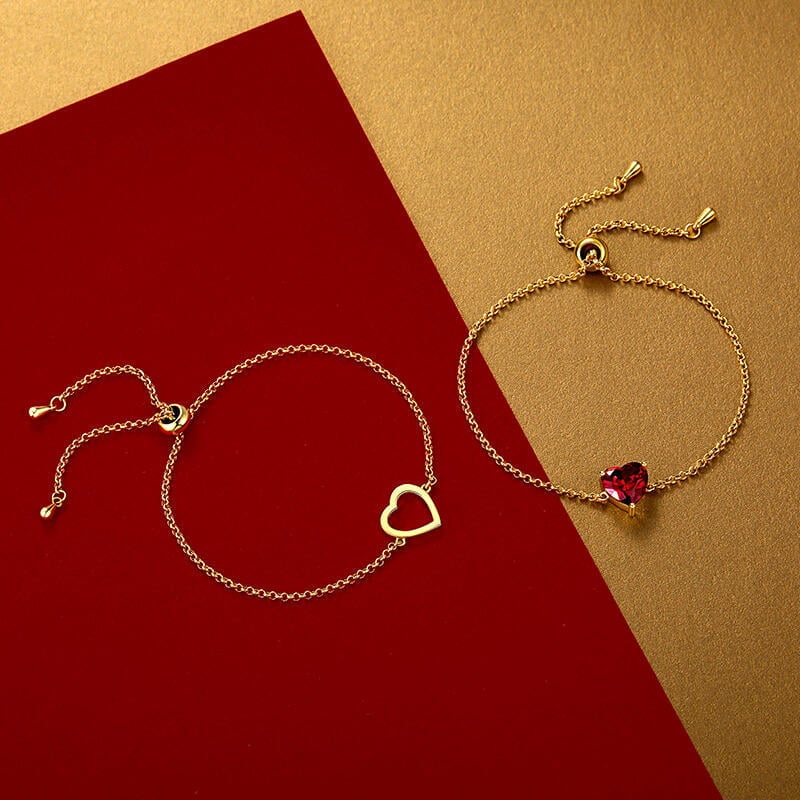
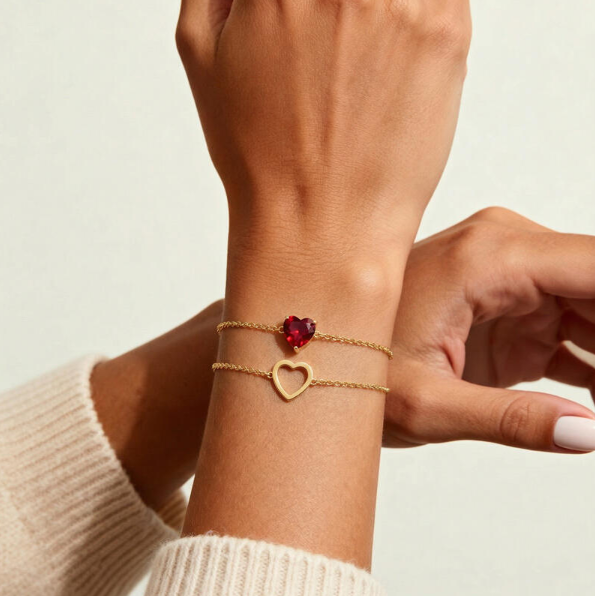
For bracelets: A thin bangle paired with a delicate chain bracelet creates gentle movement. Add a watch for balance.
The golden rule of layering: Each piece should be able to stand alone. When they come together, they complement—not compete.
How to Choose The Material for Minimalist Jewelry
With minimalist jewelry, the design is simple. That means the material quality becomes everything. Here’s what you need to know.
| Material | Characteristics | Best For |
|---|---|---|
| 14K/18K Gold | Hypoallergenic, holds value, lasts forever | Everyday pieces you’ll never take off |
| Platinum | Rare, dense, naturally white, extremely durable | Investment pieces, wedding bands |
| Sterling Silver | Affordable, bright white, requires occasional polishing | Budget-friendly options, occasional wear |
| Stainless Steel | Durable, hypoallergenic, inexpensive | Active lifestyles, travel, gym wear |
| Gold-Filled/Vermeil | Thick gold layer over base metal, better than plating | Entry-level fine jewelry |
A note on craftsmanship: With minimalist jewelry, there’s nowhere to hide. A simple band reveals every scratch, every uneven edge. Look for smooth finishes, secure clasps, and comfortable weight. If a piece doesn’t feel right in your hand, it won’t feel right on your body.
How to Style Minimalist Jewelry for Every Occasion
One of the greatest gifts of minimalist jewelry is its adaptability. Here’s how to style your pieces for different moments.
Daily Wear (Work/Errands)
Keep it simple: one fine chain necklace, small stud earrings, and a thin ring or band. This is your baseline—comfortable enough to forget, elegant enough to notice.
Date Night
Add a second necklace for gentle layering. Swap studs for thin hoops. Let one piece—perhaps a bracelet—catch the candlelight.
Weddings/Formal Events
Choose one focal point. A slightly more substantial necklace worn alone. A single statement ring. Let that piece have its moment, and keep everything else quiet.
Travel
Pack two or three versatile pieces that mix and match. A chain necklace, small hoops, and a thin bracelet can create multiple looks throughout your trip. Leave the irreplaceable heirlooms at home.
Gym/Active Days
Consider silicone rings or simple stainless steel pieces. They’ll survive the workout and still look clean afterward.

Conclusion
Minimalist jewelry isn’t a trend—it’s a return to what matters.
In a world that’s constantly shouting, these pieces whisper. They offer not a statement, but a presence. Quiet. Calm. Confident. They don’t compete with you; they complete you. This is the art of understatement. Proof that less is always more.
More Jeulia Post: