
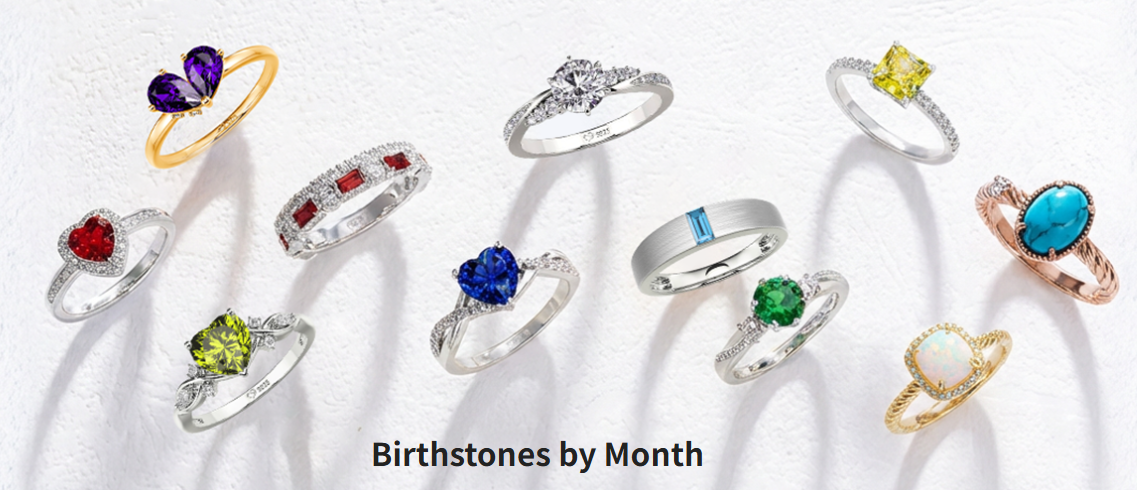
Birthstone engagement rings add a deeply personal and meaningful touch to any proposal, making them an increasingly popular and heartfelt alternative to the traditional diamond rings. Whether you choose a stone that represents the bride’s birth month, the month you first met, or the date of your upcoming wedding, a birthstone brings an emotional layer that a classic diamond simply can’t replicate.
However, choosing a colored gemstone does require a bit of homework. Here is everything you need to know to select the perfect birthstone for your forever ring.
Navigate to:
Prioritize Durability (The Mohs Scale)
Unlike a necklace or earrings, an engagement ring is subjected to daily wear and tear. It hits tabletops, catches on clothing, and is exposed to soaps and lotions. That’s why the Mohs Hardness Scale is so important. This scale ranks minerals based on their ability to scratch one another, ranging from 1 (softest, like talc) to 10 (hardest, like diamond).
Before you fall in love with a stone, check its rating on the Mohs Scale:
- The Gold Standard: Diamonds rank at 10.
- The “Safe” Zone: For daily wear, you’ll generally want a stone rated 7.5 or higher.
- The “Handle with Care” Zone: Stones like Opals (October), Pearls (June), and Emeralds (May) are softer or more brittle. If you choose these, be sure to opt for protective settings and wear them with extra caution.
Know the Monthly Birthstones and Their Meanings
Each month is associated with one or more specific stones and unique symbolic meanings. Here’s a quick breakdown:
January – Garnet
Mohs Hardness: 6.5 – 7.5
Meaning: Symbolizes protection, energy, and a deep commitment to loved ones.
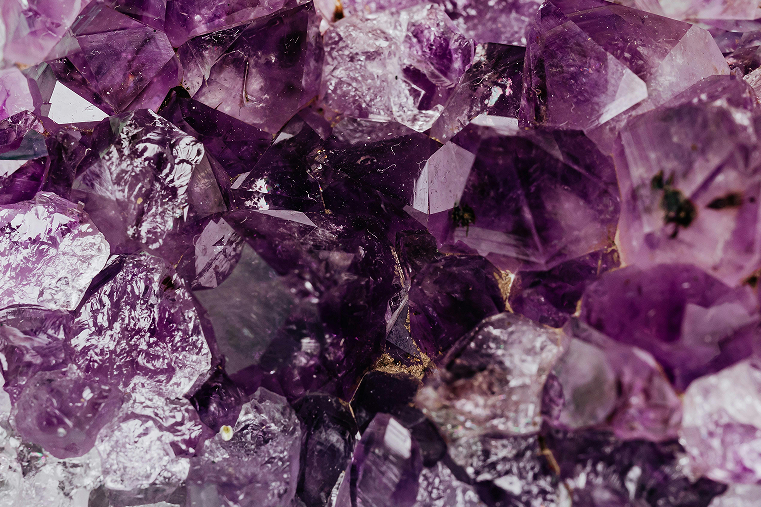
February – Amethyst
Mohs Hardness: 7
Meaning: Symbolizes peace, sobriety, and spiritual protection.
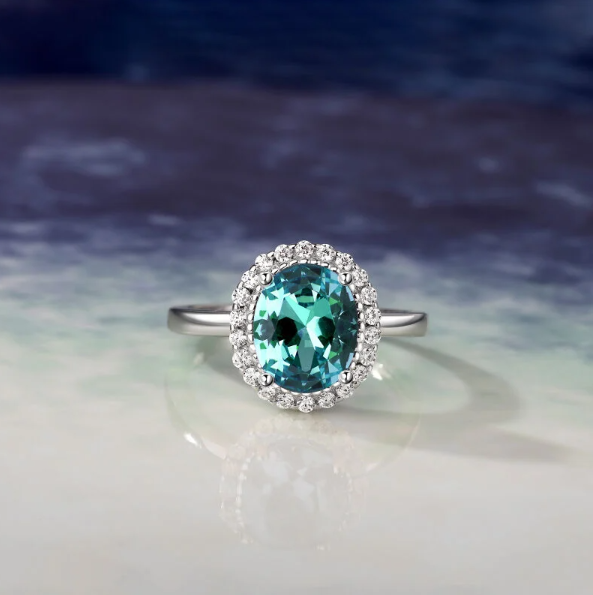
March – Aquamarine
Mohs Hardness: 7.5–8)
Meaning: Symbolizes youth, health, and hope.
April – Diamond
Mohs Hardness: 10
Meaning: Symbolizes everlasting love.
May – Emerald
Mohs Hardness: 7.5–8
Meaning: Symbolizes rebirth, fertility, and love.
June – Alexandrite / Pearl / Moonstone
Alexandrite
Mohs Hardness: 7.5–8
Meaning: Alexandrite symbolizes luck and fortune.

Pearl
Mohs Hardness: 2.5–4.5
Meaning: Symbolizes purity, loyalty, and health
Moonstone
Mohs Hardness: 6 – 6.5
Meaning: Symbolizes balance, good luck, and new beginnings.
July – Ruby
Mohs Hardness: 9
Meaning: Symbolizes passion, courage, and desire.
August – Peridot / Spinel
Peridot
Mohs Hardness: 6.5–8
Meaning: Symbolizes strength, peace, and healing.
Spinel
Mohs Hardness: 8
Meaning: Symbolizes vitality, renewal, and energy.
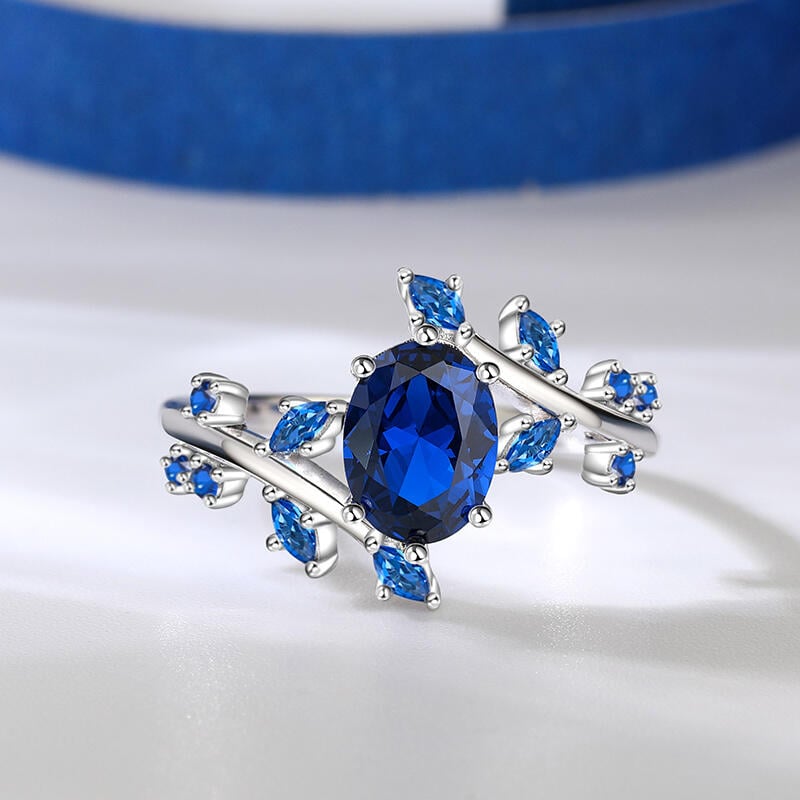
September – Sapphire / Lapis Lazuli
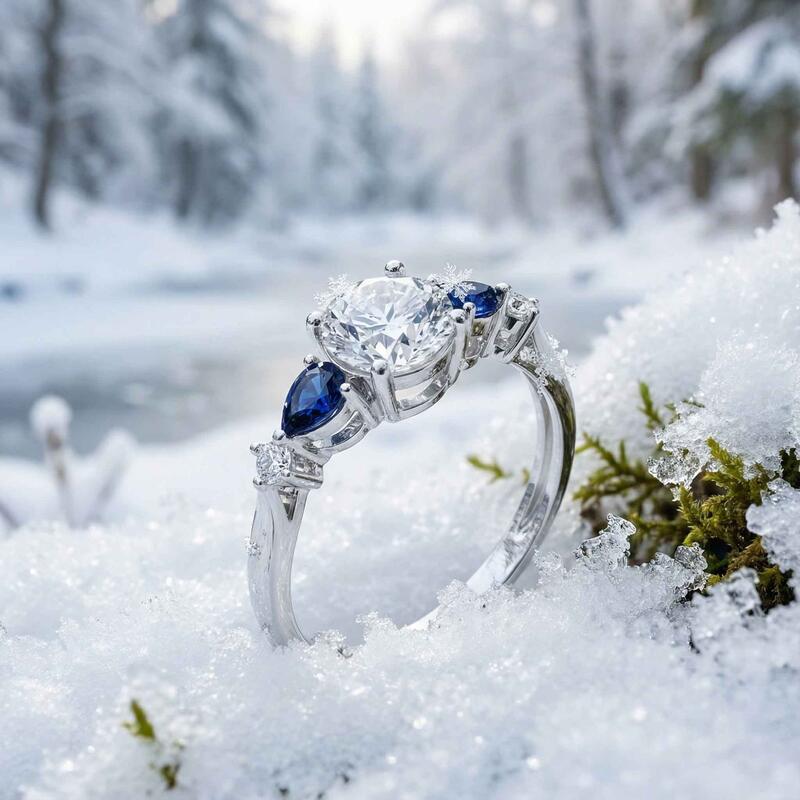
Sapphire
Mohs Hardness: 9
Meaning: Symbolizes loyalty, wisdom, and nobility.
Lapis Lazuli
Mohs Hardness: 5-6
Meaning: Symbolizes royalty, truth, and wisdom.
October: Opal / Tourmaline
Opal
Mohs Hardness: 5.5–6.5
Meaning: Symbolizes faithfulness and confidence.
Tourmaline
Mohs Hardness: 7–7.5
Meaning: Symbolizes love, friendship, and compassion.
November – Citrine / Topaz
Citrine
Mohs Hardness: 7
Meaning: Symbolizes happiness, success, and prosperity.
Topaz
Mohs Hardness: 8
Meaning: Symbolizes friendship, loyalty, and emotional healing.
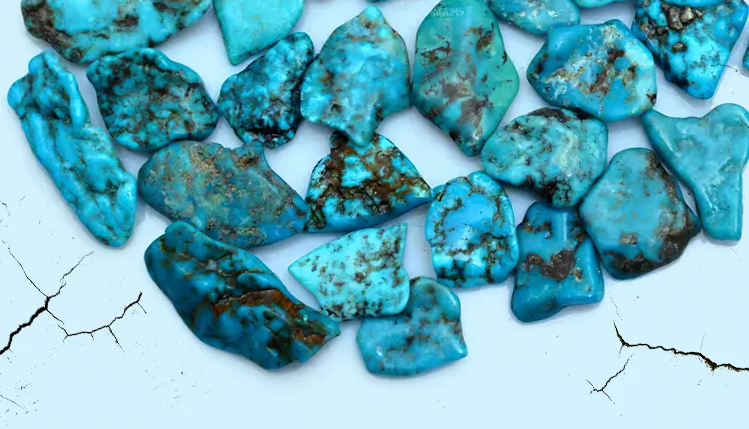
December – Turquoise / Zircon / Tanzanite
Turquoise
Mohs Hardness: 5–6
Meaning: Symbolizes a happy life and good fortune.
Zircon
Mohs Hardness: 6-7.5
Meaning: Symbolizes romance, wisdom, and honor.
Tanzanite
Mohs Hardness: 6-7
Meaning: Symbolizes transformation and spiritual insight.
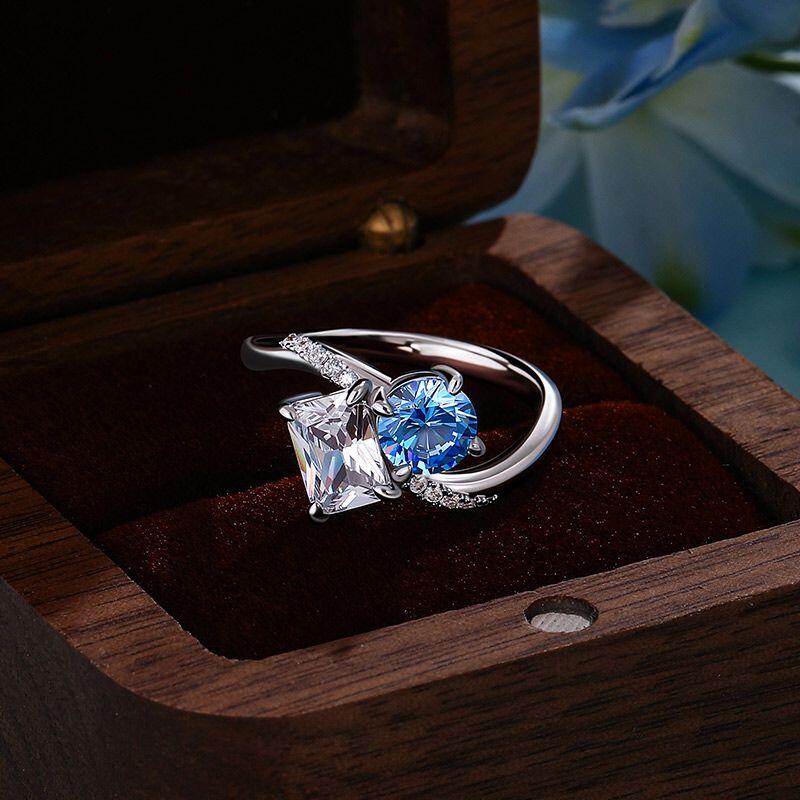
Consider the Alternative Colors
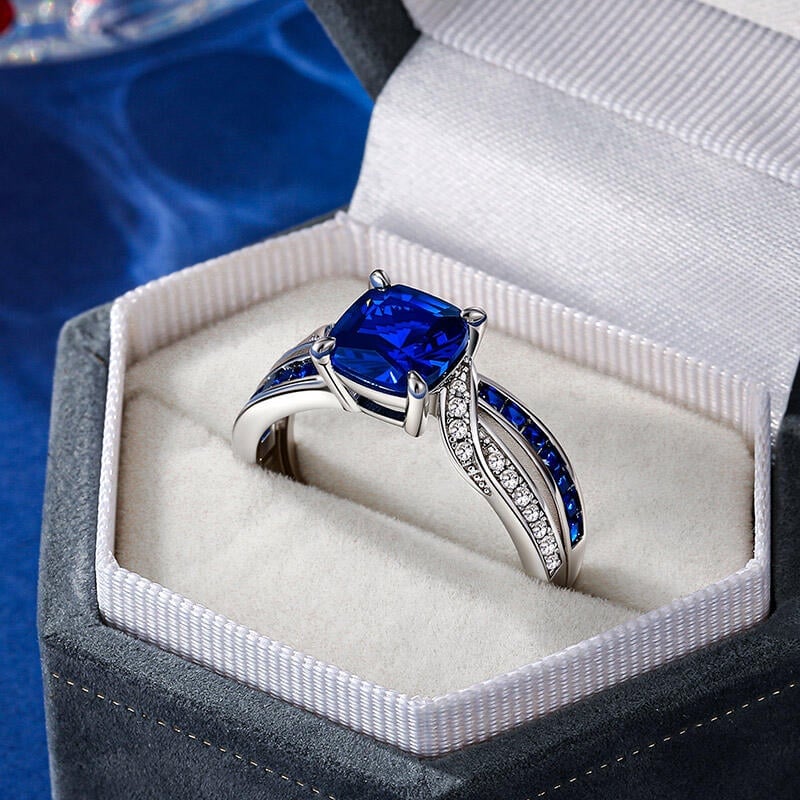
Do you know that not all Sapphires are blue? If your partner was born in September but hates the color blue, you aren’t stuck.
Many gemstones come in a spectrum of colors. Sapphires can be pink, yellow, teal, or even peach (the famous Padparadscha sapphire). Garnets aren’t limited to deep red; they also appear in vibrant oranges and rare green varieties such as Tsavorite.
Choose the Right Setting
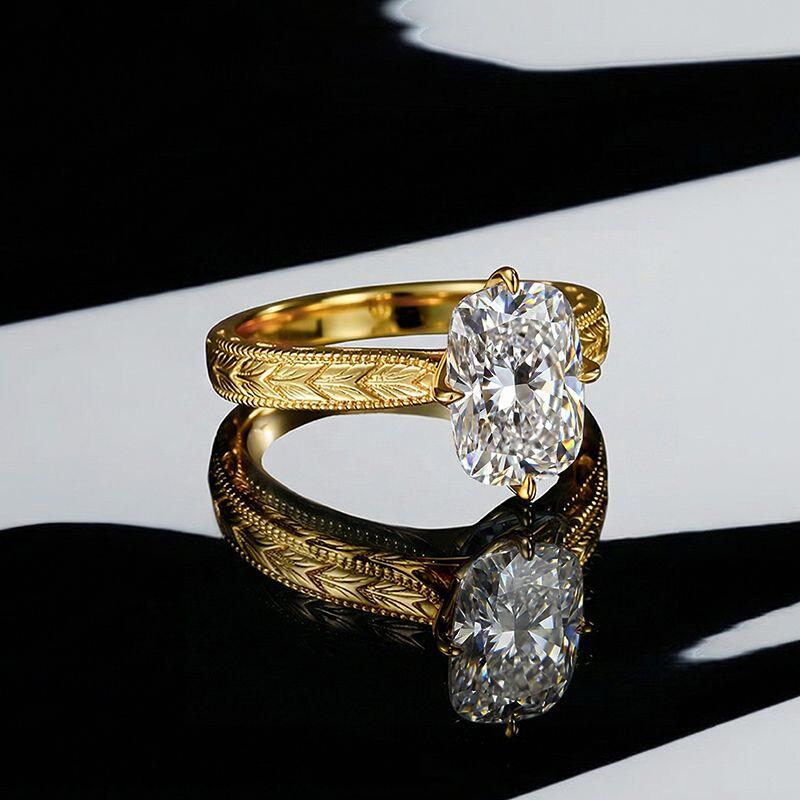
The setting is the armor for your gemstone.
- For Softer Stones (Emeralds, Opals, Tanzanite): Opt for a Bezel Setting. This surrounds the entire rim of the stone with metal, protecting the edges from chipping.
- For Harder Stones (Rubies, Sapphires): You can safely use Prong Settings, which allow more light to enter the stone and showcase its brilliance.
- The Halo Effect: If you want the best of both worlds, surround your birthstone with a halo of small diamonds. This protects the center stone while adding that classic engagement sparkle.
Think About Maintenance
Diamonds are famous for their fire, but they also hide dirt reasonably well. Some colored stones, like Aquamarine or Morganite, can look dull or “cloudy” if they get a little bit of lotion or oil behind them.
If you choose a lighter-colored birthstone, you may need to clean it more frequently (usually with warm soapy water and a soft toothbrush) to keep it glowing.
Budget and Ethics
One of the greatest perks of birthstone rings is the price. In many cases, you can get a significantly larger, high-quality birthstone ring for the price of a much smaller diamond ring.
Furthermore, many colored gemstones are easier to trace back to their source, making it simpler to ensure your ring is ethically sourced and conflict-free.
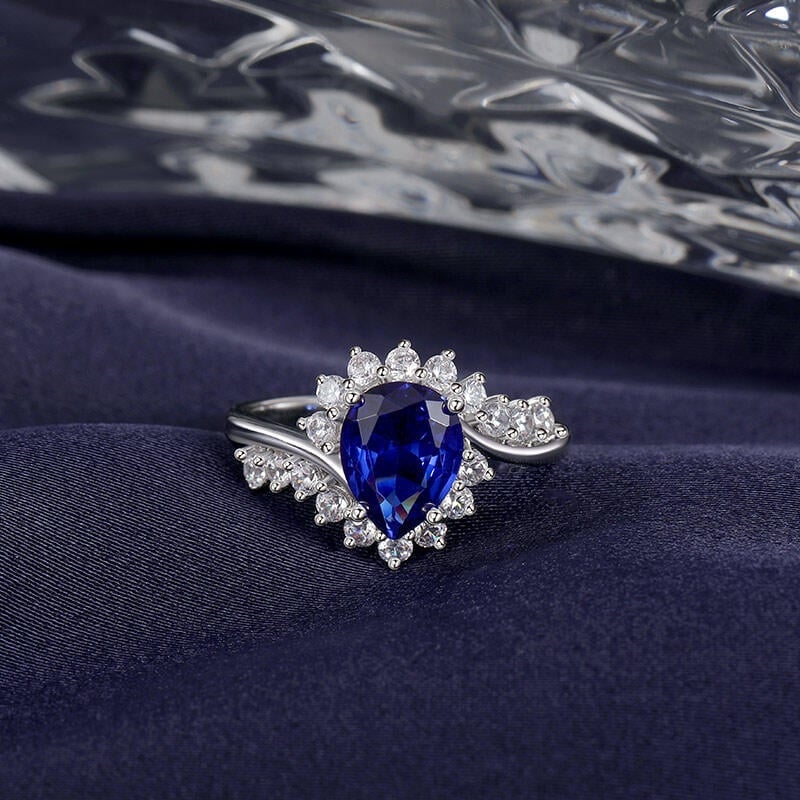
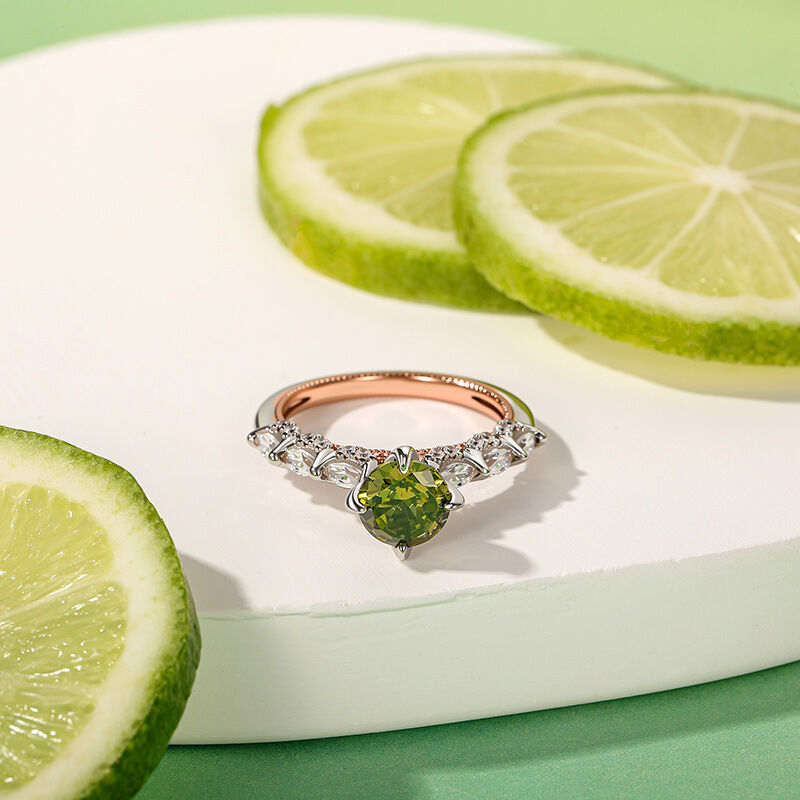
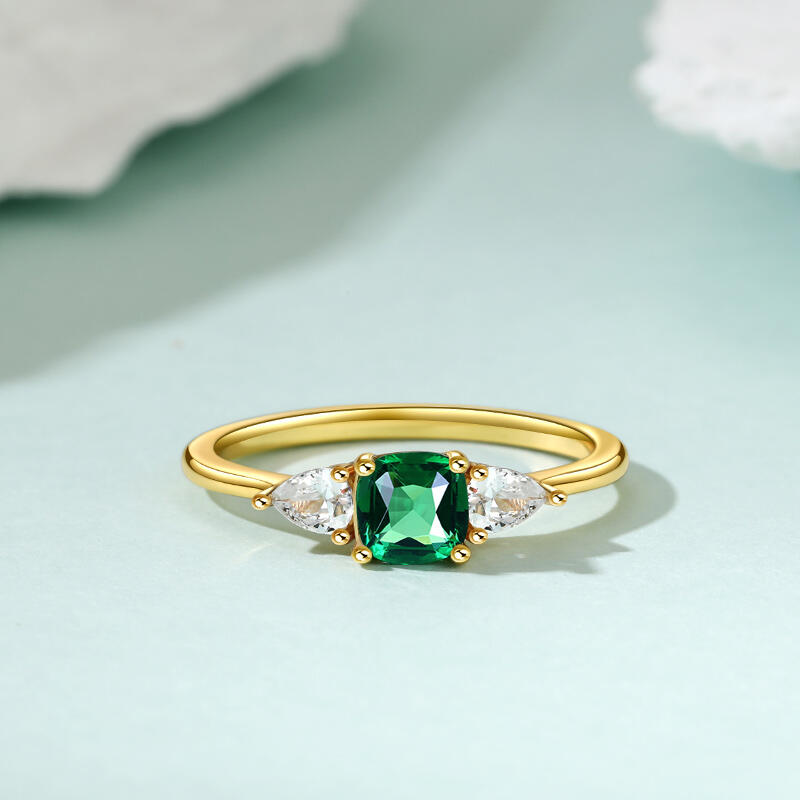
Find the Perfect Birthstone Engagement Ring at Jeulia
Choosing a birthstone for an engagement ring is a beautiful balance of durability, personal meaning, and budget—making it a deeply romantic and heartfelt choice. It reflects not just your partner’s style, but the unique story you share and the thought you’ve put into forever.
Whether it’s the deep crimson of a July Ruby or the celestial blue of a December Tanzanite, a birthstone ring isn’t just jewelry—it’s a legacy piece that tells a story for a lifetime.
Start creating your personalized birthstone ring with Jeulia today!