
Cluster rings offer a brilliant and versatile alternative for engagement rings and other fine jewelry. Unlike a classic solitaire, this design groups several smaller stones together to create a single, dazzling focal point. But is this unique style right for you? Let’s dive into everything you need to know.
Navigate to:
What Exactly is a Cluster Ring?
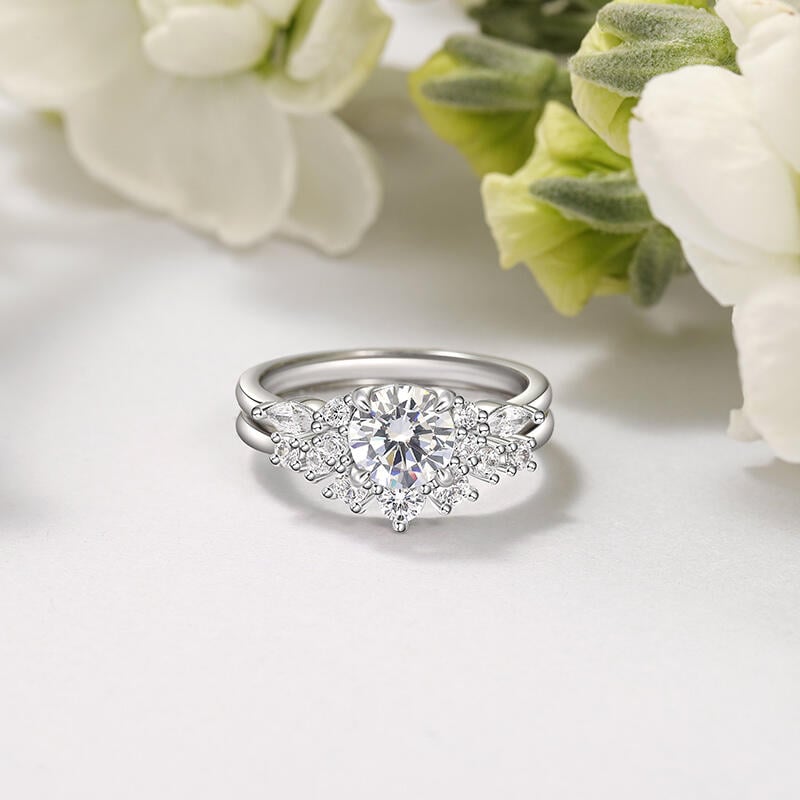
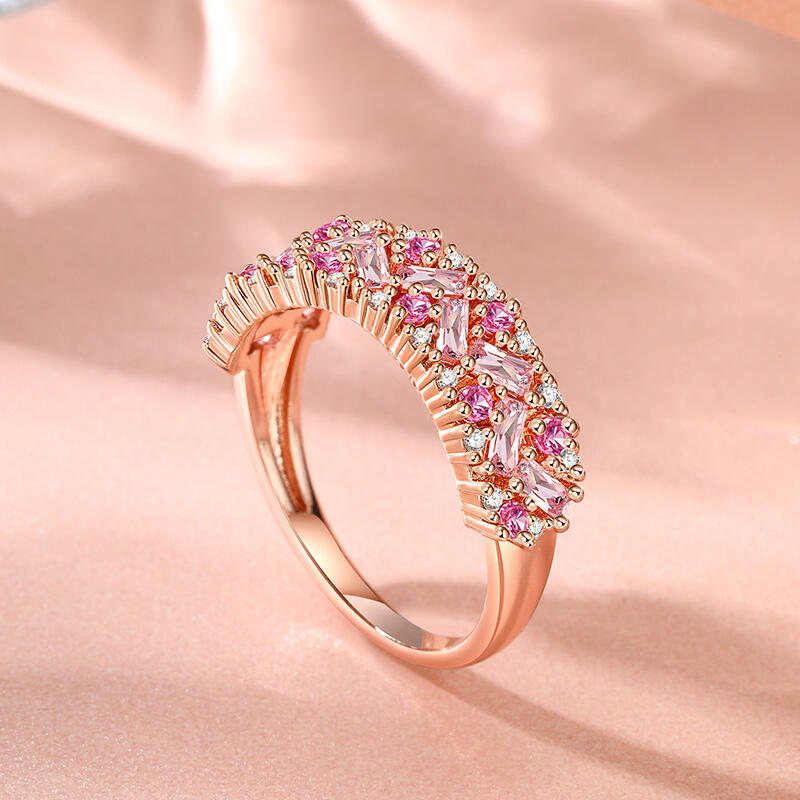
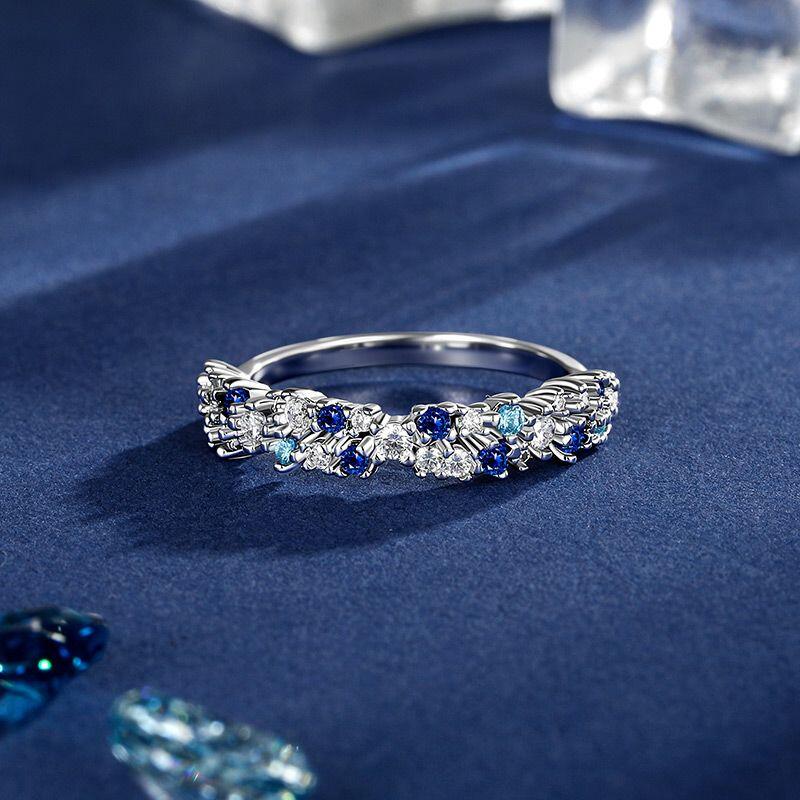
At its core, a cluster ring is a design where multiple smaller gemstones are grouped closely together to create the illusion of a larger, single stone. Instead of one prominent diamond, you’ll find a captivating arrangement of several, often of similar size and shape, meticulously set side-by-side to maximize sparkle and visual impact. This “clustering” effect can range from a tight, symmetrical formation to a more scattered, organic pattern.
Key Characteristics to Look For:
- Multiple Gemstones: The defining feature is the presence of several stones.
- Close Proximity: The stones are set very near each other, minimizing visible metal between them.
- Illusion of Size: The primary goal is to create a larger, more impressive sparkle than individual stones of the same carat weight would offer.
- Versatility: Cluster rings can be designed with a variety of gemstones, metals, and settings.
Common Cluster Ring Styles
The beauty of the cluster ring lies in its adaptability. Here are some popular styles you might encounter:
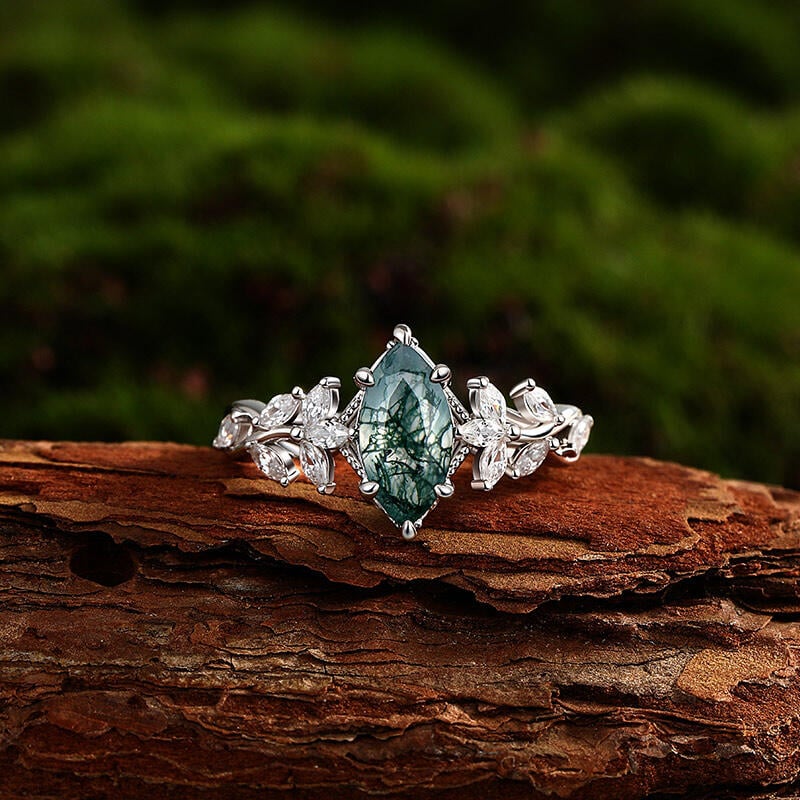
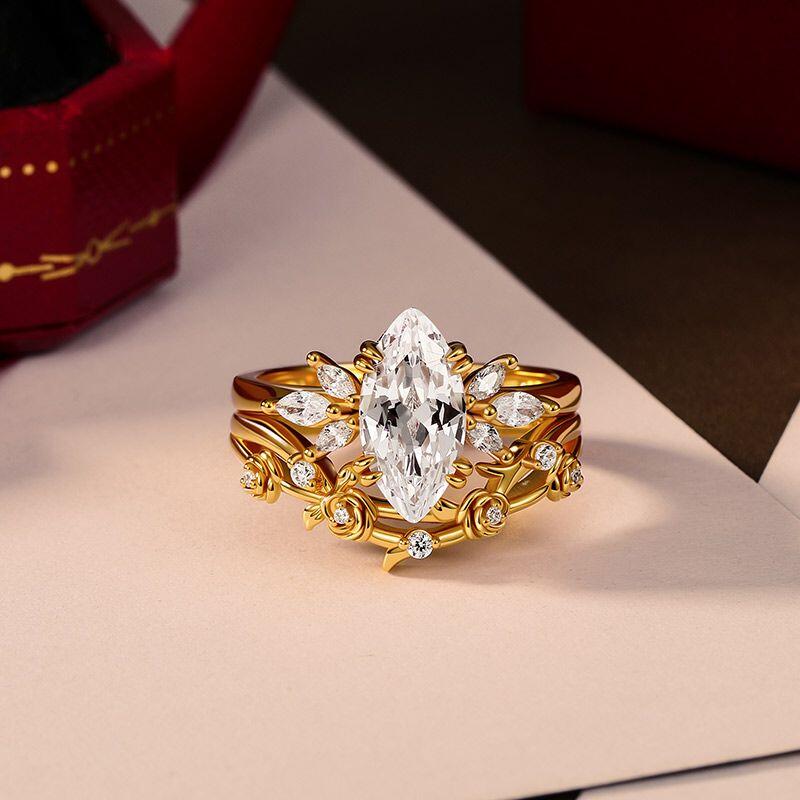
- Marquise Cluster Ring: Showcases the pointed elegance of marquise-cut stones, often arranged to create a floral or fan-like design.
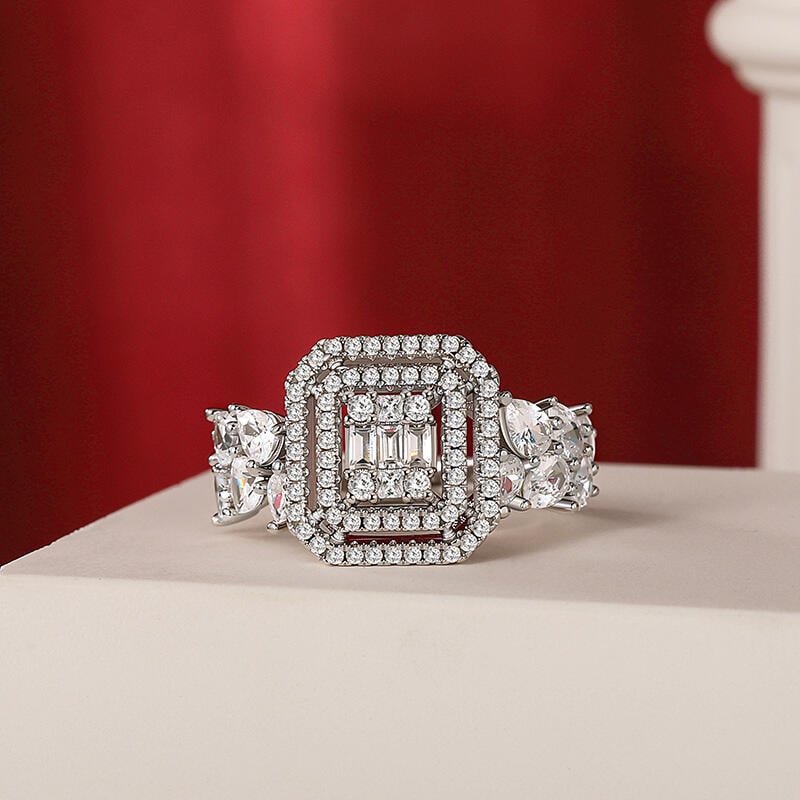
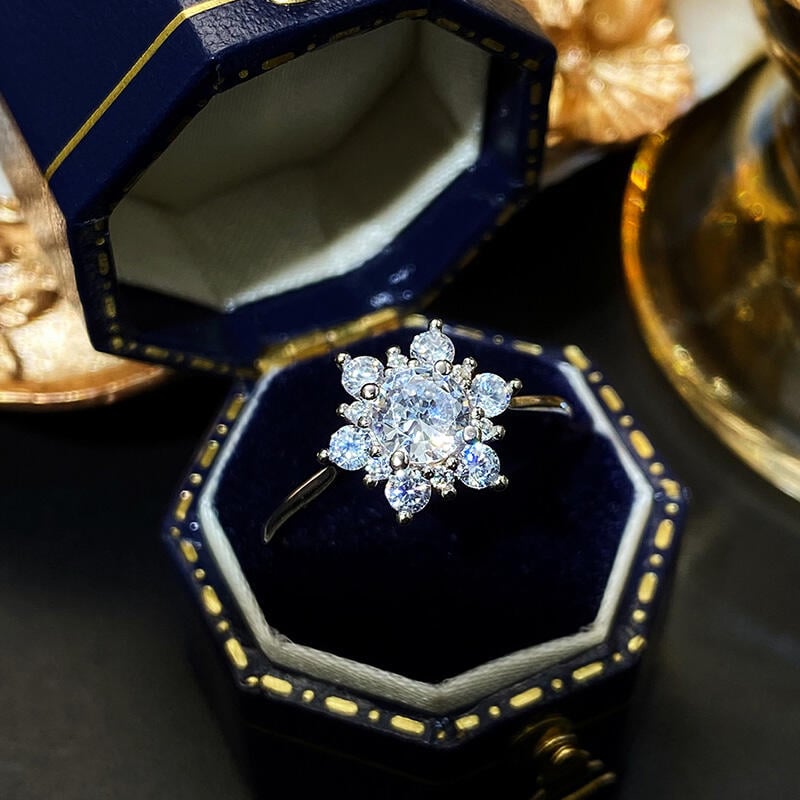
- Halo Cluster Ring: While a halo typically surrounds a single center stone, a cluster halo combines the two concepts, with a primary cluster of stones surrounded by an additional ring of smaller stones.
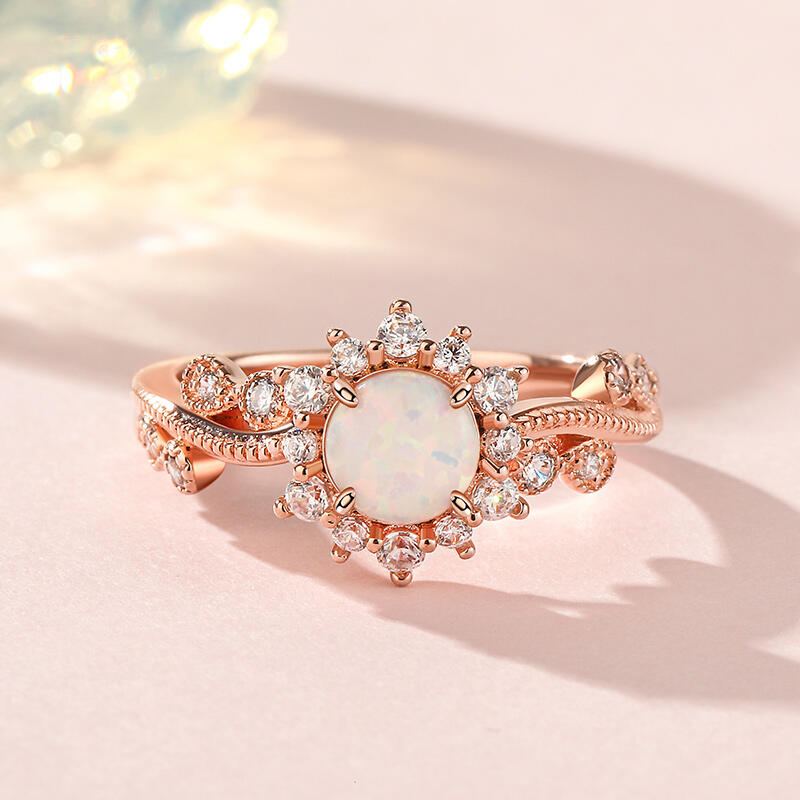
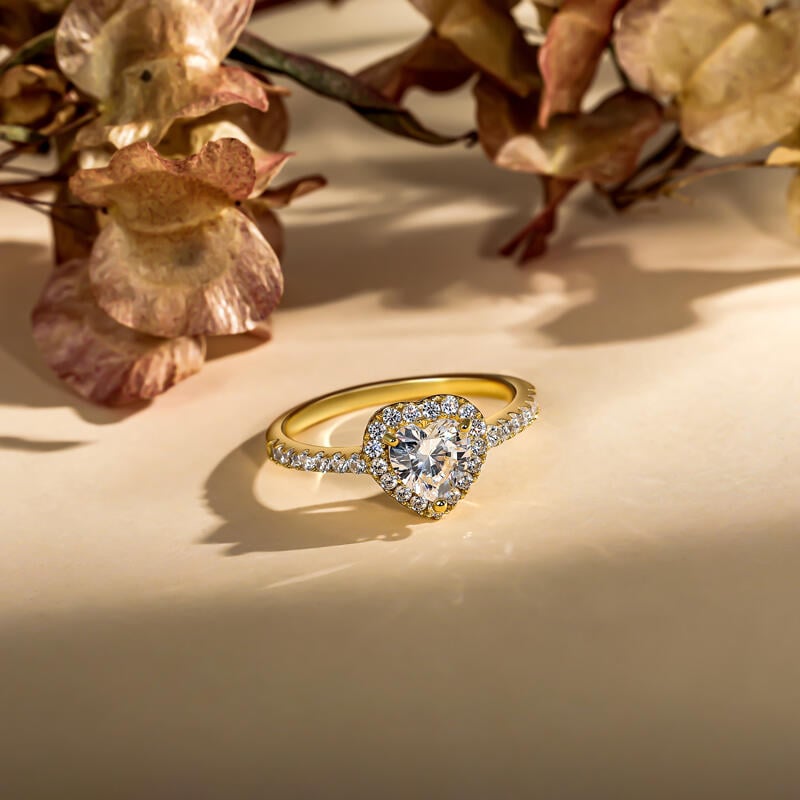
- Flower Cluster Ring: As the name suggests, these designs mimic the beauty of flowers, with gemstones forming petals and a central stone or smaller stones as the stamen.
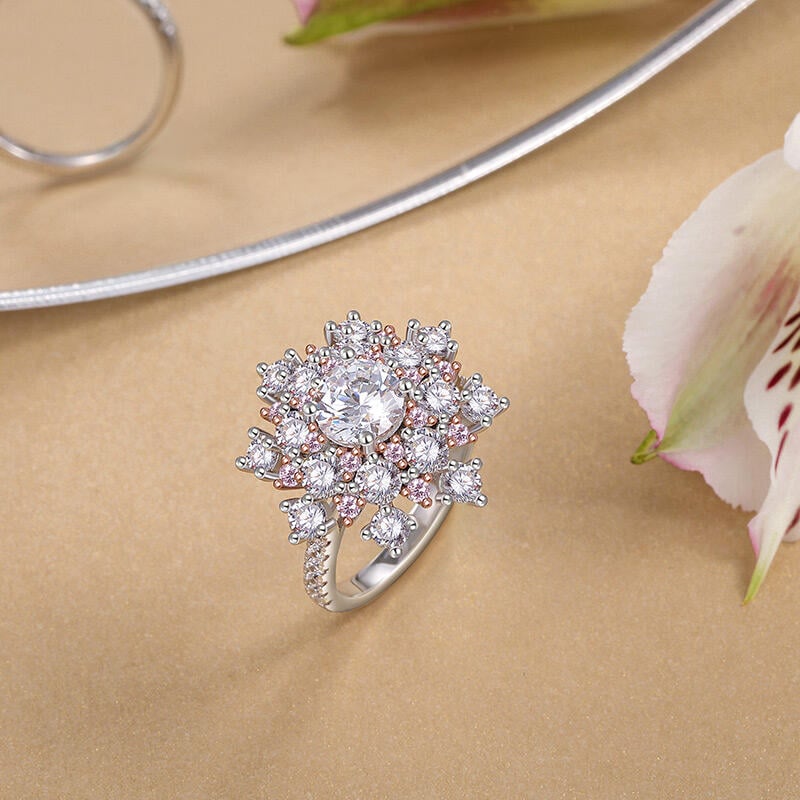
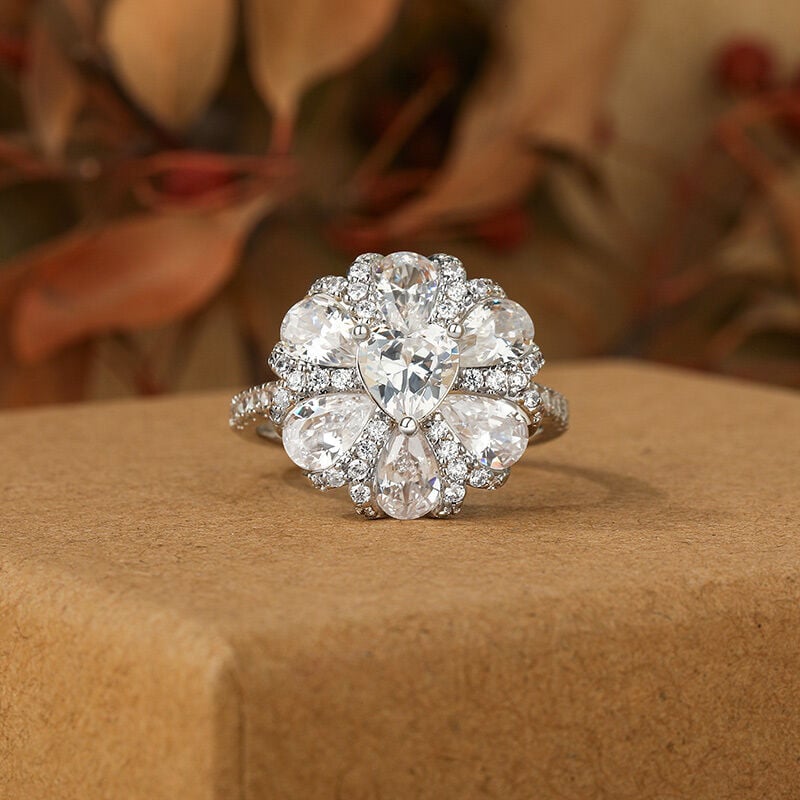
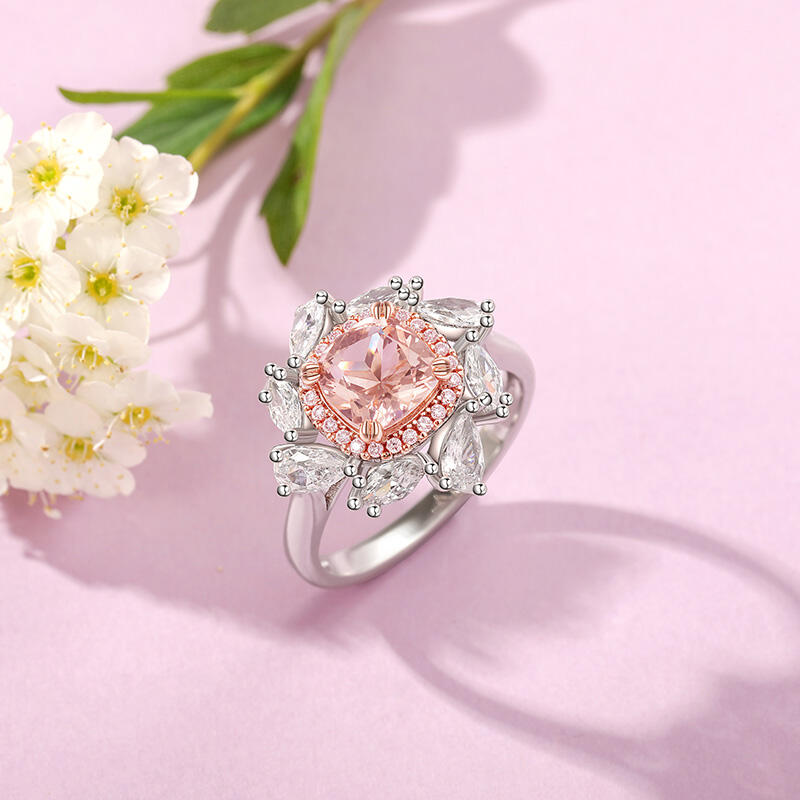
- Asymmetrical Cluster Ring: Embracing clean lines and precise arrangements, these clusters often feature square, rectangular, or triangular stones forming intricate patterns.
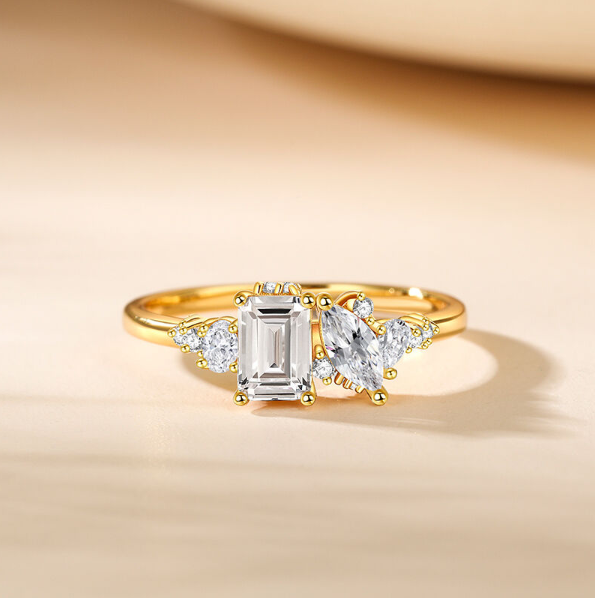
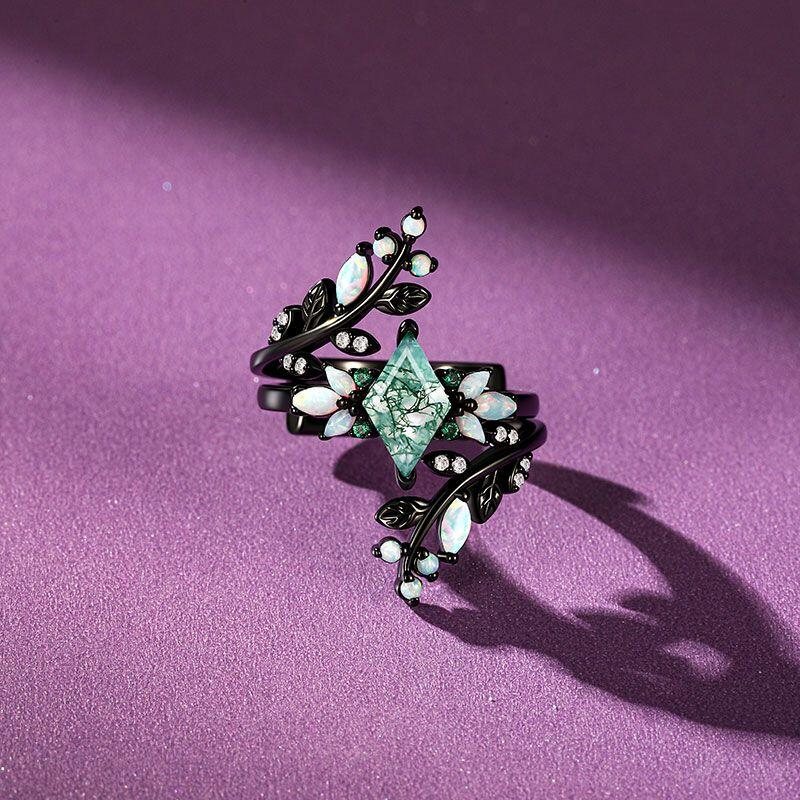
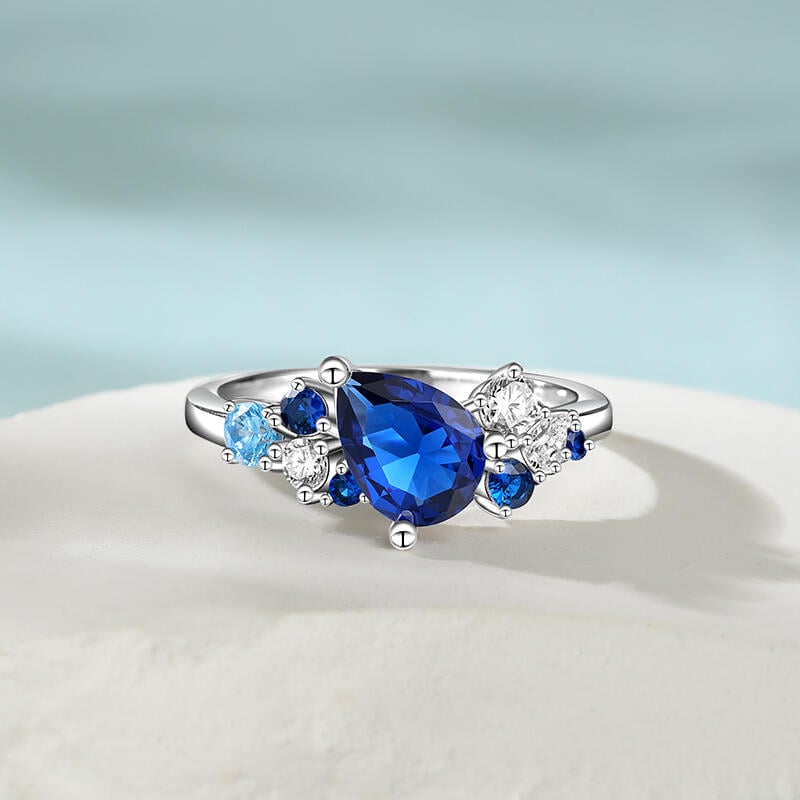
- Geometric Cluster Ring: Stones form clean, defined shapes such as ovals, squares, hexagons, or hearts. Features modern, architectural lines and a structured aesthetic.
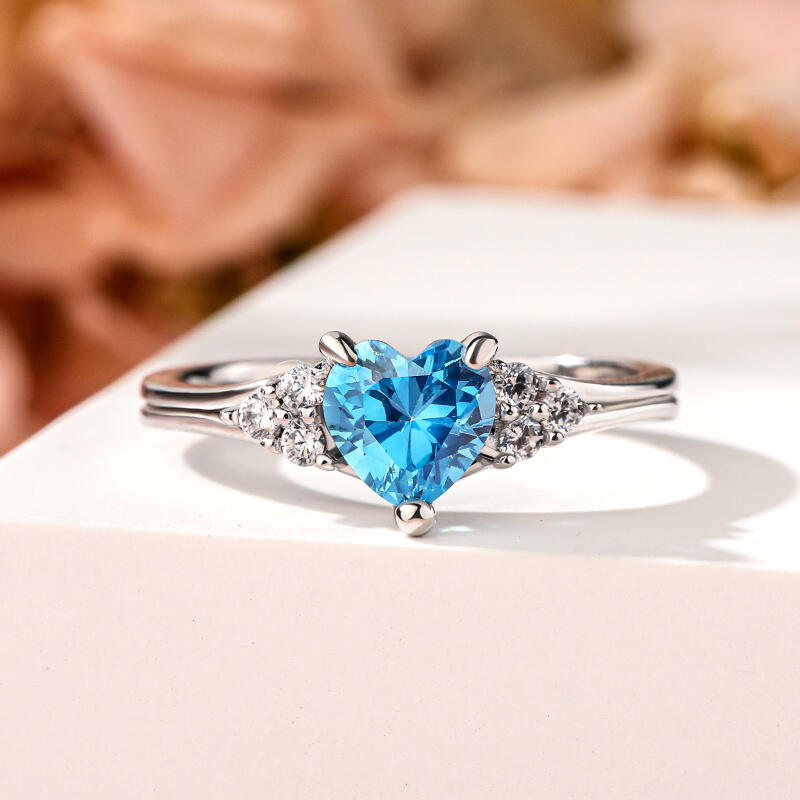
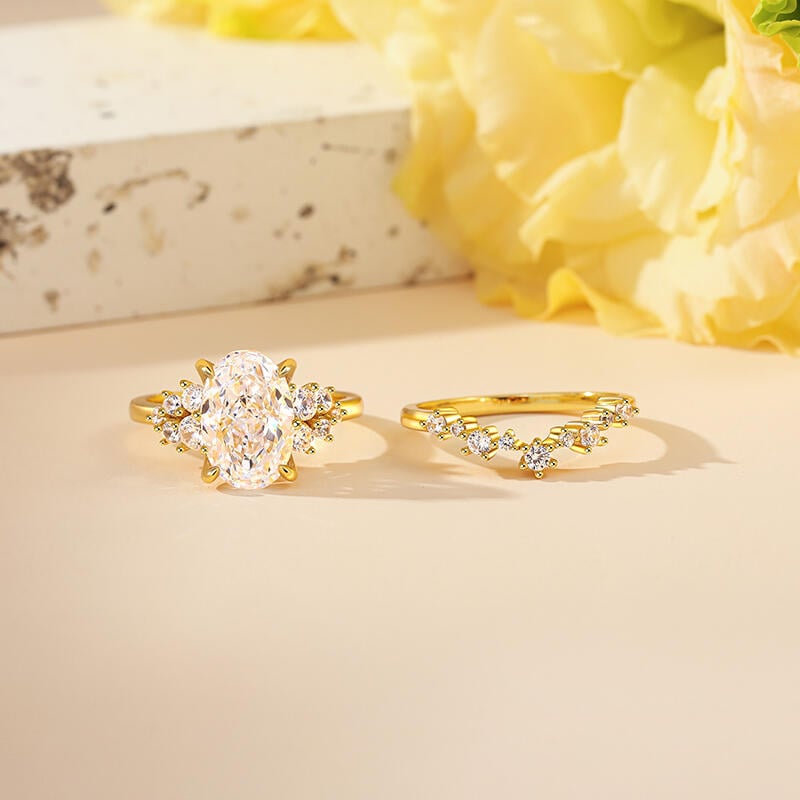
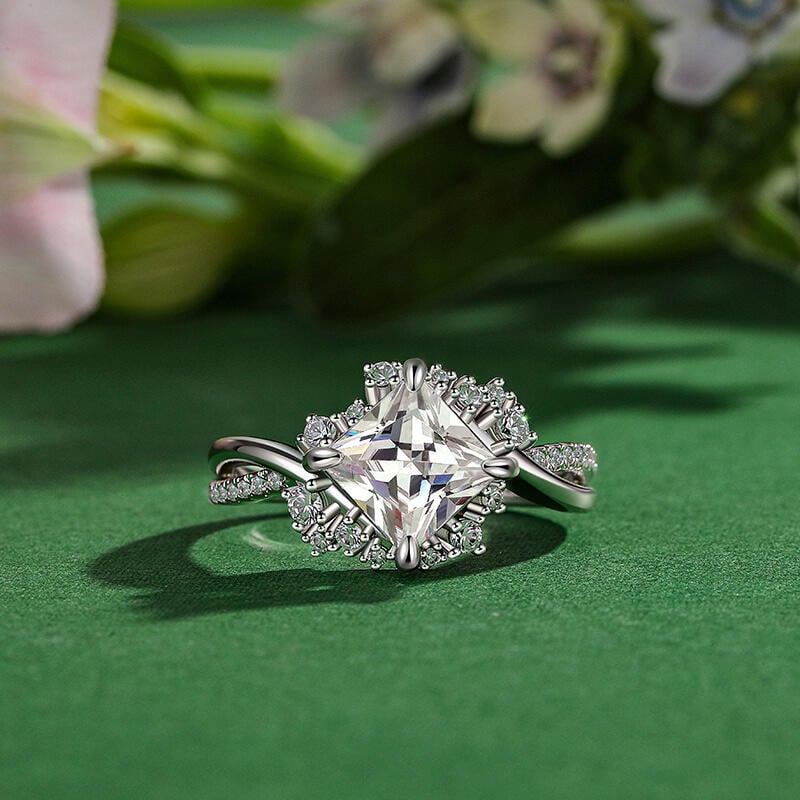
- Cluster Band Ring: Small cluster units repeat around the band, offering continuous sparkle. Ideal as a wedding band or a standalone statement ring.
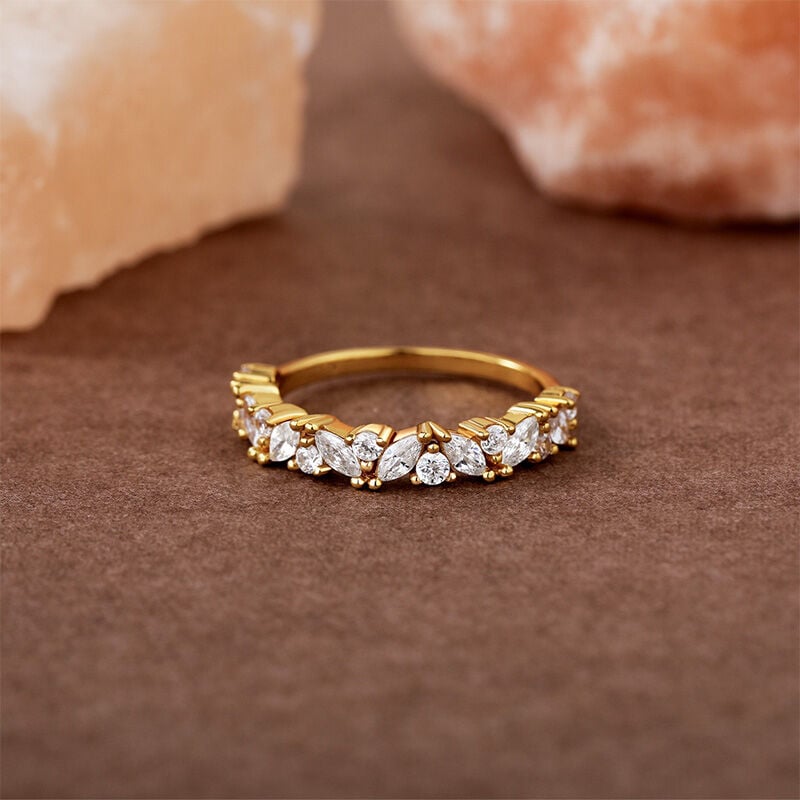
Pros and Cons of Cluster Rings
Like any jewelry style, cluster rings have their advantages and drawbacks. To help you make an informed decision, here’s a quick look at the key benefits and challenges of choosing a cluster engagement ring:
| Pros of Cluster Rings | Cons of Cluster Rings |
|---|---|
| Maximized Sparkle: Huge visual impact | Complex Cleaning: More nooks for dirt |
| Budget-Friendly: More bling for less | Higher Maintenance: More prongs to inspect |
| Unique Aesthetic: Vintage & custom designs | Risk of Stone Loss: Many small stones |
| Design Versatility: Endless possibilities for styles, arrangements, and gemstone combinations. | Lower Resale Value: Compared to solitaires |
Cluster Ring vs. Solitaire and Other Ring Styles
When choosing a ring, it’s helpful to compare different styles to see what suits your personal taste and different occasions. While a cluster ring offers a distinctive look, how does it compare to popular choices like the solitaire, halo, or three-stone designs? Here’s a breakdown of each style:
| Ring Type | Best For |
| Cluster Rings | Making a bold personal statement, everyday wear, Making a bold personal statement, everyday wear with character, and non-traditional celebrations. |
| Solitaire Rings | Classic engagements, formal settings, and those who love a clean, minimalist look. |
| Halo Rings | Maximizing sparkle, complementing both modern and retro aesthetics, and adding a touch of glamour. |
| Three Stone Rings | Meaningful milestones (like anniversaries), a narrative-driven design, and understated elegance. |
How to Choose the Right Cluster Ring for You
Finding your perfect cluster ring involves balancing personal style, practical needs, and overall value. Here are the key factors to guide your decision:
- Define Your Personal Style: Your ring should reflect your aesthetic. Are you drawn to vintage elegance, modern minimalism, or bold statement pieces? Your preference will guide choices in gemstone type, cut, and overall design.
- Select Gemstones and Metal: While diamonds are classic, consider unique and personal alternatives like birthstone sapphires, emeralds, rubies, or lab-created stones, which can also be more budget-friendly. For the metal—yellow gold, white gold, rose gold, or platinum—choose one that complements your skin tone and existing jewelry.
- Choose a Setting Style: The way the stones are set can significantly impact the ring’s appearance and durability. Prong settings offer classic brilliance, bezel settings provide modern security, and pavé settings deliver maximum sparkle. Each offers a distinct look and level of protection.
- Determine Your Budget: Cluster rings can range widely in price. Determine your budget beforehand and explore options within that range. Remember that the quality of the gemstones and the craftsmanship will influence the final cost.
- Consider Your Lifestyle: Consider your daily activities. If you lead a very active lifestyle, a lower-profile cluster ring with secure settings might be more suitable to minimize the risk of damage.
By considering these points, you’ll be well-equipped to find a cluster ring—whether as a wedding band or a personal keepsake—that not only fits your budget but also authentically captures your unique taste and seamlessly fits your life.
At Jeulia, we offer a variety of cluster ring styles for engagements and weddings. Whether you’re looking for a sparkling engagement ring or a delicate wedding band, there’s a design for you. Through our personalized service, you can even design your own one-of-a-kind piece by selecting your preferred metal and gemstones.
More Jeulia Post: