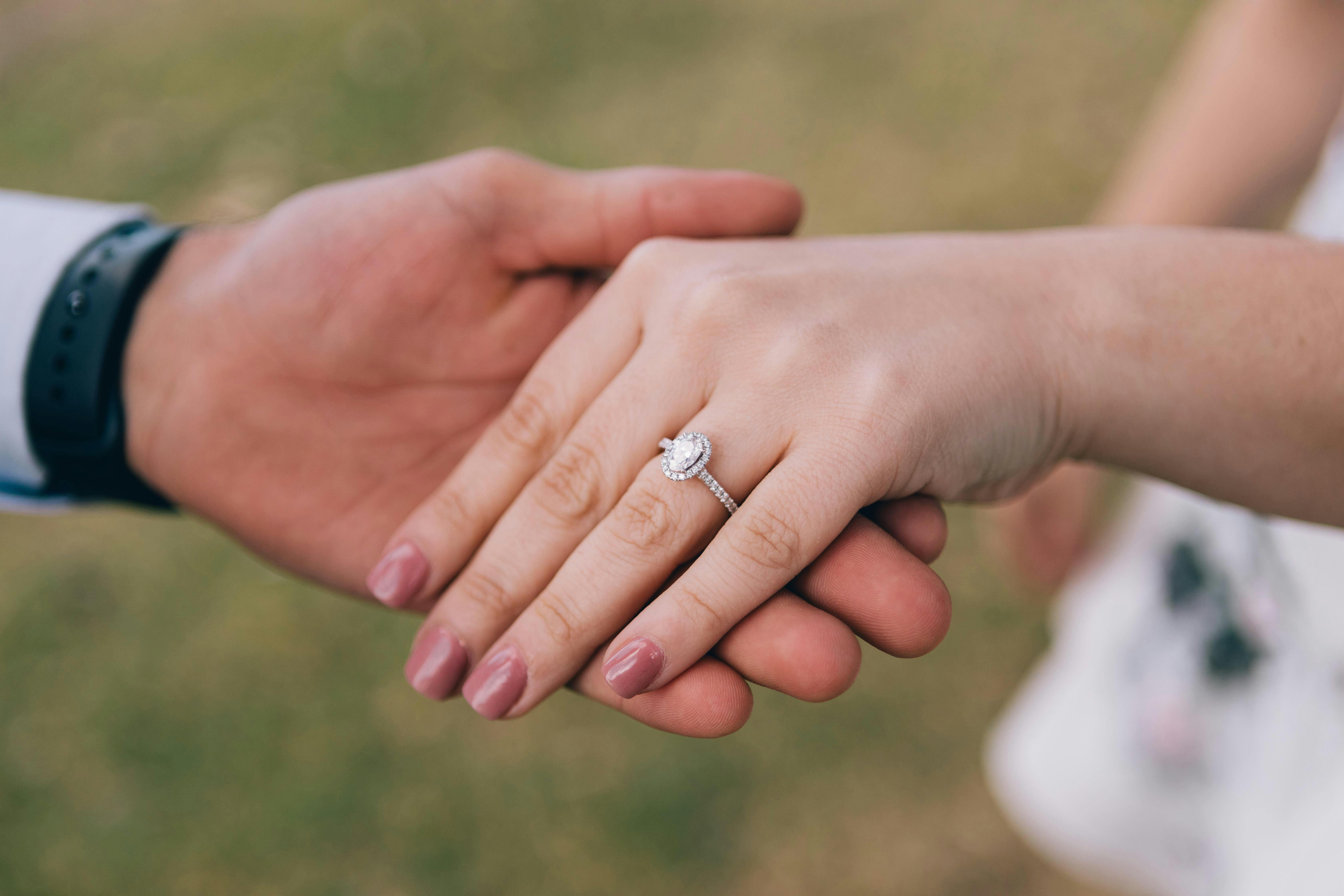
Congratulations—you’ve found your person! Now, as you choose the engagement ring that will symbolize your love, you’re likely facing a common yet stressful question: what is your engagement ring cost?
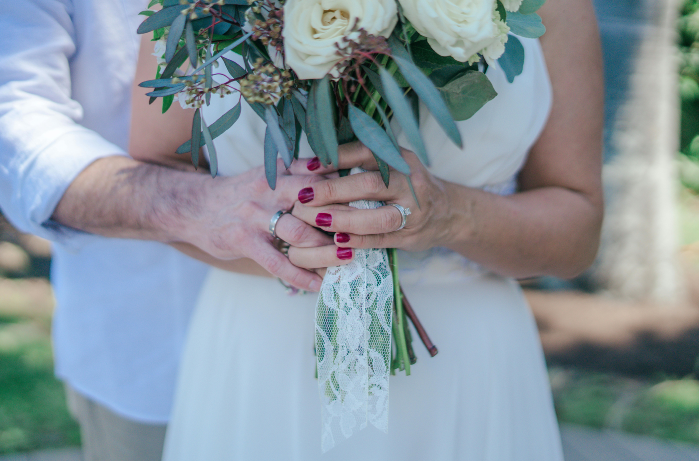
You may have heard of the famous “three-month salary rule”—the classic guideline suggesting that an engagement ring should cost one to three months of income, but today, more couples are moving beyond this tradition, focusing on finding a ring that reflects their style and fits comfortably within their budget.
Your engagement ring cost is a very personal decision. Let’s walk through how to set a realistic budget and find a ring that’s perfect for your story—and your wallet.
Navigate to:
How to Set Your Engaegment Ring Budget?
Instead of calculating your salary, approach your engagement ring cost as the first major financial decision you make as a couple. Here is a 3-step framework for setting a realistic, romantic, and responsible budget.
Financial Always Comes First
The single most romantic thing you can do for your partner is prioritize a stable future together. Before you allocate a dollar amount for the ring, ask yourselves:
- Do we have high-interest debt? Paying off credit cards or securing a down payment for a future home is often more valuable than an extra carat.
- What are our near-term goals? If you are saving for a wedding, a house, or graduate school, those immediate needs should dictate your luxury spending cap.
- What is the “Comfort Threshold?” Determine the maximum amount you can spend without dipping into emergency savings or feeling lingering financial stress. This number, not your salary, is your true budget cap.
Focus on Value, Not Just Price
The engagement ring cost is determined by more than just the diamond size; it’s a combination of the Four Cs (Carat, Cut, Color, Clarity), the metal, and the setting.
You need to decide which factors are non-negotiable for your partner ( While the surprise element is fun, open communication about finances is the foundation of a strong marriage), as this will heavily dictate the final price tag:
| If Your Partner Values… | You Should Prioritize… | Where You Can Save Money… |
|---|---|---|
| Size/Appearance | Carat Weight & Cut. A well-cut diamond looks larger than a poorly cut one, even if the carat weight is the same. | Adjusting the Clarity (eye-clean SI1 or VS2 grades are much cheaper than flawless) and the Color (moving from D/E/F grades to G/H/I). |
| Quality/Sparkle | Cut and Clarity. The cut is what defines the diamond’s brilliance, regardless of size. | Going for a slightly smaller Carat weight, or choosing a less expensive metal like white gold instead of platinum. |
| Uniqueness/Durability | Metal Type (Platinum or solid Gold) and a non-traditional setting (Bezel or Tension). | Exploring alternative gemstones (sapphires, rubies) or Lab-Grown Diamonds (see Step 3). |
Related Post:
Consider Maintenance
A ring is not a one-time purchase. Remember to factor in the long-term costs of ownership:
- Insurance: Budget for 1-2% of the ring’s value annually for specialized jewelry insurance.
- Maintenance: Plan for biannual cleaning and setting checks ($50 – $150 per year).
How to Find Affordable Engagement Ring?
If you and your partner value sustainability and smart budgeting, explore options like lab-grown diamonds or moissanite. They offer exceptional value without compromising on quality.
Lab-Grown Diamonds (LGDs)
Chemically, visually, and structurally identical to mined diamonds, Lab-grown diamonds are real diamonds. The only difference is their origin: a controlled laboratory environment. Because they bypass the extensive mining and supply chain costs, an LGD of the same size and quality can typically cost 30% to 50% less than a mined diamond. They are often the best route for maximizing carat weight while minimizing cost. (Related Post: The Difference of Natural and Lab Diamond? )
Diamond Alternatives
If the diamond tradition isn’t a strict must-have, alternatives offer spectacular sparkle and color for significantly less money:
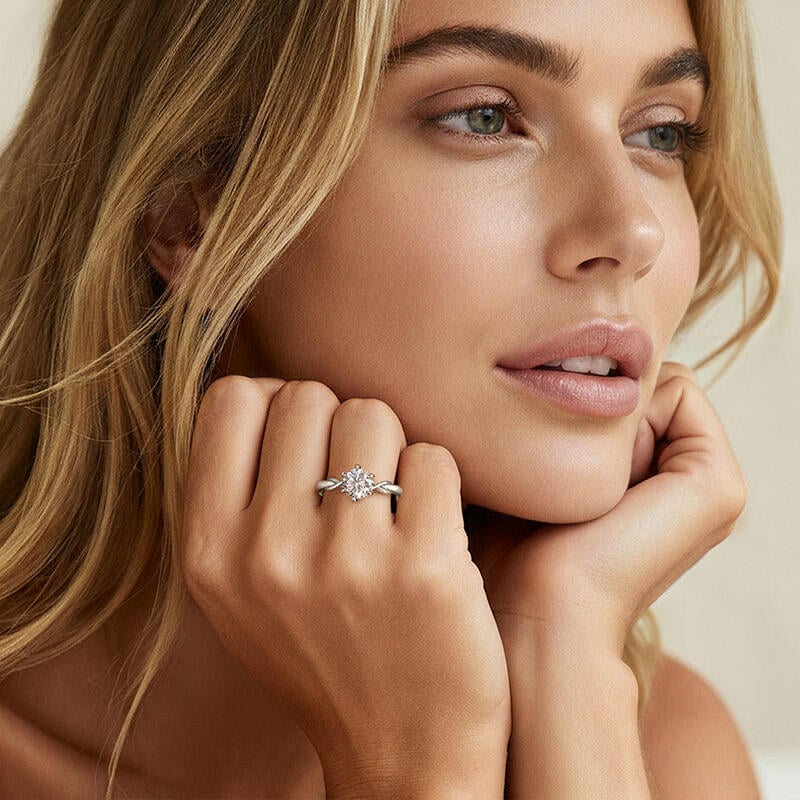
- Moissanite: This gemstone is celebrated for its exceptional fire and brilliance, often exceeding that of diamond. With a durability close to diamond and a price that’s only a fraction, it’s an ideal choice for maximum sparkle without comprosing on a budget. Its versatile appearance makes it a perfect fit for various settings, from classic solitaires and modern three-stone designs to intricate vintage-inspired halos.
- Other Alternative Gemstones: Beyond moissanite, a world of colorful and meaningful gemstones awaits:
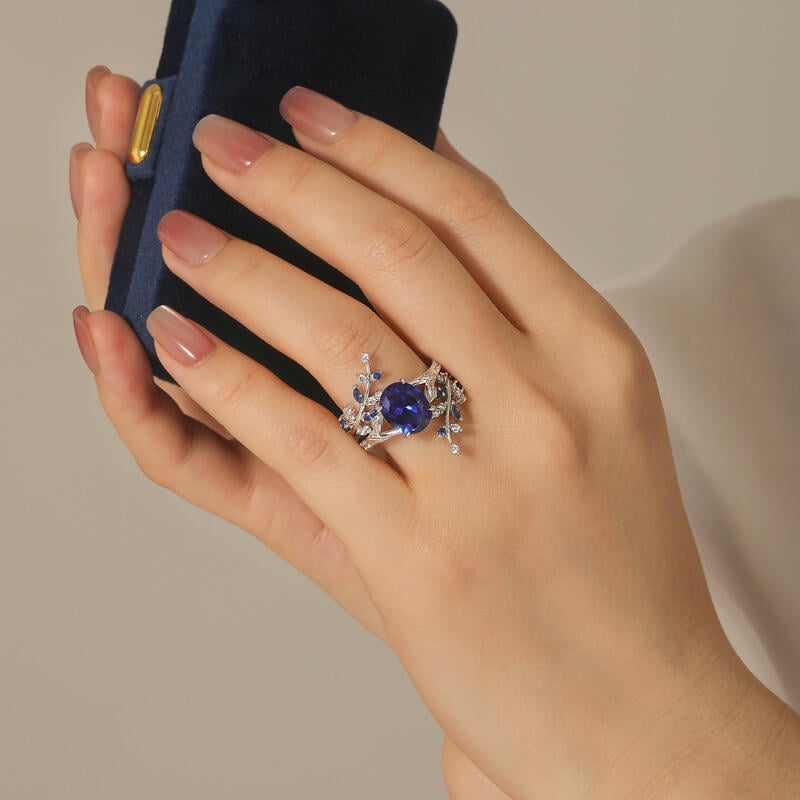
- Sapphire: Renowned for its rich blue hue and outstanding durability, sapphire is a timeless choice. It shines in vintage-inspired halo settings, elegant three-stone designs, and even as a striking black option in modern, geometric styles.
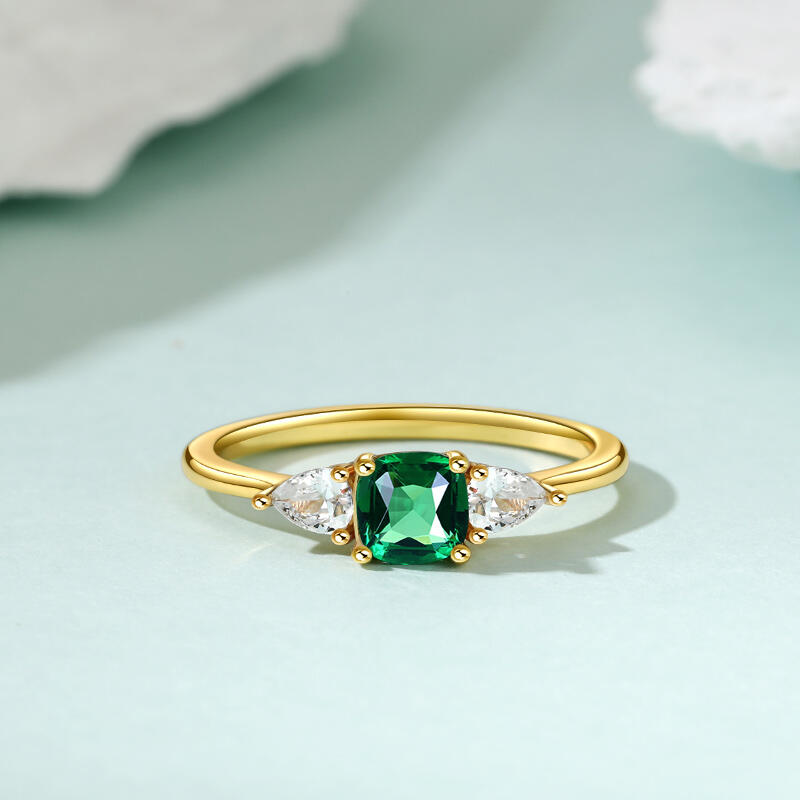
- Emerald: With its deep green allure, emerald brings a touch of classic glamour. It is perfectly suited for Art Deco and vintage-style rings, often complemented by halo or three-stone settings that enhance its vintage charm.
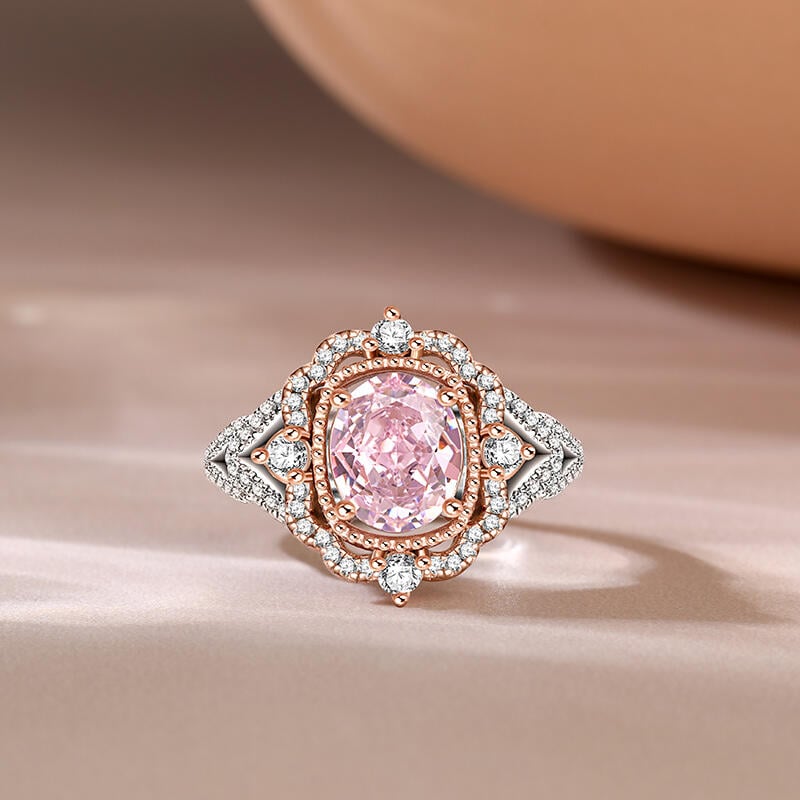
- Morganite: Known for its soft pink blush, morganite offers a romantic and feminine look. It pairs beautifully with rose gold or yellow gold bands and is a popular choice for vintage, Bohemian, and halo-style rings.
- Ruby: As a symbol of passion, a ruby makes a bold and vibrant statement. It works wonderfully as a solitaire centerpiece, in classic yellow gold settings, or surrounded by a halo for added brilliance.Sapphires, emeralds, and other beautiful gemstones can be stunning and budget-friendly alternatives, especially popular for vintage-style rings.
What Matters More Than the Price Tag
In the end, the engagement ring cost truly is the least interesting part of your story.
A five-carat ring that starts a relationship burdened by financial anxiety is far less valuable than a beautiful, modest ring purchased responsibly and with joy.
Ring symbolism is about intention, commitment, and consistency. It is the physical manifestation of a promise to build a life together. That promise is not defined by the Carat Weight or the Clarity grade.
Whether your budget is $500 or $50,000, the joy and commitment behind the proposal are what truly make the ring invaluable.
Jeulia Jewelry as a fashion engagement rings designer, which provides many kinds of lab-grown diamond engagement ring with different shape, such as heart engagement ring, teardrop engagement ring, round diamond ring, oval mossinate engagement ring and eternity rings for wedding. hurry up to choose your engagement ring with unique style to begin your love story!